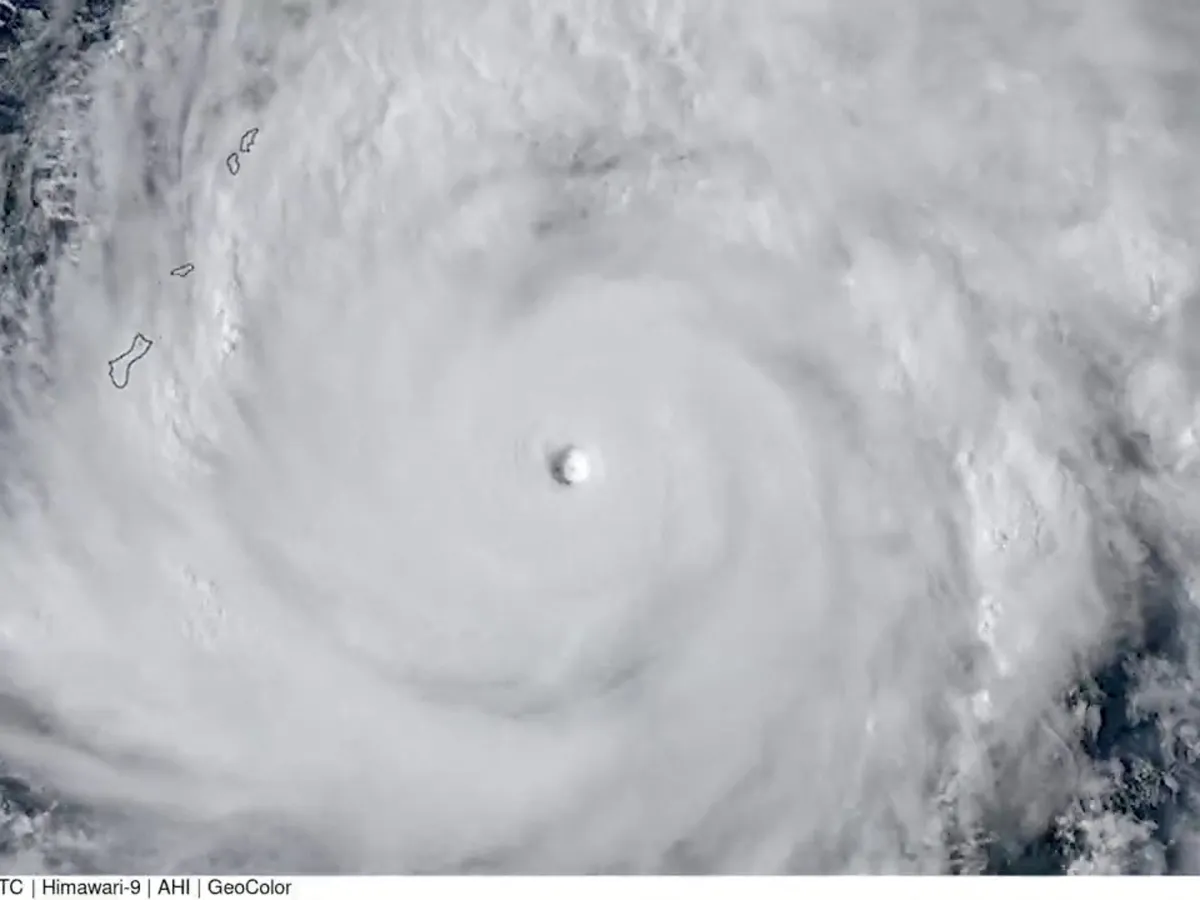
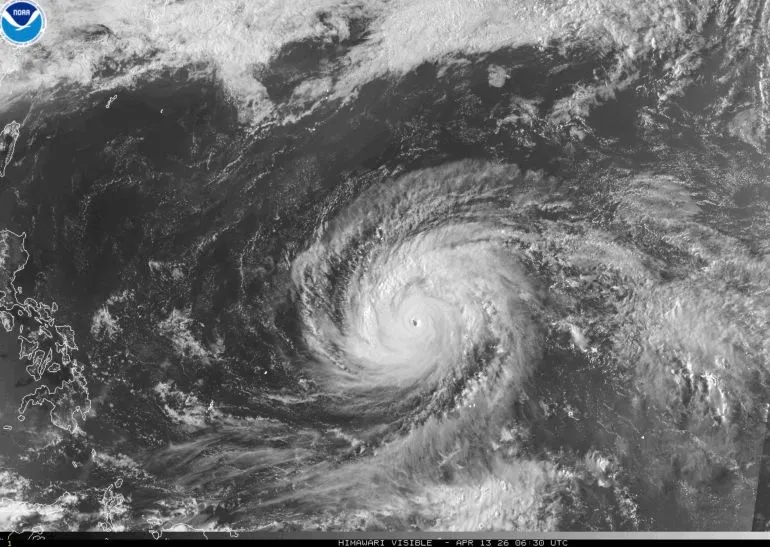
Super Typhoon Sinlaku is bearing down on Guam and the Northern Mariana Islands, bringing potentially dangerous winds, rain, and surf to the western Pacific territory, according to reporting by Al Jazeera.
The storm is moving slowly toward the island chain, a characteristic that forecasters warn can amplify the impact of a tropical system by prolonging exposure to destructive conditions even as the storm's overall intensity decreases.
Weakening but still dangerous
Sinlaku has shown signs of weakening as it approaches the region, though meteorological authorities caution that a reduction in classification does not eliminate the threat. Slow-moving typhoons can dump extraordinary amounts of rainfall over a concentrated area, raising the risk of flooding and landslides on the islands' terrain.
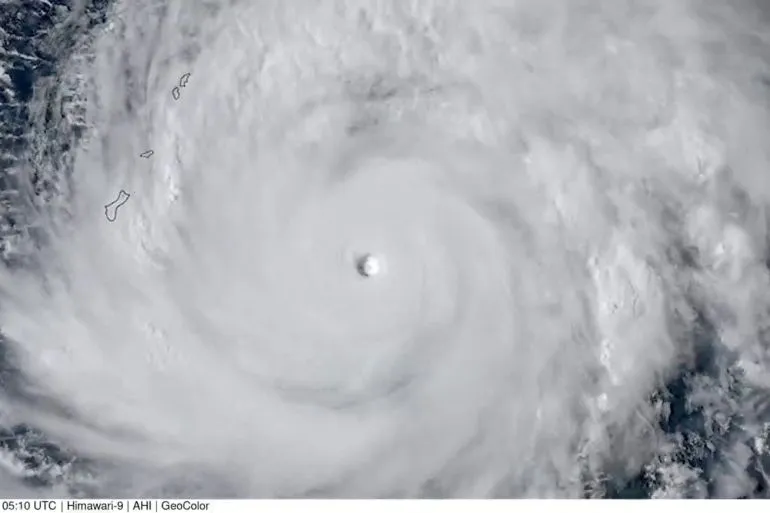
Strong winds associated with the outer bands of the storm are also expected to affect both Guam and the Northern Mariana Islands, where residents have been urged to take precautionary measures.
Region's vulnerability
Guam, a United States territory in the western Pacific, and the Commonwealth of the Northern Mariana Islands lie in one of the world's most active typhoon corridors. The islands sit along a stretch of ocean where warm sea surface temperatures regularly fuel powerful tropical cyclones, particularly during the peak of the Pacific typhoon season.
Infrastructure on the islands, including power lines and roads, is frequently vulnerable to storm damage, and recovery from previous typhoons has at times taken weeks to months.
Preparations underway
Local emergency management agencies in the region were expected to coordinate response efforts ahead of Sinlaku's arrival, with residents advised to secure property, stock emergency supplies, and monitor official guidance from weather services.
The U.S. National Weather Service office in Guam and the Joint Typhoon Warning Center typically issue regular updates on storm track and intensity for systems threatening the territory.
Al Jazeera reported that despite the storm's gradual weakening, forecasters emphasized that dangerous conditions would persist across the affected islands as Sinlaku continues its approach.