If you thought your Tesla was already creepy enough with its cameras staring at you, buckle up - because the same factory that builds your electric car might soon be assembling humanoid robots designed to walk, move, and probably judge your driving.
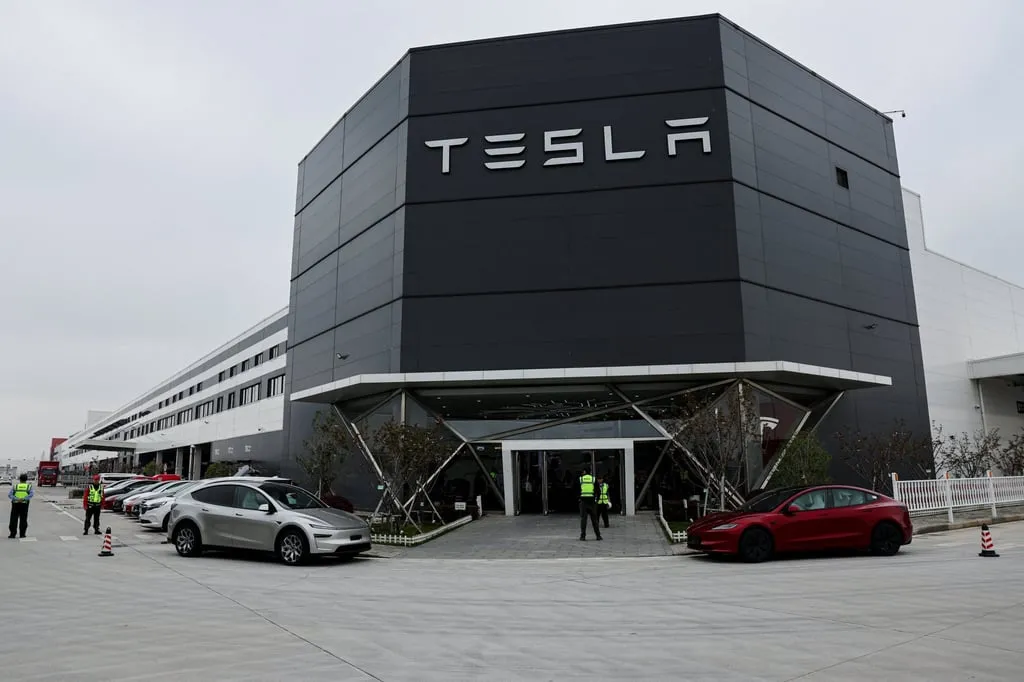
Tesla's China president Allan Wang Hao said at a media briefing on Tuesday that the company's Shanghai Gigafactory - Tesla's largest production base globally - has the potential to manufacture humanoid robots in the future. Wang described the facility as a possible "golden key" to unlocking mass production of the bipedal machines, according to a report by the South China Morning Post.
Why Shanghai specifically?
It is not a random pick. The Shanghai Gigafactory has earned a reputation as Tesla's most efficient and capable manufacturing hub. The logic goes that if any facility on the planet can figure out how to crank out humanoid robots at scale, it is the one that has already mastered the dark arts of building hundreds of thousands of EVs per year with ruthless precision.
Wang pointed to the plant's manufacturing efficiency and innovative capability as the two factors that could help CEO Elon Musk realize his long-stated ambition of commercializing humanoid robot technology - and doing it fast.
Meet Optimus, the robot Elon really wants you to care about
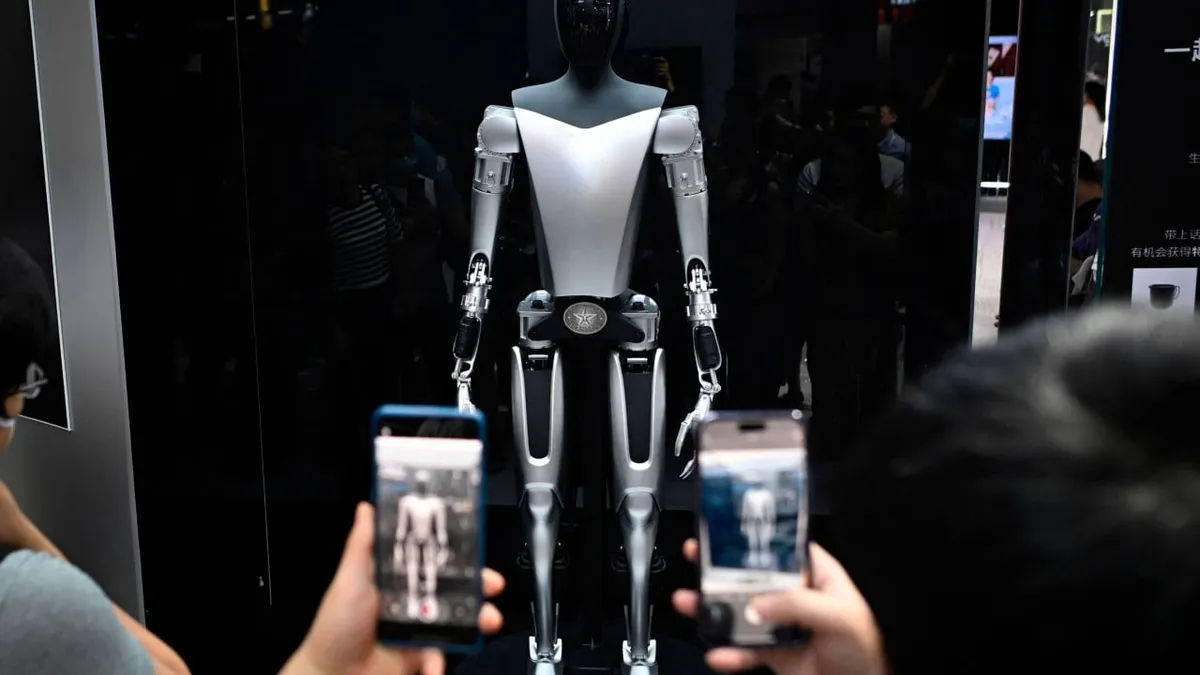
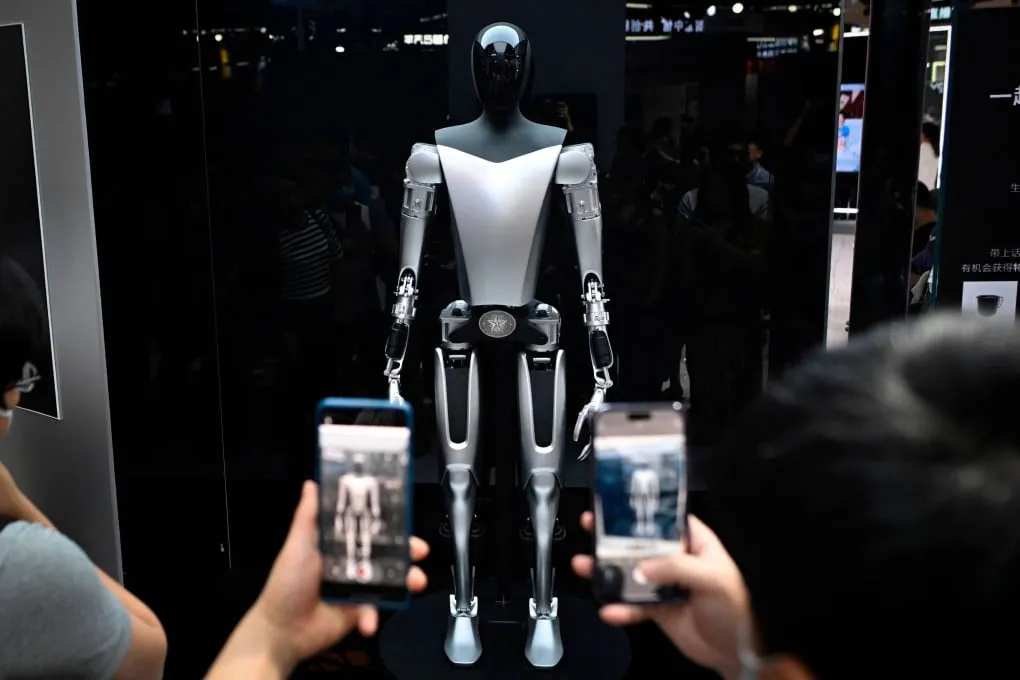
Tesla's humanoid robot project, known as Optimus, has been a recurring feature of Musk's grand vision speeches. He has previously claimed that Optimus could eventually become Tesla's most valuable product - potentially worth more than its entire car business. Bold claim, even by Musk standards.
The idea of turning an automotive gigafactory into a robot-production powerhouse is not as outlandish as it sounds. Humanoid robots share a surprising number of manufacturing challenges with cars - complex assembly, precision engineering, and the need for scalable supply chains. Tesla's existing infrastructure and supplier relationships in China could give it a meaningful head start over rivals scrambling to build robot factories from scratch.
The catch (there's always a catch)
Wang's comments were framed as potential and possibility, not a confirmed production roadmap. No timeline was given for when - or if - Shanghai would formally begin building Optimus units. So while the "golden key" metaphor is delightful marketing speak, the door it supposedly unlocks remains very much closed for now.
Still, for a company that went from "we might build cars in China" to operating one of the world's most productive auto plants in under five years, dismissing this as idle talk might be a mistake.
Your next Tesla might be assembled by a robot. Built in a factory. By other robots. We have officially entered the timeline.