Australian authorities are wasting no time rolling out the welcome mat - a very legally consequential welcome mat. Three women with alleged links to the Islamic State's self-declared caliphate in Syria have returned to Australia and are set to face a serious slate of charges, including slavery and terrorism offences, according to Australian police as reported by Sky News.
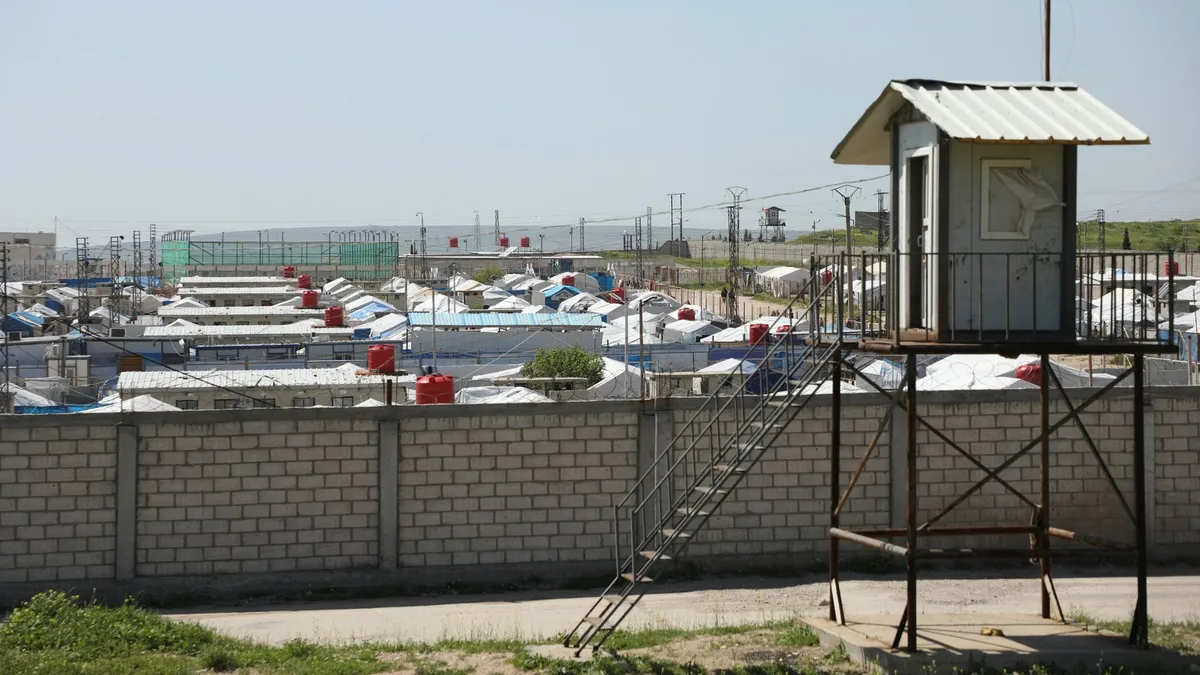
The women were held in a Syrian camp linked to ISIS before making their way back to Australian soil. If the phrase "out of the frying pan, into the fire" ever needed a modern case study, here it is.
What are they actually charged with?
Australian Federal Police have indicated the charges will include slavery offences and terror-related counts - both of which carry severe penalties under Australian law. The slavery charges in particular are notable, suggesting allegations that go well beyond passive association with the extremist group.
It is important to note at this stage that these are alleged offences. The women have not been convicted of anything, and Australian law - like any functioning democracy's legal framework - presumes innocence until proven guilty in a court of law.
The bigger picture: ISIS brides and the global legal headache
This case is part of a much wider and deeply complicated international debate about what to do with individuals - particularly women and children - who ended up in ISIS-controlled territory. Countries across Europe, North America, and the Asia-Pacific have wrestled with the question for years, balancing national security concerns against legal obligations and humanitarian considerations.
Some nations have been reluctant to repatriate anyone from these camps. Australia, in this instance, appears to have gone a different route: bring them back, and let the courts sort it out.
What happens next?
The women are expected to face formal charges, after which the case will move through the Australian court system. Given the complexity of prosecuting alleged offences that occurred in a war zone halfway around the world - and the evidentiary challenges that come with that - legal proceedings could be lengthy and fiercely contested.
Australian authorities have not publicly detailed the specific evidence underpinning the charges, which is standard practice ahead of formal court proceedings.
For now, three women who once lived under the black flag of a crumbling so-called caliphate are back on Australian soil, facing the full weight of one of the world's more robust legal systems. The courtroom drama is only just beginning.