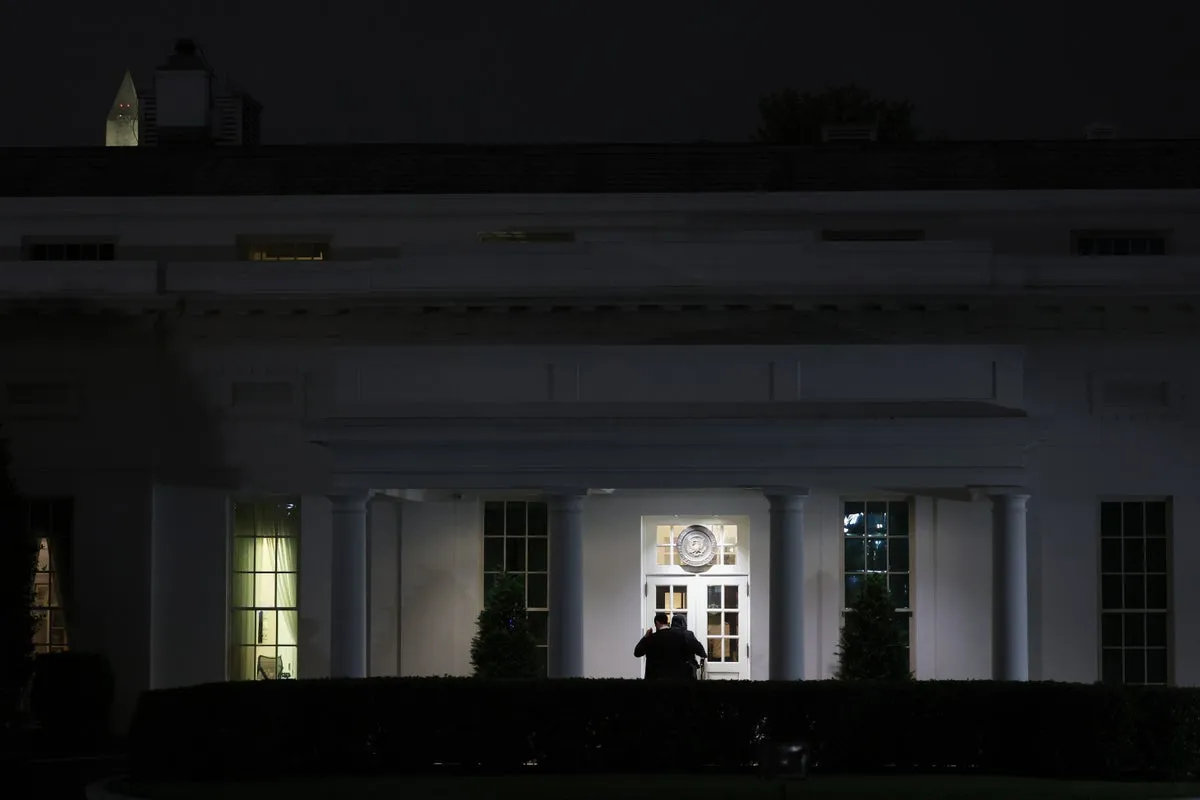
President Donald Trump announced Thursday a drug pricing agreement with Regeneron, completing a set of deals with all 17 pharmaceutical manufacturers that the administration had pressured to adopt its "most favored nation" pricing policy, according to Axios.
The most favored nation policy aims to tie U.S. drug prices to the lowest prices paid for the same medications in other wealthy countries. The administration has framed the completed round of agreements as one of its defining health care achievements.
What the deals involve
Like the agreements reached with the other 16 manufacturers, the Regeneron deal includes commitments to lower prices on certain drugs. The specific terms of the arrangements have not been made public, as the deals are confidential.
Regeneron is known for producing several high-profile medications, including Dupixent, a treatment for eczema and asthma, and Eylea, used to treat vision-threatening eye conditions.
Political divide over impact
The White House has pointed to the full set of agreements as evidence that its approach to pharmaceutical pricing is delivering results without requiring legislative action.
Democrats have pushed back on that characterization. Because the deals are confidential, critics argue there is no way for the public or independent analysts to verify whether the arrangements are actually reducing costs for patients at the pharmacy counter. The lack of transparency has drawn scrutiny from lawmakers who contend that consumers may not be seeing meaningful savings.
The administration has not released detailed data showing how prices have changed for specific drugs under the agreements, making independent assessment difficult.
Context
Drug pricing has been a persistent and politically charged issue in the United States, where prescription medication costs are generally higher than in other developed nations. Both Republican and Democratic administrations have attempted to address the gap, with varying degrees of success.
Trump's most favored nation approach was first attempted during his first term but was blocked by courts before taking effect. The current administration revived the policy through direct industry negotiations rather than formal regulation, which the White House argues allowed it to move faster and avoid legal challenges.
With the Regeneron deal finalized, the administration now claims a complete set of voluntary commitments from the manufacturers it targeted. Whether those commitments translate into lower out-of-pocket costs for patients is expected to remain a point of contention heading into the 2026 midterm election cycle.