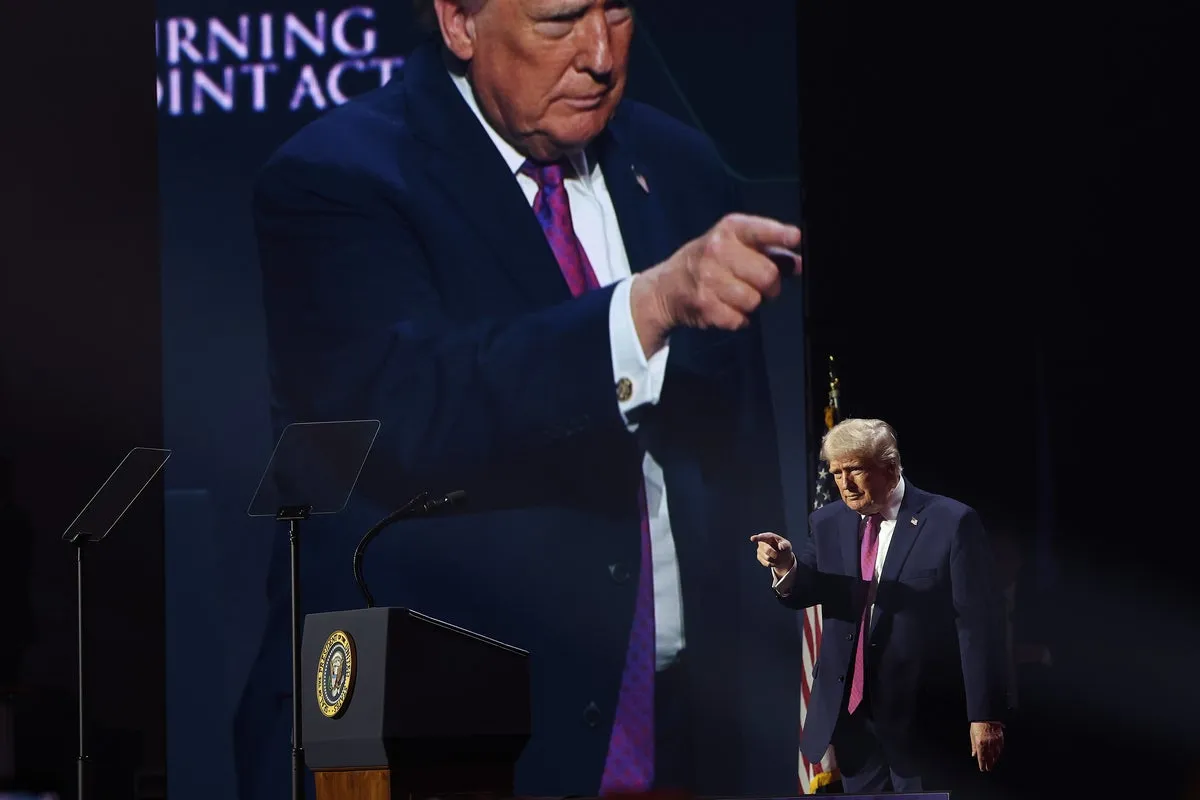
President Donald Trump publicly dismissed NATO on Friday after the alliance offered assistance in reopening the Strait of Hormuz, telling a rally crowd that the United States had no need of the offer, according to reporting by The Independent.
"We never needed them," Trump said, referring to NATO's offer to help clear the critical shipping corridor. The remarks came during a rally in Phoenix, where Trump addressed the situation following his earlier declaration that the strait had been reopened.

A contested reopening
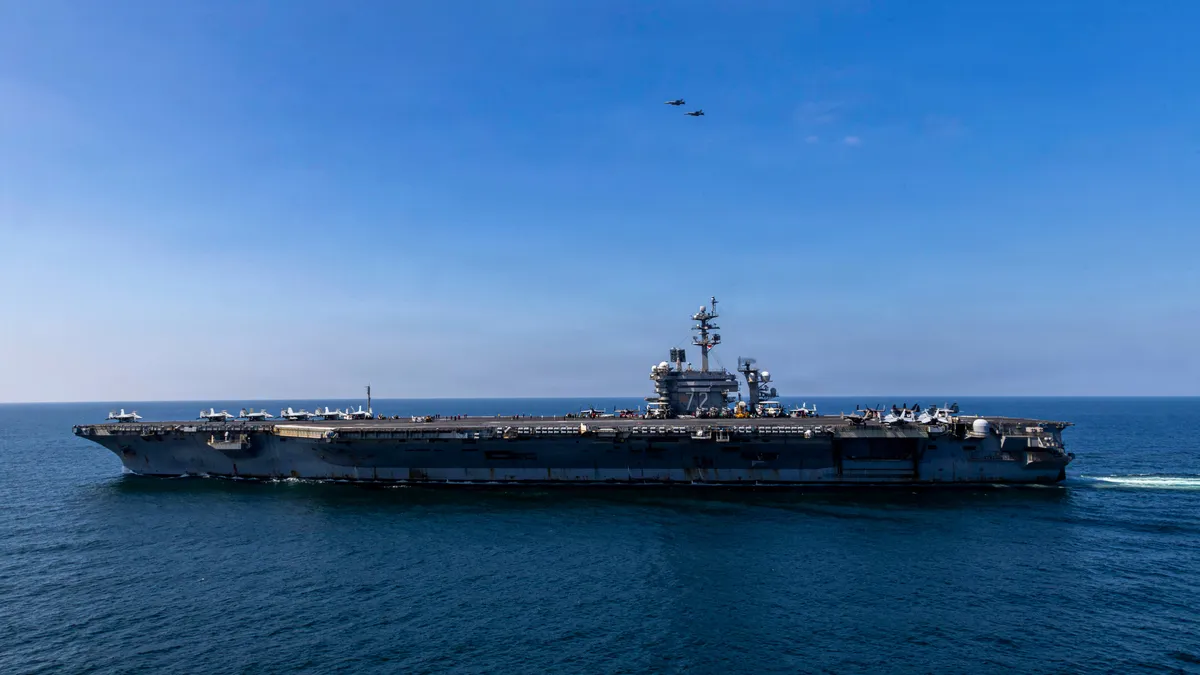
Trump announced Friday that the Strait of Hormuz - one of the world's most strategically vital maritime chokepoints - was once again open to navigation. The strait connects the Persian Gulf to the Gulf of Oman and is a passage for roughly 20 percent of the world's oil supply.
Iran, however, offered a more conditional assessment. Iranian officials indicated that the waterway would remain accessible only for as long as the ceasefire in Lebanon holds, tying the status of the strait directly to broader regional dynamics and ongoing diplomatic arrangements.
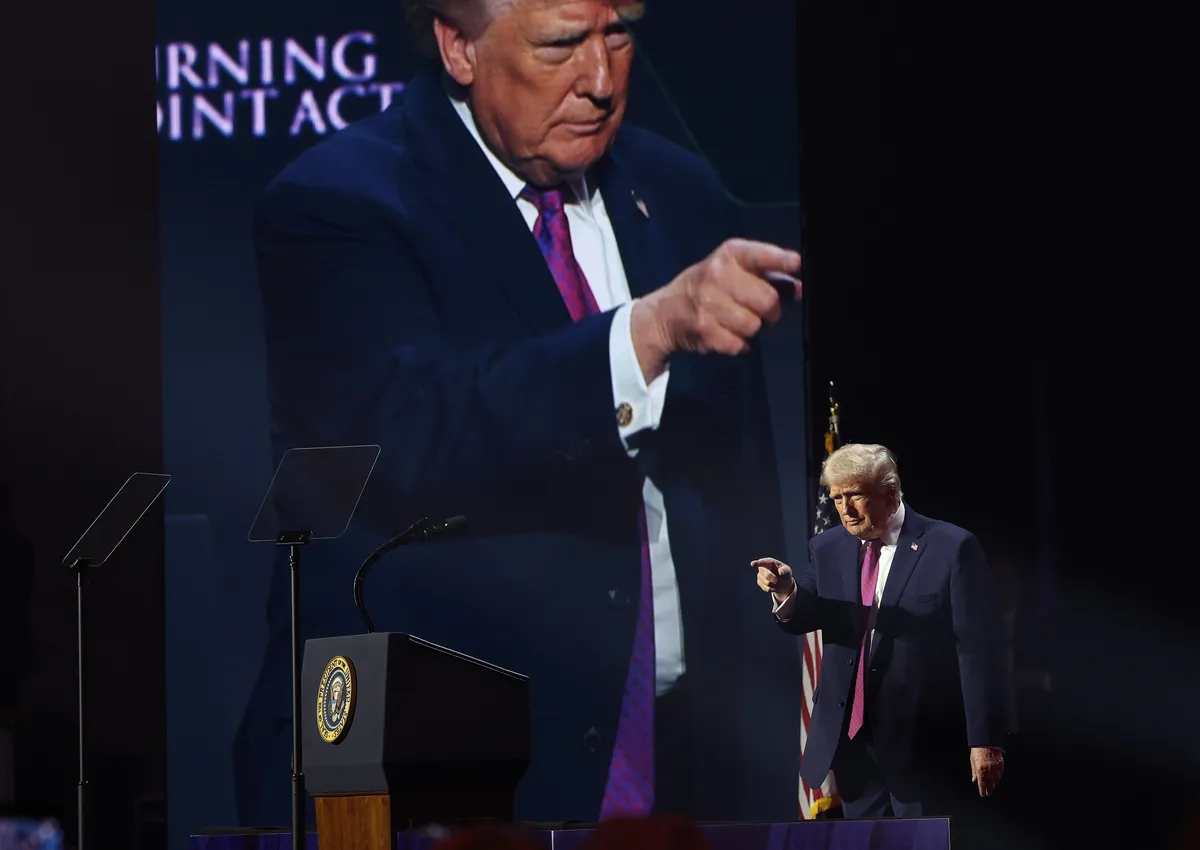
The divergence between Washington's framing of an unconditional reopening and Tehran's conditional stance underscores the fragile nature of the current arrangement and the potential for renewed disruption.
NATO tensions surface again
Trump's comments about NATO reflect his longstanding skepticism of the transatlantic alliance. By publicly rejecting the organization's offer of assistance, the president signaled that the United States views the Hormuz situation as resolved on American terms, without multilateral support.
NATO has not publicly commented in detail on Trump's characterization of the offer, according to available reporting from The Independent.
The Strait of Hormuz has been a recurring flashpoint in U.S.-Iran relations. Any disruption to traffic through the narrow passage - roughly 33 kilometers wide at its narrowest point - carries significant consequences for global energy markets and international shipping.
Broader regional context
The developments come amid a broader period of tension in the Middle East, with the Lebanon ceasefire serving as a key variable in Iran's stated calculus regarding the strait. It remains unclear what specific sequence of events led to the waterway's current status or what guarantees, if any, have been established to maintain access.
The White House has not provided detailed documentation of the diplomatic steps involved in what Trump characterized as a successful reopening.