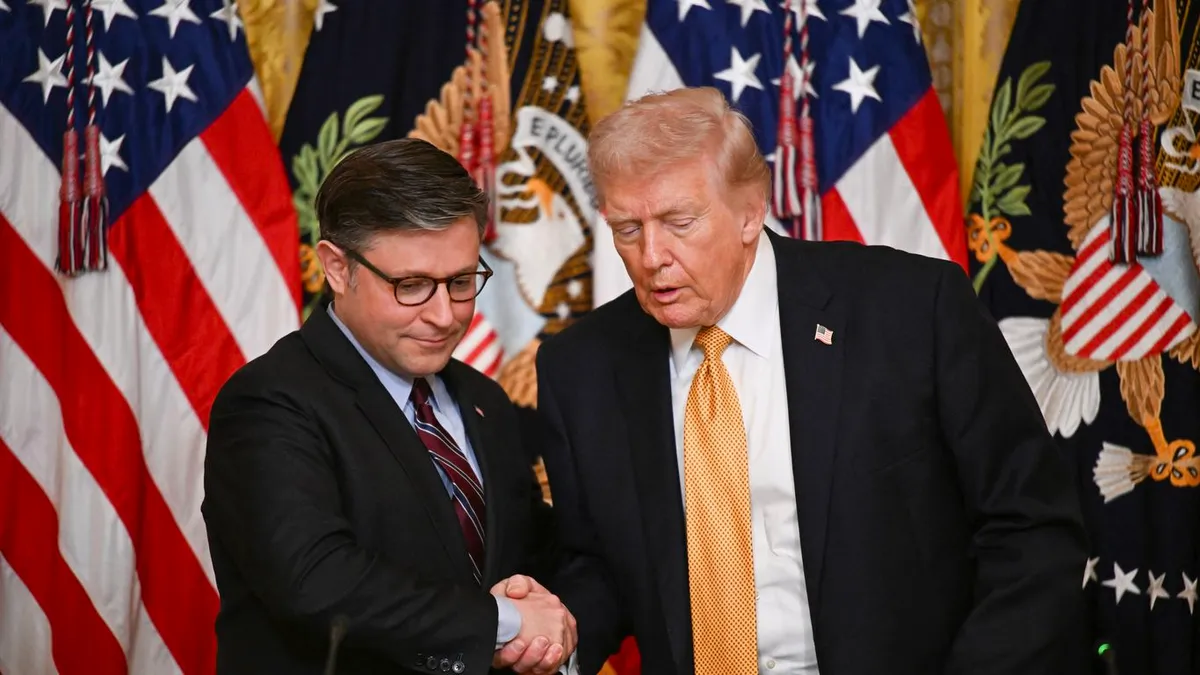
President Donald Trump suffered an uncommon legislative setback Friday when House Republicans broke ranks to block a clean extension of Section 702 of the Foreign Intelligence Surveillance Act, dealing a rare defeat to both Trump and Speaker Mike Johnson, according to reporting by Axios.
The revolt highlighted the boundaries of Trump's sway over House Republicans, who have largely followed the president's lead on major votes since he returned to office. This time, however, some of his closest allies refused to fall in line.
What happened
The decision to push a straightforward, or "clean," extension of Section 702 - a key national security surveillance authority - was made by the White House. Despite that backing, a faction of House Republicans pushed back, citing long-standing objections to the surveillance tool itself.
Section 702 allows U.S. intelligence agencies to collect communications of foreign nationals located outside the United States. Critics within the Republican Party have argued the authority has been used to incidentally gather data on American citizens, a practice they consider an overreach.
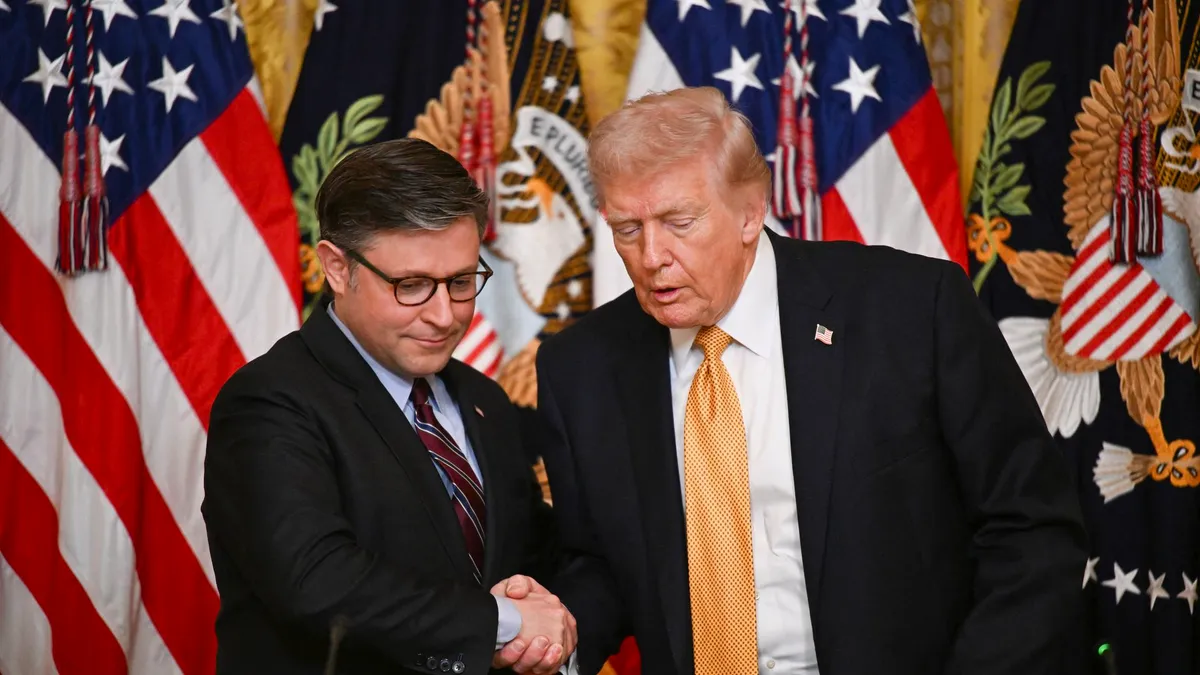
Johnson left exposed
The failed vote placed Johnson in a difficult position. The Speaker had backed the White House's preferred approach, and the collapse of that effort underscored the challenges he faces managing a narrow and ideologically varied Republican majority.
For Trump, the episode was notable precisely because of how infrequently it occurs. The president has generally been able to deliver House Republicans on high-stakes legislation, making Friday's outcome an unusual demonstration that his influence has limits - particularly when the vote touches on issues where some members hold deep, preexisting convictions.
Broader implications
The FISA dispute reflects a tension that has existed within Republican circles for years. A portion of the party, particularly those aligned with civil liberties concerns, has been skeptical of expansive surveillance powers regardless of which administration wields them.
That skepticism proved strong enough on Friday to override direct pressure from the Trump White House, suggesting that on certain issues - especially those tied to personal liberty and government surveillance - a segment of House Republicans will not defer to the president.
The White House had not publicly commented on the path forward for Section 702 as of the time of reporting. The authority requires congressional reauthorization to remain in effect.