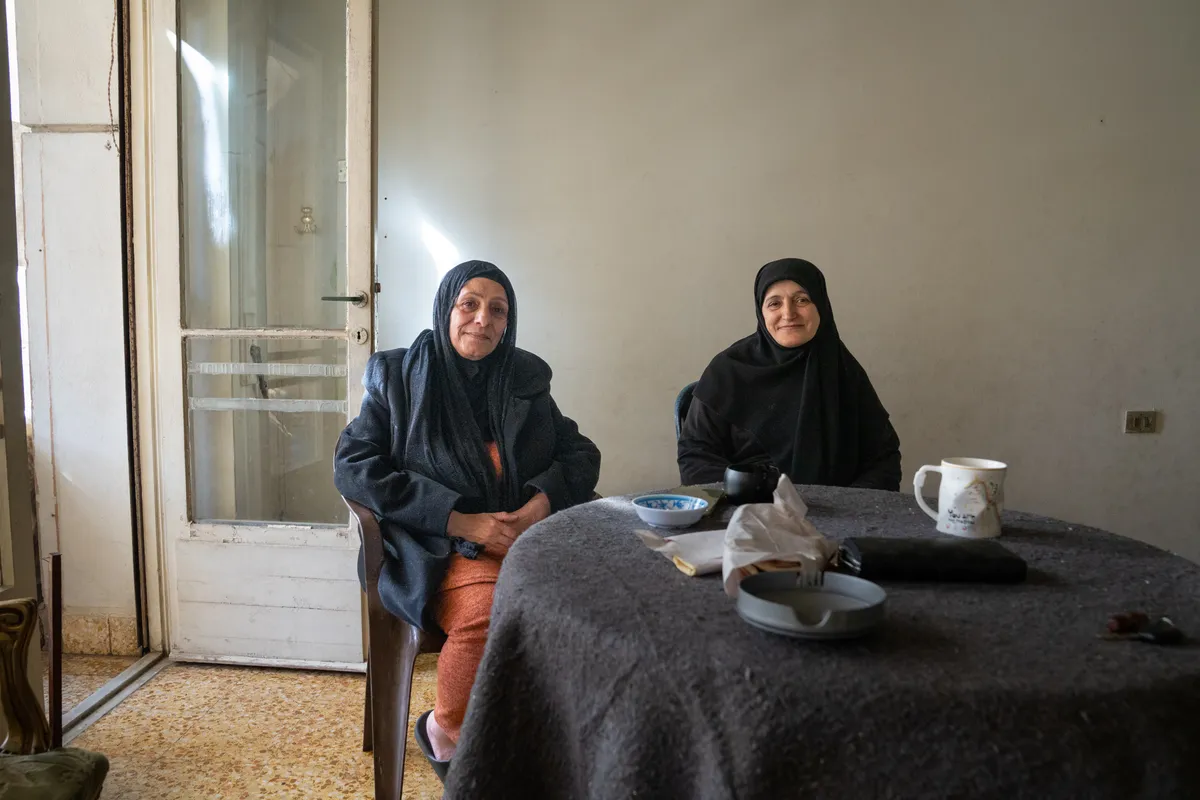
They grew up among olive groves in the villages of southern Lebanon, separated by little more than geography. Now, two elderly grandmothers find themselves sheltering together in a vacant building in central Beirut, bound by family and by a shared history of repeated displacement driven by Israeli military operations, according to a report by NPR.
The women's lives became intertwined when the son of one married the daughter of the other. That family connection has since deepened into a shared fate, with both now uprooted from the south they call home.
Decades of upheaval
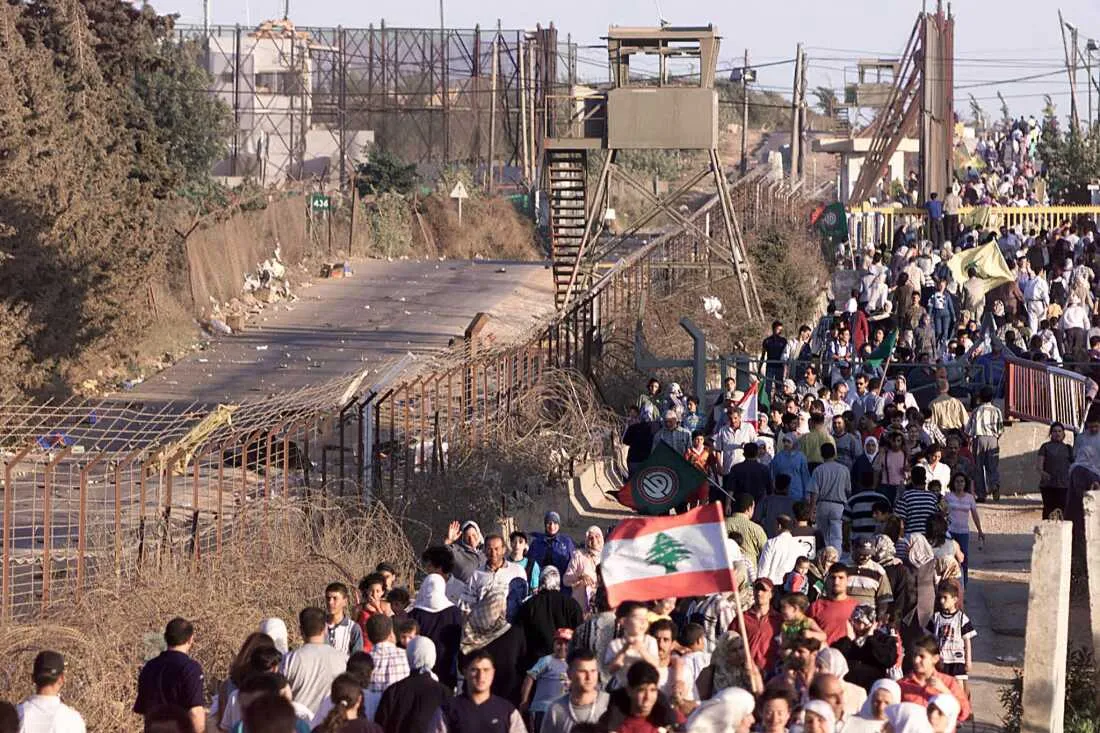
Southern Lebanon has been a site of recurring conflict for more than half a century. Israeli forces first invaded in 1978, and again in 1982, occupying parts of the south until a withdrawal in 2000. The region was struck again during the 2006 war between Israel and Hezbollah, and most recently endured a significant escalation in 2024 before a ceasefire was reached.
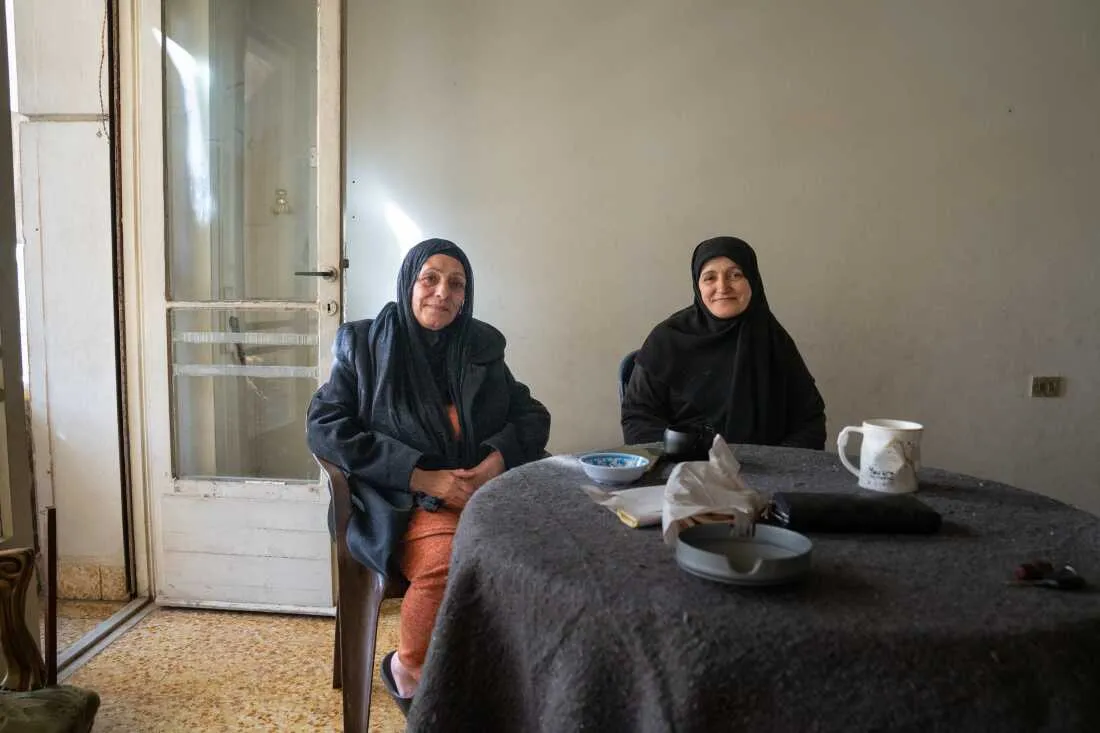
For the two grandmothers, each of these events meant leaving behind homes, land, and livelihoods, often with little notice and no certainty about when, or whether, they could return.
Life in a borrowed space
The building in Beirut where they are currently staying is not their own. It sits empty, a temporary refuge in a city that has itself weathered enormous strain from the influx of the displaced. The women's situation reflects a broader crisis in Lebanon, where hundreds of thousands of people from the south and from the southern suburbs of Beirut were forced to flee during the most recent round of fighting.
A ceasefire agreement brought a halt to active hostilities, but returning home has remained complicated for many. Destruction of infrastructure, ongoing security concerns, and uncertainty over the terms of any lasting settlement have kept large numbers of displaced people in limbo.
Roots that remain
Despite repeated displacement, the two grandmothers have maintained a deep connection to their places of origin. The olive groves they grew up around are not merely agricultural land in their telling, but markers of identity and belonging that successive conflicts have placed out of reach.
Their story, as reported by NPR, illustrates how the human cost of the Lebanon-Israel conflict has compounded across generations, with the same families absorbing the disruption of multiple wars across the span of a single lifetime.
Lebanon continues to navigate a fragile post-ceasefire environment, with diplomatic efforts ongoing regarding the full implementation of the agreement and the future presence of armed groups in the south.