
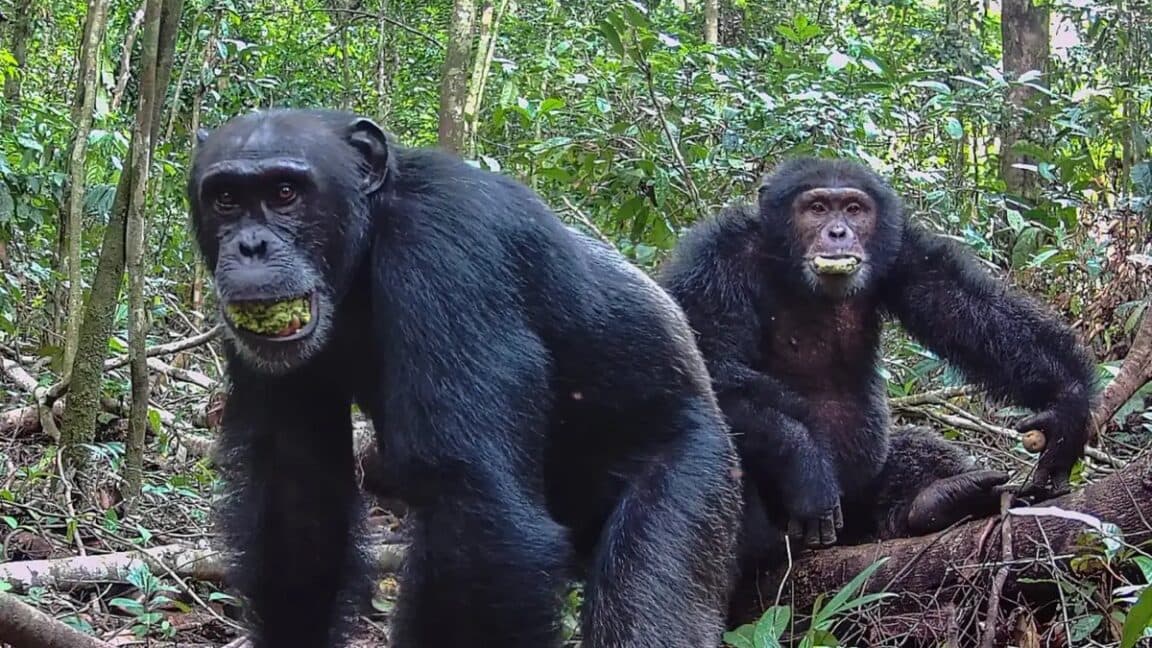
A chimpanzee community in Uganda divided into two competing factions before members of one group systematically killed rivals, according to research reported by Ars Technica. Scientists say the event offers a rare window into the social dynamics that can precede collective violence among our closest living relatives.
The observation is considered unusual because documented cases of lethal intergroup aggression in chimpanzees are relatively uncommon, and fewer still have been linked to an identifiable internal split within a single community prior to the violence.
Factions and cultural markers
According to the report, researchers noted that the division between chimpanzee groups appeared to involve more than just competition over territory or resources. Relational dynamics within the community - essentially, which individuals associated with whom - seemed to play a meaningful role in how the factions formed and ultimately clashed.
The findings also suggest that cultural markers may serve as distinguishing signals between the groups. This points to a level of social complexity that researchers say has implications for understanding how group identity forms in non-human primates, and potentially how collective aggression emerges.
Implications for understanding primate violence
Scientists have long studied chimpanzee communities to better understand the evolutionary roots of human social behavior, including warfare and inter-group conflict. The Uganda case adds to a growing body of evidence that chimpanzee violence is not purely opportunistic but can be shaped by the social fabric of a group and the relationships within it.
Researchers note that the pattern observed - internal fragmentation followed by violence against former community members - mirrors dynamics that have been studied in human conflict, though drawing direct comparisons between animal behavior and human warfare requires caution.
The event underscores the value of long-term field observation, which allows scientists to track social changes within chimpanzee groups over time before and after incidents of violence occur. Without such continuity of observation, the sequence of events leading to the killings would likely have gone unrecorded.
Further analysis is expected to examine what specific relational and cultural factors were most predictive of how individual chimpanzees aligned within the factions, and what triggered the transition from social division to lethal confrontation.