You know things are going sideways for Russia's energy sector when even a US sanctions waiver isn't enough to stop the bleeding. According to a report by Al Jazeera, Russian oil exports are on track to fall to their lowest levels since 2023 - and this time, it's not Washington doing the damage. It's Kyiv.
The receipts
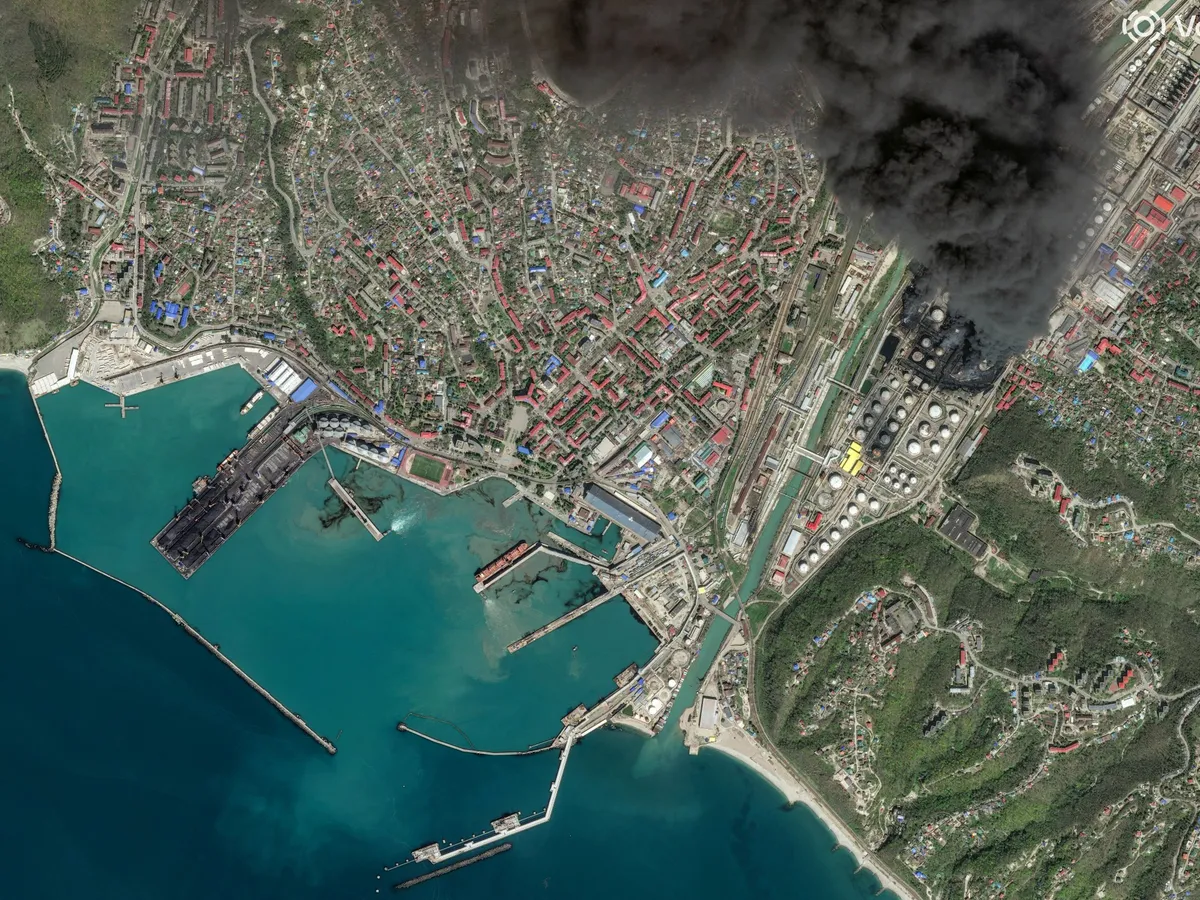
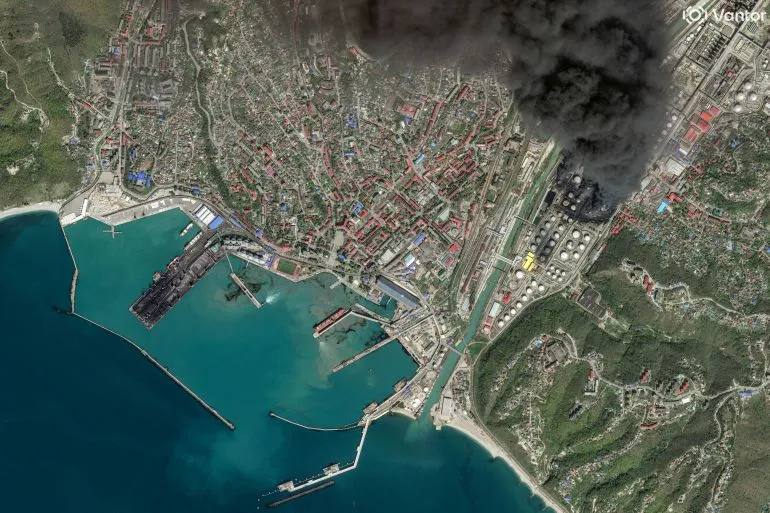
Ukraine has been systematically targeting Russian oil infrastructure with drone strikes, hitting ports and refineries that form the backbone of Moscow's most important revenue stream. The result, according to sources cited by Al Jazeera, is an export slump that's starting to look genuinely painful for a war economy that depends on crude sales the way most of us depend on caffeine.
The timing is particularly awkward for Russia. The US recently issued sanctions waivers that were supposed to give Russian oil a bit more breathing room on global markets. Spoiler: drones don't care about waivers.
Why this matters more than another sanctions headline
Oil and gas revenues have been the financial spine of Russia's military operation in Ukraine since day one. Western sanctions tried to compress those revenues through price caps and import bans - with mixed results, as Russia found workarounds through shadow fleets and friendly buyers in Asia. But you can't reroute a refinery that's on fire.
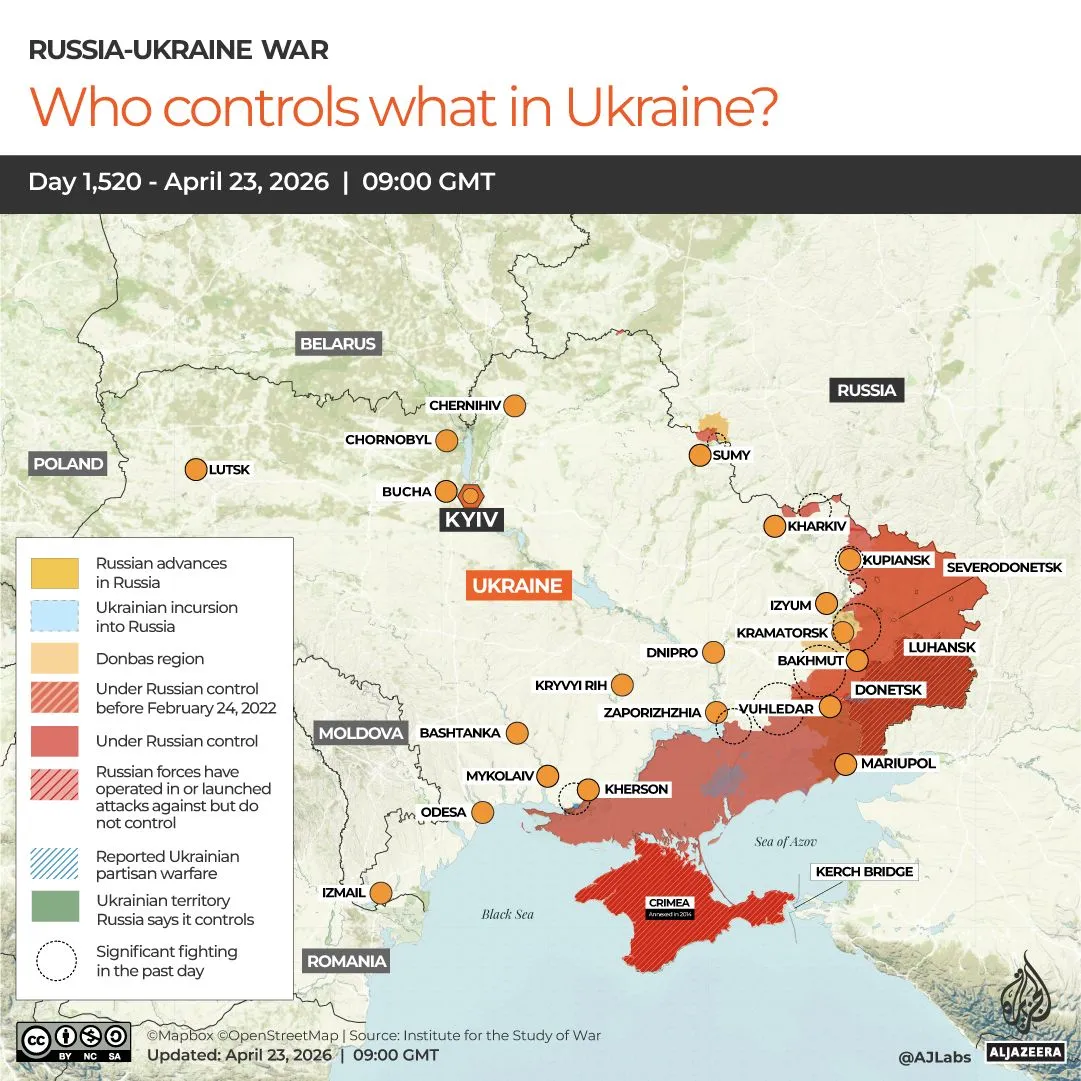
By going after the physical infrastructure - the terminals, the processing facilities, the ports - Ukraine is attacking a part of the supply chain that's genuinely hard to substitute quickly. Building or repairing that kind of industrial capacity takes time and money Russia is increasingly short on.
The geopolitical awkwardness
There's a delicious irony here worth pausing on. The US spent considerable diplomatic energy constructing a sanctions architecture to squeeze Russian oil revenues. Meanwhile, Ukraine - the country those sanctions were meant to support - has been doing the job more directly with off-the-shelf drone technology. It's the kind of outcome that makes PowerPoint presentations in Washington very complicated.
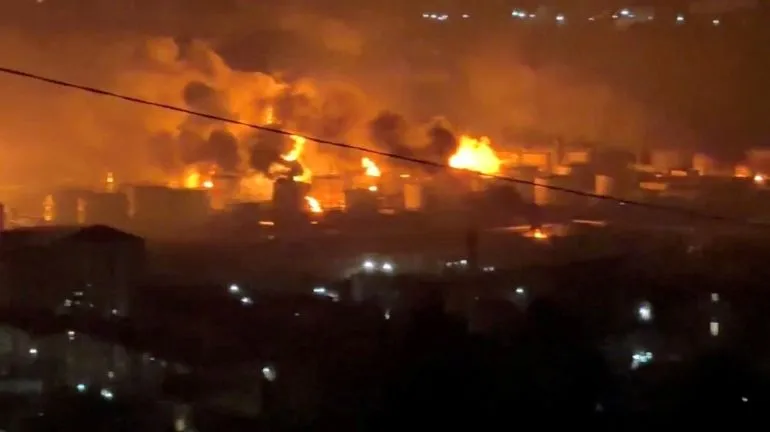
Al Jazeera notes the export levels could hit their lowest point since 2023, which, if confirmed, would represent a meaningful deterioration in Russia's fiscal position heading into what is shaping up to be a protracted conflict.
What comes next
Russia will almost certainly attempt repairs and may shift export routes, but each disruption creates delay, cost overruns, and insurance headaches that compound over time. For Ukraine, the calculus seems clear: if you can't stop the war machine at the front, you go after the fuel supply.
Watch this space. And maybe watch the skies over Novorossiysk too.