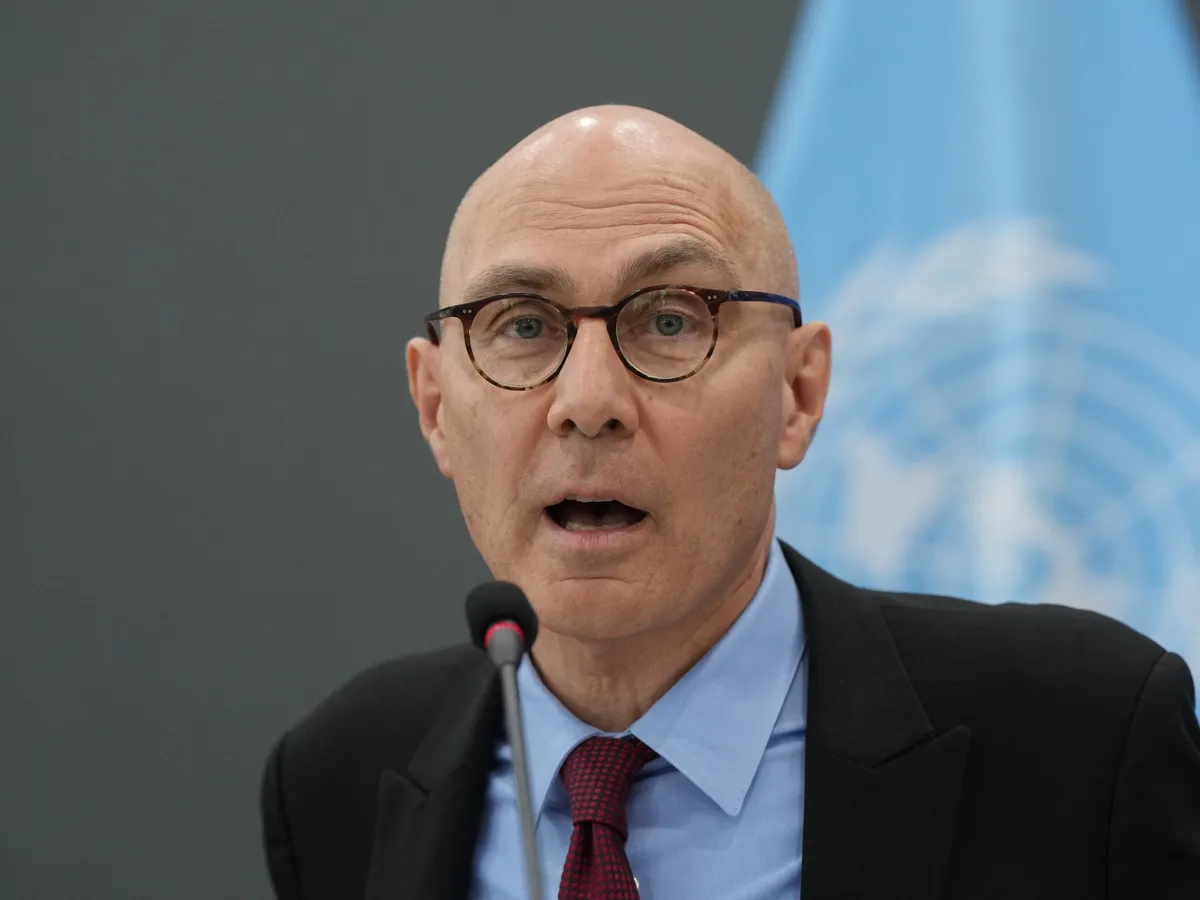
The United Nations top human rights official has lobbed a diplomatic grenade at Washington, calling for US sanctions on Cuba to be lifted without delay and warning that the consequences of the ongoing oil blockade are being felt by the island's most vulnerable residents.
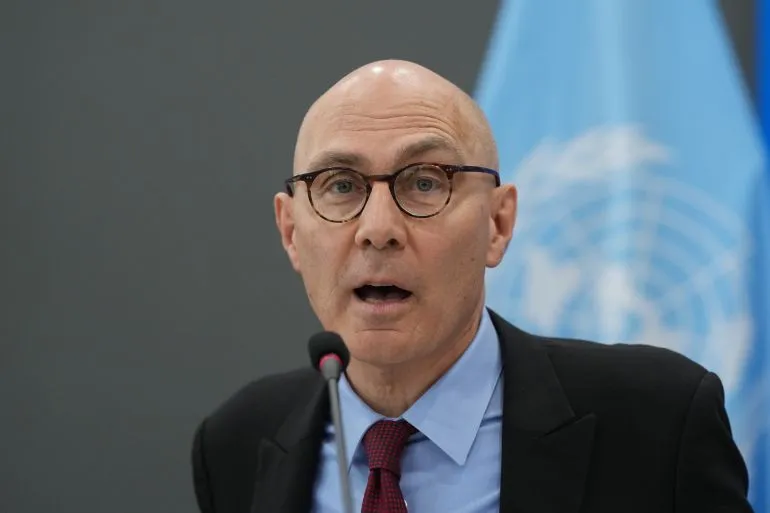
Volker Turk, the UN High Commissioner for Human Rights, made the remarks as reported by Al Jazeera, framing the situation in stark humanitarian terms. According to his warning, the fuel restrictions are not just an abstract geopolitical chess move - they are, in his words, causing children to die.
So what exactly is going on?
The United States has maintained a comprehensive embargo against Cuba for decades, but the squeeze on oil supplies has had a particularly brutal downstream effect on the Caribbean nation. Without reliable fuel, hospitals struggle to keep the lights on, food supply chains crumble, and basic public services grind to a halt. Cuba is already navigating a serious economic crisis, and the sanctions layer an additional pressure that humanitarian observers say pushes ordinary Cubans - not the government - to the brink.
Turk's call is about as diplomatically blunt as UN officials tend to get. Calling for sanctions to be lifted "immediately" is not the usual carefully-worded bureaucratic hedging you would expect from Geneva. This is a full-throated condemnation.
The politics, predictably, are complicated
Washington has long argued that sanctions are a tool to pressure the Cuban government on human rights grounds - which, to put it mildly, creates a somewhat ironic situation when the UN's own human rights chief says those same sanctions are now a human rights violation in themselves.
Cuba's government, for its part, has routinely pointed to the embargo as the root cause of the country's economic misery, a claim the US disputes, arguing that mismanagement and authoritarianism deserve at least a share of the blame.
Turk's intervention essentially validates a core part of Havana's narrative - without necessarily endorsing the Cuban government's record on civil liberties, free expression, or political dissent, areas where the UN has also been critical.
Will anything actually change?
Almost certainly not in the short term. The US embargo on Cuba is one of the more durable fixtures of American foreign policy, surviving administrations of both parties for over sixty years. A statement from the UN, however sharply worded, is unlikely to move the needle in Washington.
But the fact that the UN's highest human rights authority is now using language like "children are dying" in direct connection to US policy is the kind of headline that tends to reverberate - even if slowly.
Source: Al Jazeera