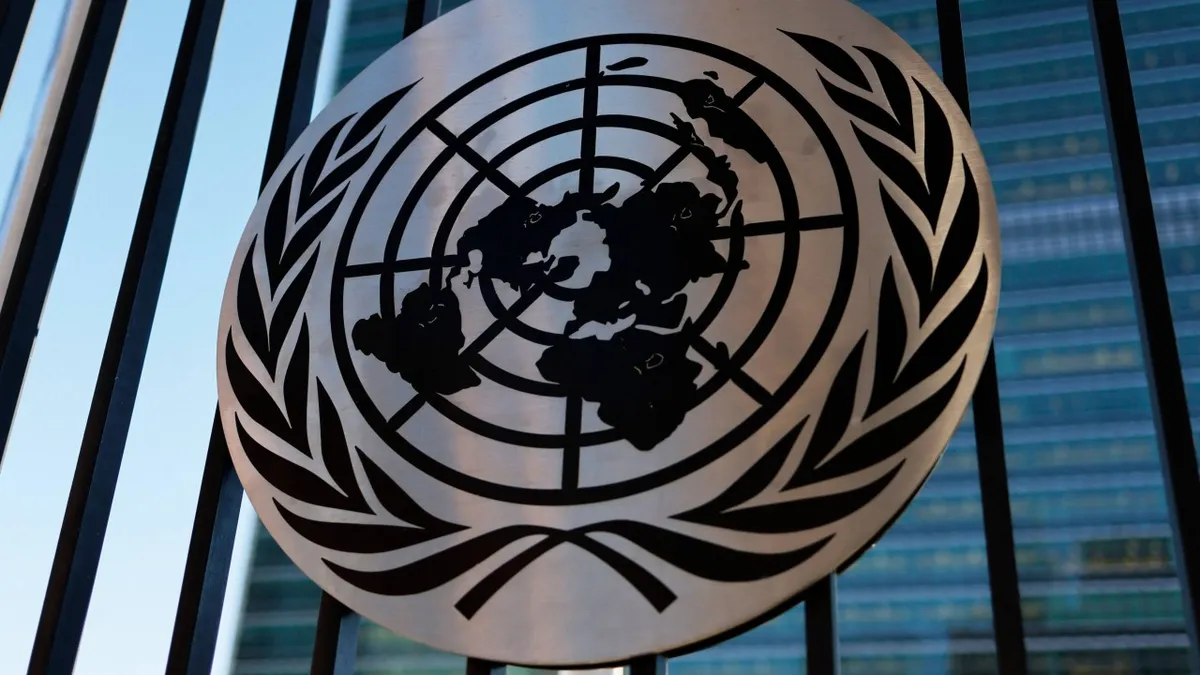
The United States has apparently decided that paying your bills is something you do conditionally now - at least when it comes to the United Nations. According to a report by Devex, an independent news organisation covering global development, the US has circulated two diplomatic notes laying out a set of demands that must be met before Washington releases the billions of dollars it currently owes to the world body.
The nine commandments of UN funding
Devex reported that the US demands - framed as nine "quick-hit" reforms - cover a range of issues, including overhauling the UN pension system and broader cost-cutting measures. But the headline-grabber here is the explicit push to counter China's influence within the organisation. Because apparently no geopolitical dispute is too sacred to be weaponised as a budget negotiation tactic.
The South China Morning Post, which covered the Devex report, noted the conditions reflect a broader pattern of US frustration with what it perceives as Beijing's growing footprint inside multilateral institutions - a concern that has been building across multiple administrations but appears to be hitting a new level of transactional bluntness.
So who owes what to whom?
The US has historically been the UN's largest financial contributor, responsible for roughly 22% of the regular budget and about 27% of the peacekeeping budget. Falling behind on dues is not a new American habit - Washington has a long history of using financial leverage to pressure the UN into reforms it favours. This time, however, tying payments explicitly to geopolitical competition with China adds a layer that goes well beyond typical budgetary squabbling.
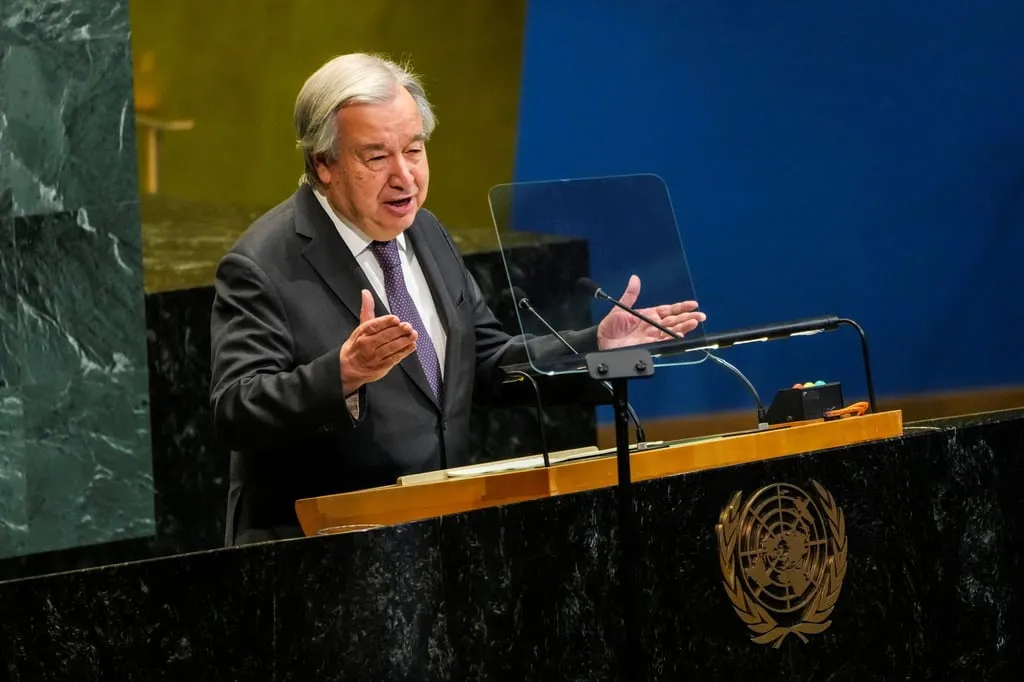
Why this matters (besides the obvious "world's most awkward roommate" vibes)
If the conditions are confirmed and the UN resists, the financial shortfall could seriously hamper operations across UN agencies that depend on American funding. Humanitarian programmes, peacekeeping missions, and development initiatives could all feel the squeeze. Meanwhile, China - which has been steadily increasing its financial contributions and placing its nationals in senior UN roles - would likely not be thrilled about a reform package specifically designed to clip its wings inside the institution.
As of publication, the US State Department had not officially confirmed the specific conditions outlined in the Devex report, so it is worth noting these details are based on diplomatic notes reported by that outlet and have not been independently verified by all parties.
Still, if accurate, it is a pretty loud signal that for Washington right now, multilateralism comes with a side of great-power competition - and a bill that only gets paid once you agree to the terms and conditions.