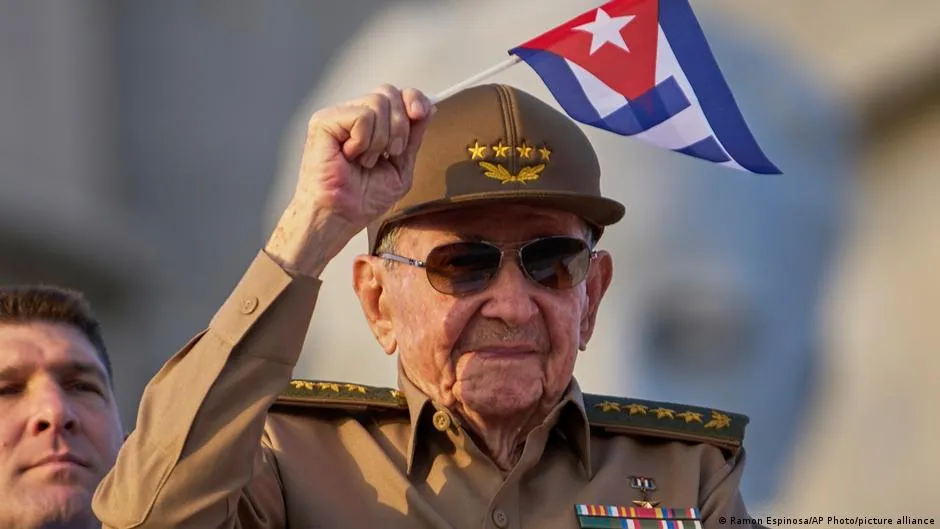
Retirement, it turns out, is no shield from a federal indictment. The Trump administration has formally indicted Raul Castro, the former president of Cuba and brother of the late revolutionary icon Fidel Castro, according to a report by Deutsche Welle. The move marks yet another escalating pressure tactic aimed squarely at Cuba's communist government.
Raul Castro, who is 93 years old, stepped down from the Cuban presidency back in 2018, handing power over to Miguel Diaz-Canel. Many might have assumed that quietly exiting the world stage would come with some degree of legal insulation. The Trump administration, apparently, did not get that memo.
Part of a bigger squeeze play
The indictment is the latest in a series of punitive measures the Trump administration has taken against Cuba and its officials. Washington has long maintained a hostile stance toward Havana, but the current administration has leaned into that posture with particular enthusiasm, ramping up sanctions, travel restrictions, and now criminal charges against figures associated with the Cuban government.
While the practical enforcement of an indictment against a nonagenarian former head of state living in Cuba - a country with no extradition treaty with the United States - raises obvious logistical eyebrows, the symbolic and political weight of the move is hard to ignore. Indicting a sitting leader is bold. Indicting a retired one is a statement.
What this actually means
In terms of real-world consequences, Castro is unlikely to be boarding any flights to Miami to answer charges anytime soon. But the indictment does have teeth in other ways - it can complicate international travel, freeze any potential assets within US jurisdiction, and signal to allies and adversaries alike where Washington stands.
It also sends a message to current Cuban officials: stepping down from power won't necessarily close the legal books on your tenure.
The broader context here is a US foreign policy toward Cuba that has swung dramatically depending on who occupies the White House. The Obama administration famously pursued a diplomatic thaw with Havana, reopening embassies and easing travel restrictions. That era feels like ancient history at this point.
The Trump administration's approach is essentially the opposite - maximum pressure, maximum noise, minimum goodwill. Whether indicting a 93-year-old retiree moves the needle on Cuban policy in any meaningful way remains to be seen, but it is certainly not the kind of thing Raul Castro put on his retirement bingo card.
Source: Deutsche Welle