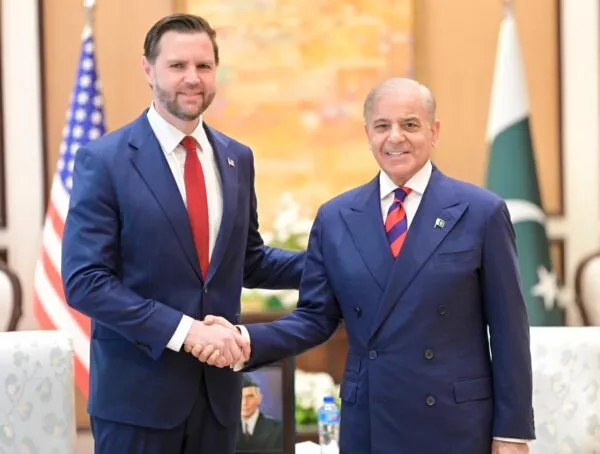
Diplomatic talks between the United States and Iran held in Pakistan have ended without an agreement, according to reporting by The Diplomat, as the two adversaries failed to bridge fundamental differences despite weeks of escalating conflict.
The negotiations, which had raised hopes of a breakthrough following a period of destructive military and political confrontation, instead concluded in a deadlock that observers say was largely foreseeable given the entrenched nature of the two countries' disagreements.
Why the talks failed
According to The Diplomat's analysis, the expectation that Washington and Tehran could reach a swift resolution was always unrealistic. The layers of mistrust and competing strategic interests between the two governments have accumulated over decades, and a short negotiating window in a third-party country was unlikely to resolve disputes that have defied resolution for years.
Pakistan's role as a host reflected efforts by regional actors to position themselves as neutral mediators in a conflict with broad implications for Middle Eastern and South Asian stability. However, the venue alone was insufficient to overcome the substantive gaps between the two delegations.
Points of contention
While specific details of the negotiating positions were not fully disclosed, the broader context of the talks involved longstanding disagreements over Iran's nuclear program, sanctions relief, and regional influence - issues that have repeatedly derailed diplomatic efforts in the past.
The collapse of the Pakistan talks adds to a pattern of failed or stalled negotiations between the two countries. Previous diplomatic frameworks, including the 2015 Joint Comprehensive Plan of Action, unraveled following the United States' withdrawal from the agreement in 2018 under the Trump administration, and subsequent efforts to restore a deal have made limited progress.
Regional and global implications
The failure to reach a deal leaves the relationship between Washington and Tehran in a precarious state. Continued tensions carry risks not only for the two countries but for the broader region, where proxy conflicts and energy markets remain sensitive to any escalation.
Analysts cited by The Diplomat suggest that without a significant shift in the political conditions on either side, further rounds of talks face similar obstacles. Confidence-building measures and back-channel diplomacy may be necessary before formal negotiations can produce concrete results.
No timeline for resumed talks has been announced by either government.