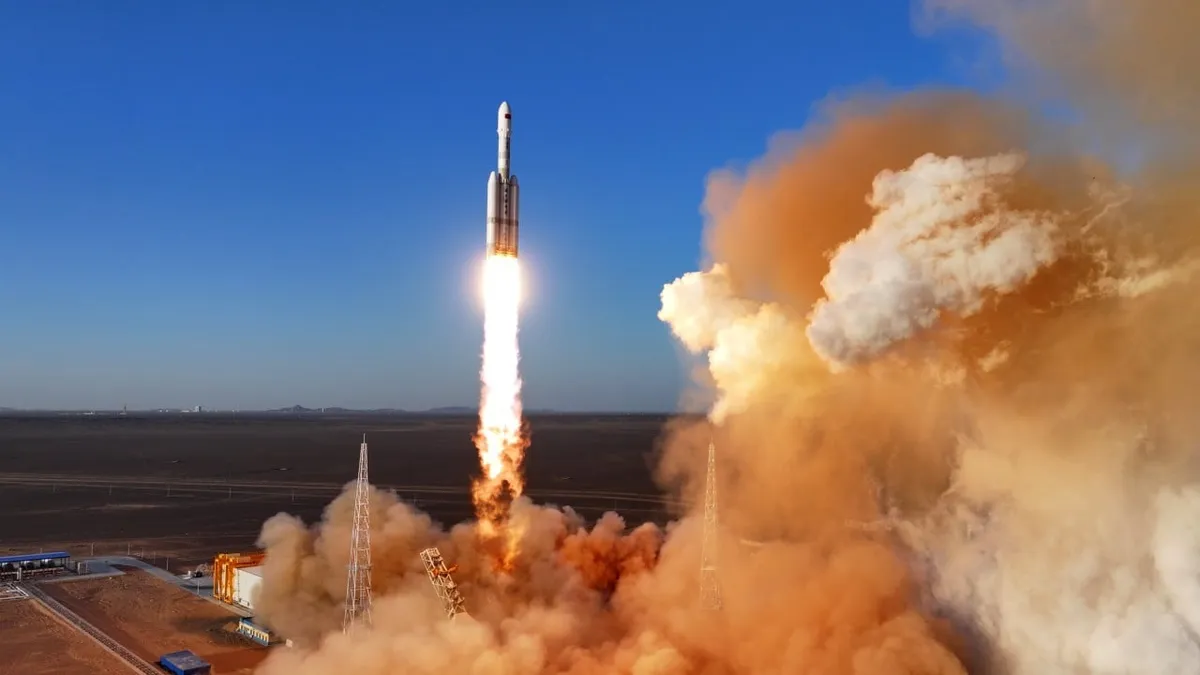
China poses the most significant threat to the United States in space, lawmakers were told at a congressional hearing on Wednesday, as competition between the two nations over lunar exploration reaches new heights.
Witnesses testifying before Congress described China as the US's 'most consequential threat and competitor in space,' warning that Beijing is actively leveraging its space capabilities 'as a tool of diplomacy and influence,' according to reporting by the South China Morning Post.
A two-way race to the moon
Both countries are pursuing crewed lunar missions within the next decade. China has set an official target of 2030 for its first crewed lunar landing, while the United States is pursuing the same goal through its Artemis programme, which aims to return American astronauts to the lunar surface for the first time since 1972.
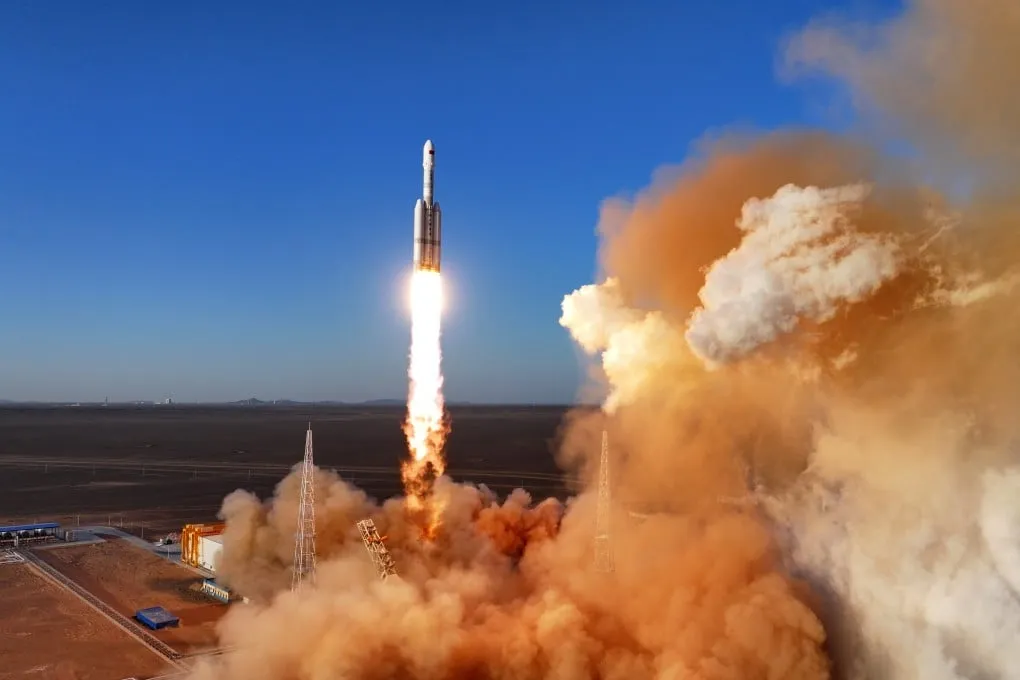
The convergence of timelines has sharpened the competitive dynamic between Washington and Beijing, with the moon serving as both a scientific destination and a geopolitical symbol. Control over lunar resources, the establishment of surface infrastructure, and the prestige associated with crewed landings are all factors driving the race.
Space as a geopolitical instrument
The congressional hearing highlighted concerns that China is not merely pursuing space exploration for scientific purposes, but is using its programme to build alliances and extend its influence internationally. This framing places space competition within the broader context of US-China rivalry across technology, military capability, and global governance.
US space policy has increasingly reflected this competitive outlook in recent years. The Artemis Accords, a US-led framework for international cooperation in space exploration, have attracted dozens of signatories but notably not China or Russia, which have pursued their own bilateral cooperation in space development.
Programme timelines and challenges
The Artemis programme has faced repeated delays due to technical challenges and budget pressures. NASA's crewed lunar landing, originally planned for 2024, has been pushed back, though US officials have not abandoned the goal of landing before China's 2030 target.
China's space programme, managed by the China National Space Administration and affiliated military and civilian agencies, has advanced rapidly in recent years. Milestones include the successful landing of rovers on the far side of the moon and the construction of the Tiangong space station.
The trajectory of both programmes means that the next several years will likely determine which nation achieves a crewed lunar landing first - a milestone that carries significant symbolic and strategic weight for both governments.