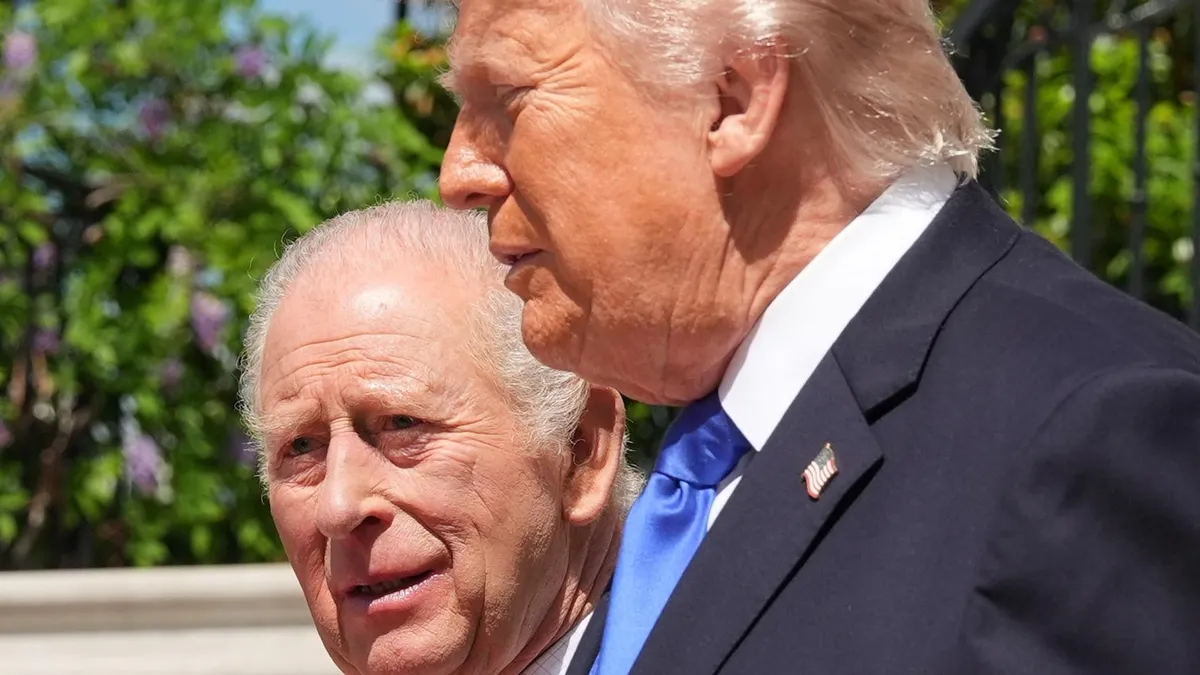
The United States visa system is facilitating Chinese espionage by providing easy access to individuals seeking to steal military and commercial secrets, senators charged during a congressional hearing on Wednesday, according to the South China Morning Post.
Republican Senator Ashley Moody of Florida was among the lawmakers who argued that permissive legal channels within the current immigration framework are effectively welcoming foreign actors who target American innovation.

"Inviting, welcoming, come on in with the red carpet rolled out" was how Moody described the current system's posture toward those allegedly engaged in theft of sensitive information, as reported by the South China Morning Post.
Technology competition as backdrop
The hearing took place against the backdrop of intensifying rivalry between Washington and Beijing over dominance in artificial intelligence and advanced technologies. Both nations have significantly escalated efforts to secure leads in these sectors, which are increasingly seen as central to economic and national security competition.
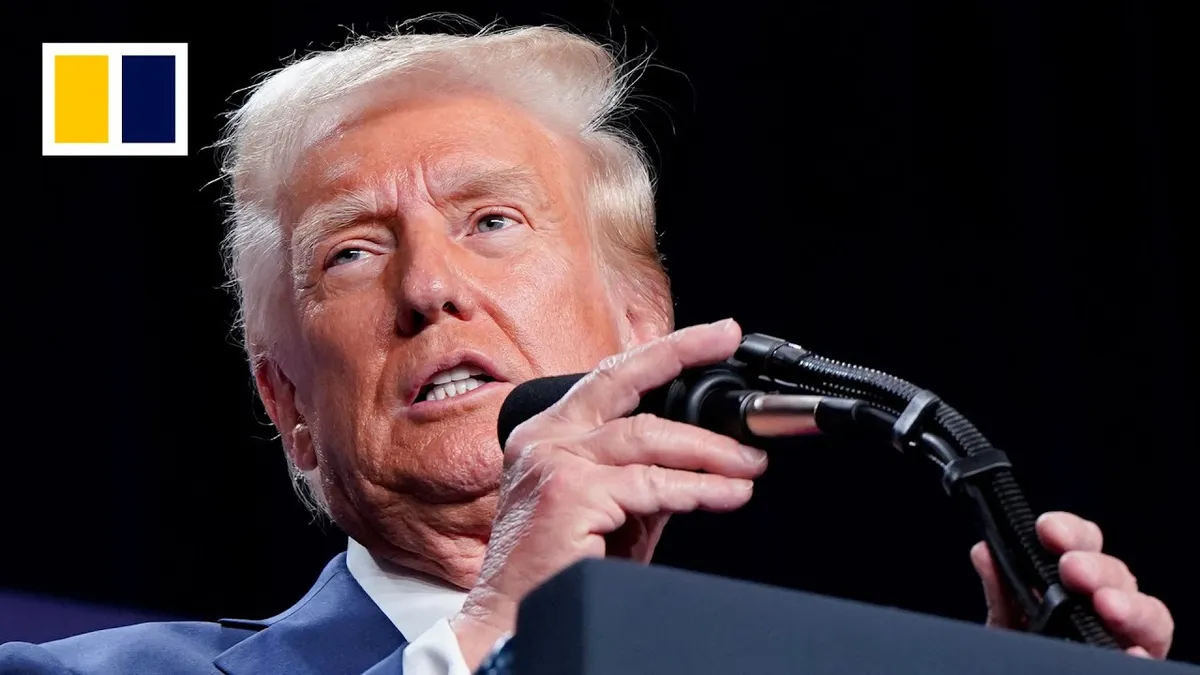
Senators at the hearing focused on what they described as systemic vulnerabilities in how the US processes and monitors visas, suggesting the current framework does not adequately account for the risk of state-sponsored espionage.
Broader context of US-China tensions
Concerns over Chinese espionage within the United States are not new. American law enforcement and intelligence agencies have repeatedly identified China as one of the most significant foreign intelligence threats facing the country. The FBI and Department of Justice have pursued numerous cases in recent years involving alleged theft of trade secrets, research data, and defense-related technology by individuals with ties to China.
Beijing has consistently denied engaging in state-sponsored espionage and has accused Washington of using national security concerns to suppress Chinese technological development.
The congressional hearing signals continued legislative attention to the issue, though no specific reform proposals were detailed in initial reports of the proceedings. Whether the hearing will lead to concrete changes in visa policy remains to be seen.