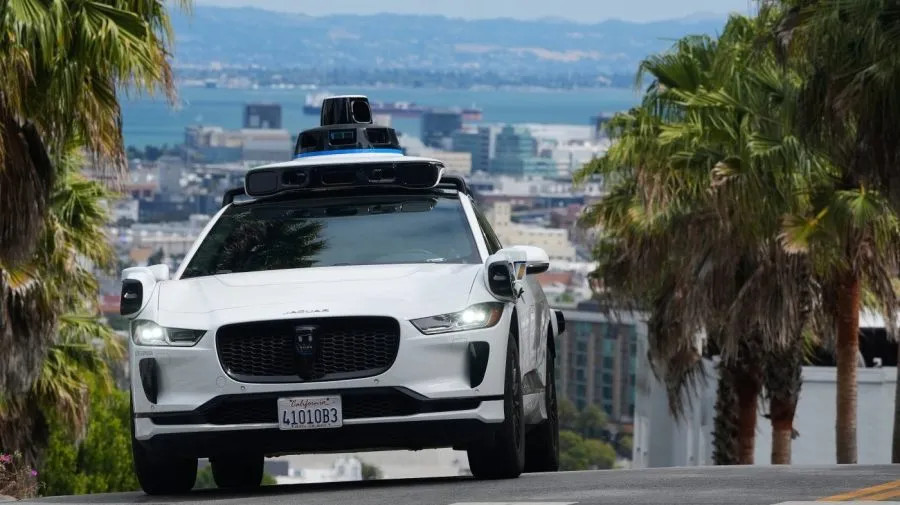
A new dominant trio is reshaping American transportation. Where General Motors, Ford and Chrysler once defined the U.S. automotive landscape, Waymo, Tesla and Uber are now staking their claim as the central players in the era of autonomous mobility, according to a report by Axios.
The shift reflects a broader transformation in how people and goods move. Autonomous driving technology, long viewed as a distant prospect, has arrived in commercial form. Robotaxis are now operating across roughly a dozen U.S. cities, with test programs running in many more. Driverless semi trucks are hauling freight on public roads.
A crowded but consolidating field
The race toward full autonomy has drawn in a wide range of competitors. Established automotive manufacturers, major technology companies, and numerous well-funded startups are all competing for a share of what is expected to be a large and lucrative market.
Despite the breadth of competition, Waymo, Tesla and Uber have emerged as the most prominent forces. Waymo, backed by Alphabet - Google's parent company - has built one of the most advanced robotaxi networks currently in public operation. Tesla is pursuing autonomy through its existing fleet of consumer vehicles and its artificial intelligence infrastructure. Uber, having previously sold its own self-driving unit, is now positioning itself as a platform through which autonomous vehicles from multiple providers can reach riders.

Why the comparison to the old Big Three matters
The original Big Three - GM, Ford and Chrysler - came to define not just an industry, but an era of American economic and industrial identity. Drawing a parallel to today's autonomous mobility leaders signals that analysts and industry observers believe the sector is entering a period of consolidation, where a small number of dominant players will set the terms for how the technology develops and reaches consumers.
The stakes extend beyond passenger transport. Autonomous freight hauling represents a significant commercial opportunity, and early movers in that space could lock in advantages in logistics infrastructure before the market fully matures.
Challenges remain
Despite the progress, the path to widespread autonomous transportation is not without obstacles. Regulatory frameworks vary significantly by state and city. Public trust in driverless systems remains uneven, particularly following high-profile incidents involving autonomous test vehicles in previous years. Questions around liability, data privacy and labor displacement also continue to generate debate among policymakers and advocacy groups.
The Axios report notes that the competition remains open, with automotive and technology giants alike investing heavily to avoid being left behind in what many in the industry regard as a generational shift in mobility.