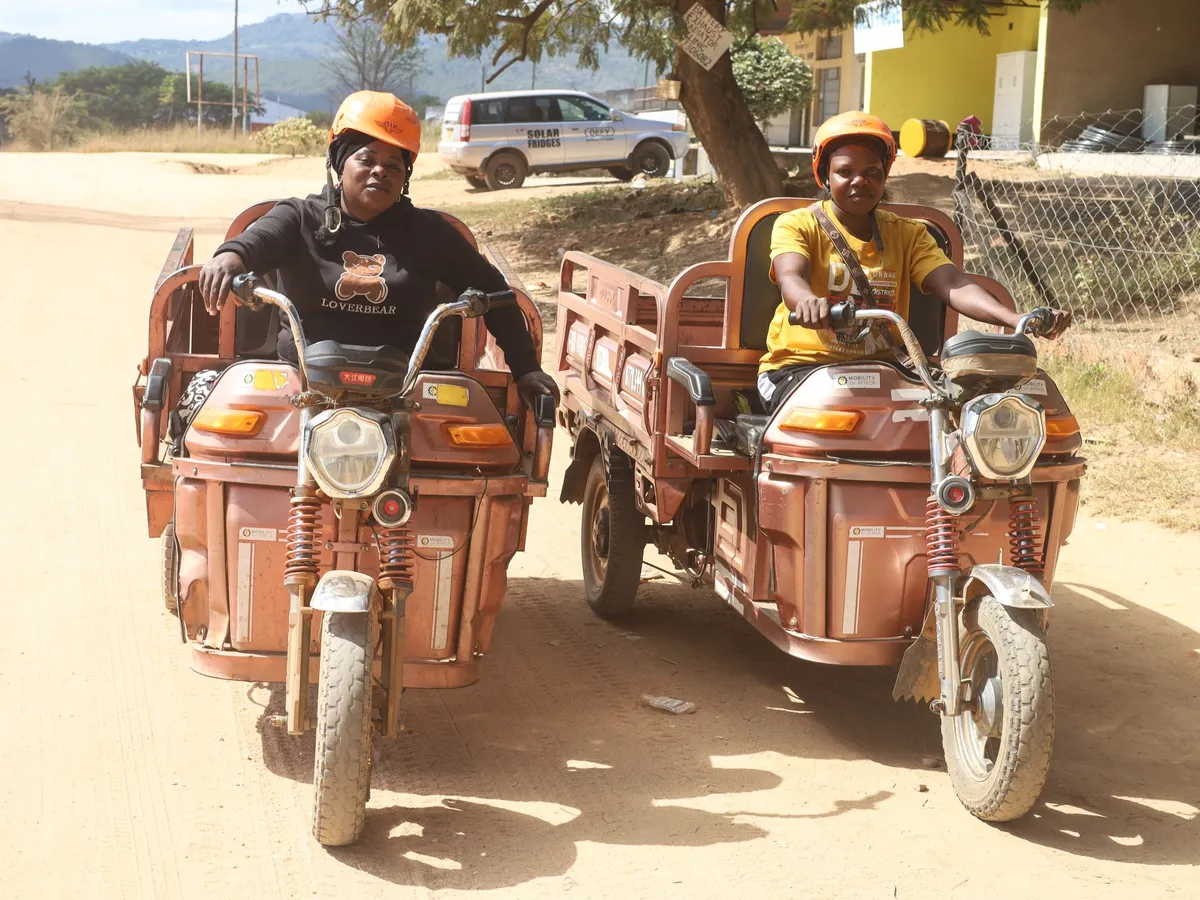
In what may be the most on-brand government move of 2025, Zimbabwe handed rural women a lifeline in the form of electric tricycles - and then quietly built a bureaucratic maze around it. According to a report by Al Jazeera, a scheme meant to boost economic independence for women in rural areas is now being squeezed from multiple directions: steep fees, confusing licensing requirements, and active police enforcement against riders.
The big idea that hit a very Zimbabwean wall
The e-tricycle program was, in theory, a genuinely good idea. Rural women - many of whom lack access to conventional transport - would get affordable, eco-friendly vehicles to move goods and people, generate income, and generally get a leg up in areas where the economy is as flat as the terrain is not. Electric tricycles are low-maintenance, cheap to run, and don't require fossil fuels. On paper, it's a win-win-win.
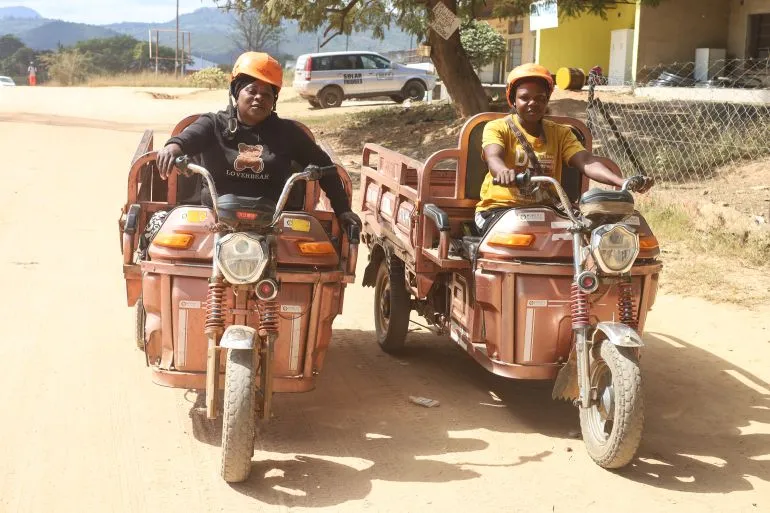
In practice, the scheme has reportedly run headlong into Zimbabwe's regulatory environment. Al Jazeera's reporting highlights that high fees associated with operating the tricycles are eating into the already thin margins these women rely on. Licensing rules - the kind that seem designed by someone who has never met a rural smallholder - are reportedly unclear or inaccessible for many users. And then there's the police enforcement, which has reportedly seen women stopped, fined, or had their vehicles confiscated for failing to comply with rules they may not have even known existed.
Who actually gets hurt here
The women affected aren't abstract policy beneficiaries - they are individuals who took on the responsibility of operating a vehicle, likely took on some form of debt or repayment scheme to access it, and are now finding themselves penalized for trying to make a living. The crackdown doesn't just threaten their income; it threatens the entire premise of the program.
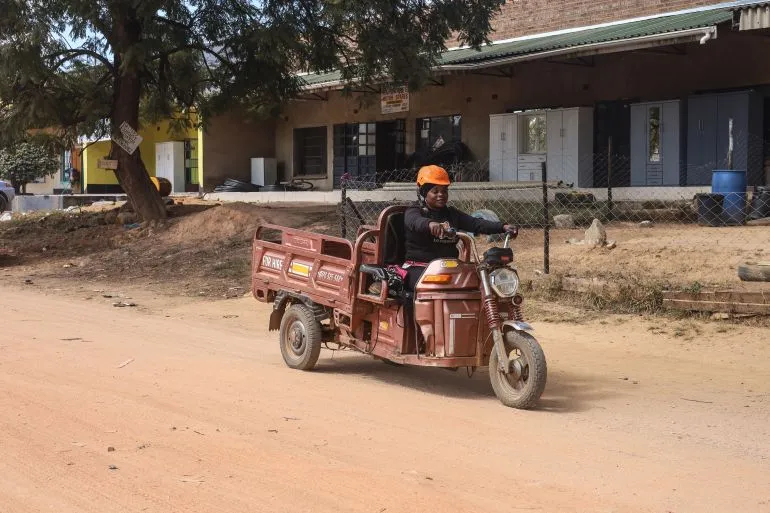
It's worth noting that this isn't a Zimbabwe-specific problem. Across sub-Saharan Africa, e-mobility initiatives targeting low-income and rural populations frequently collide with regulatory frameworks built for a different era and a different class of road user. The technology moves faster than the paperwork, and the people with the least political leverage end up absorbing the cost of that gap.
The uncomfortable punchline
The cruelest irony here is that the scheme presumably involved some level of government support or approval to get started - making the enforcement actions feel less like rule of law and more like the state tripping over its own feet while someone else pays the price.
Al Jazeera's full report is worth reading for the ground-level detail on how this is playing out for the women involved.