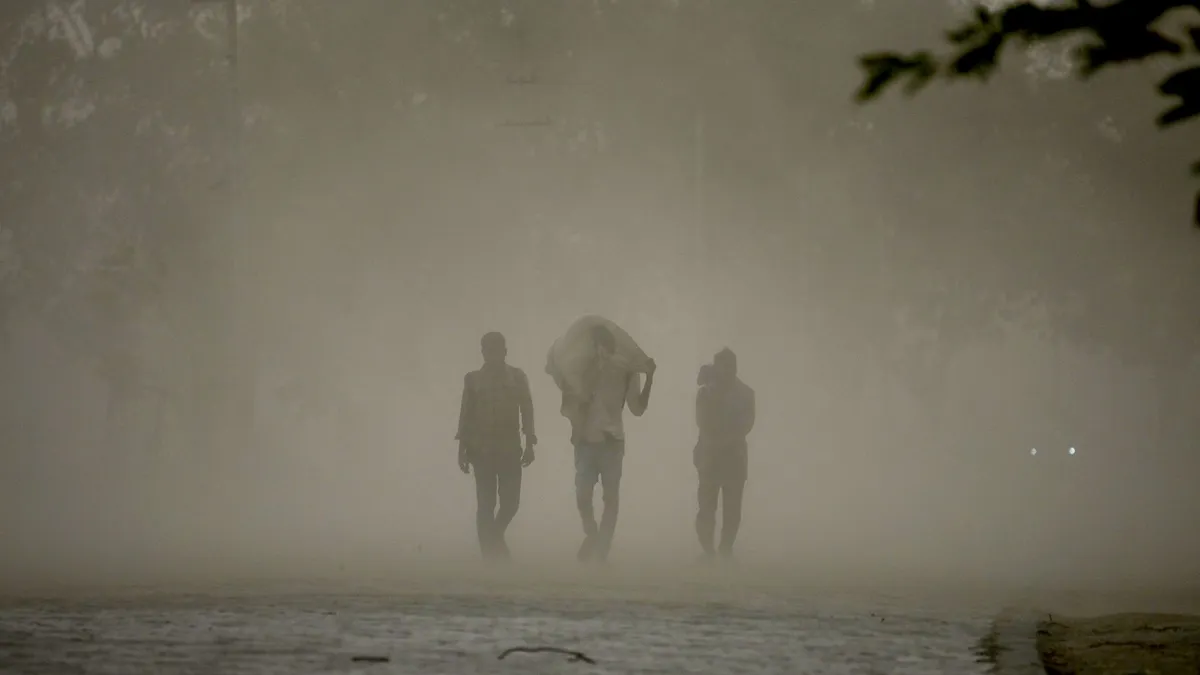
A devastating storm has ripped through Uttar Pradesh, India's most populous state, killing over 100 people in what can only be described as one of nature's worst mood swings in recent memory, according to a report by Sky News.
The violent weather event tore through the densely packed region, leaving a trail of destruction and a death toll that continued to climb as authorities assessed the full scale of the disaster. Uttar Pradesh, home to roughly 240 million people, is no stranger to extreme weather - but this storm hit with a particular ferocity that caught communities off guard.
When the sky decided enough was enough
Storms of this intensity are unfortunately not unheard of in this part of South Asia, particularly during seasonal transition periods when atmospheric conditions can go from "perfectly fine" to "absolute chaos" in a matter of hours. The sheer population density of Uttar Pradesh means that when disaster strikes, the human cost is almost always staggering.
Rescue and relief operations were mobilised in the aftermath, with local authorities working to account for the missing and provide assistance to those displaced or injured by the storm's fury.
Why this keeps happening
India has been battling increasingly erratic and intense weather events in recent years, a pattern that climate scientists have linked to broader shifts in regional climate systems. Uttar Pradesh, which sits in the vast Indo-Gangetic Plain, is particularly vulnerable to powerful storms during pre-monsoon and monsoon seasons when hot, dry air collides with incoming moisture-laden winds.
The combination of extreme heat buildups and sudden atmospheric instability can produce the kind of violent squalls and thunderstorms that do not give people much time to seek shelter - especially in rural areas where early warning infrastructure remains limited.
The numbers that matter
- Over 100 confirmed fatalities reported, per Sky News
- Uttar Pradesh has a population of approximately 240 million people, making it India's largest state by population
- The state has previously suffered deadly storm events, including a 2018 dust storm that killed over 100 people in a single night
As relief efforts continue, the disaster is once again putting a spotlight on the urgent need for improved early warning systems and disaster preparedness in one of the world's most densely populated regions. Because apparently Mother Nature did not get the memo that 2025 was supposed to be a chill year.
Source: Sky News