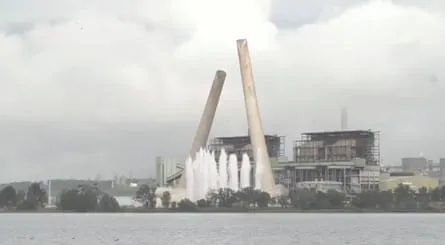
Somewhere in Australia, a massive coal power station chimney just got blown up. At almost the exact same moment, the country's energy minister was at a podium announcing electricity prices had dropped by up to 10% in some parts of the country. If that is not the most perfectly choreographed "we told you so" moment in renewable energy history, it is at least top five.
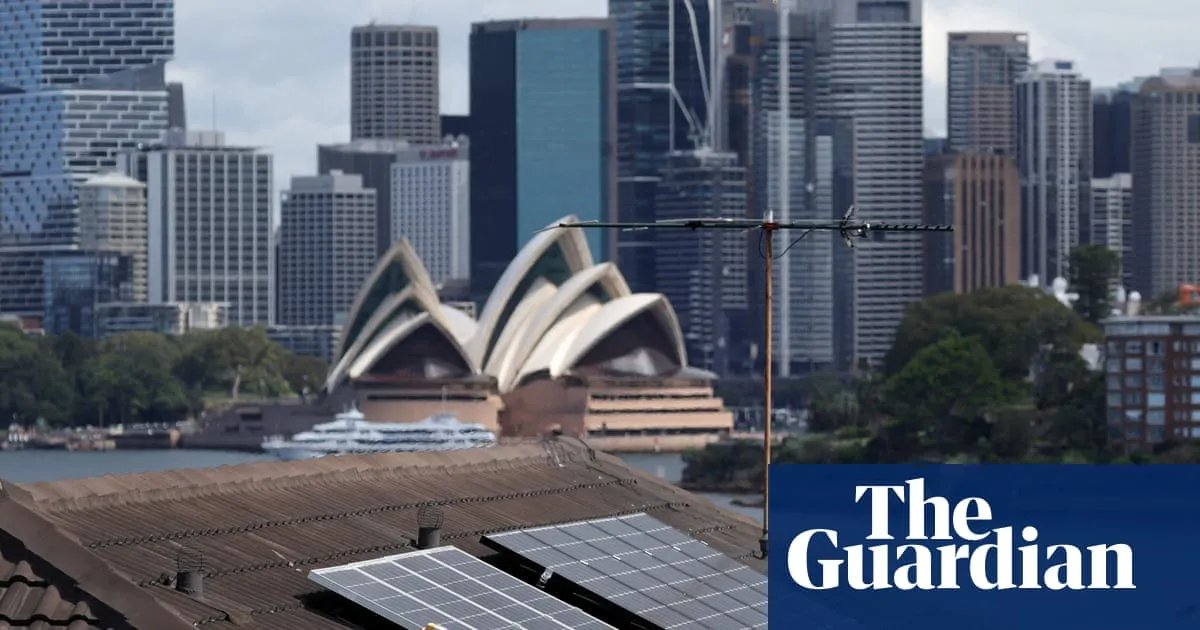
According to a report by The Guardian, Australia is fast becoming a global case study in what happens when home batteries, rooftop solar, and halfway-sensible policy decisions actually show up to the same party. The result? A household energy revolution that could have serious implications not just for Australian power bills, but potentially for how the rest of the world thinks about grid infrastructure.
So what is actually happening down under?
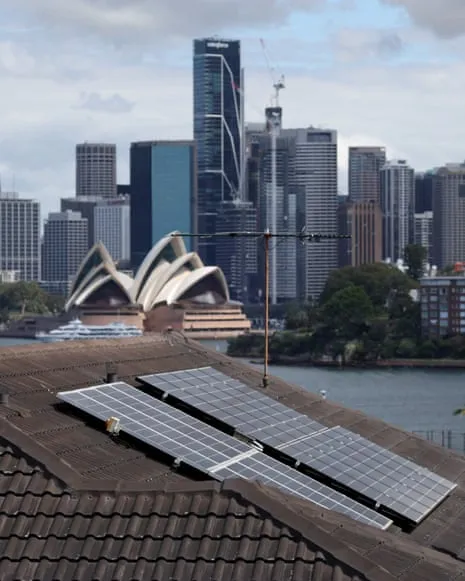
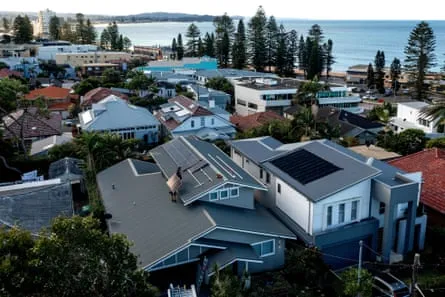
Australia has one of the highest rates of rooftop solar adoption on the planet - a fact that is either inspiring or deeply embarrassing depending on where you live. But solar alone has always had a rather obvious flaw: the sun, inconveniently, does not shine at night. Enter the home battery, which is quietly becoming as normal as a water heater in many Australian households.
The combination of widespread solar generation feeding into home storage systems is beginning to reshape how the grid functions, reducing dependence on large centralised power plants - including, apparently, the ones now being theatrically demolished.
The timing was almost too good
As The Guardian notes, the symbolism of the moment was hard to miss. While Europe and Asia were baking through intense heatwaves and global oil markets were doing their usual nervous-breakdown routine, Australia was literally watching old fossil fuel infrastructure get knocked down while announcing cheaper power prices. It reads like the opening of a climate documentary that somehow has a hopeful second act.
Why should anyone outside Australia care?
Because Australia is basically running a giant real-world experiment in what a renewables-plus-storage grid actually looks like at scale, with real consumers, real weather extremes, and real political messiness. If the model works - and early signs suggest it is working - it becomes a policy blueprint that other countries can study, adapt, and implement without needing to figure everything out from scratch.
Cheaper bills, fewer emissions, and the visual satisfaction of watching a coal chimney fall over on cue. Australia may have just accidentally made the world's most compelling energy advertisement.