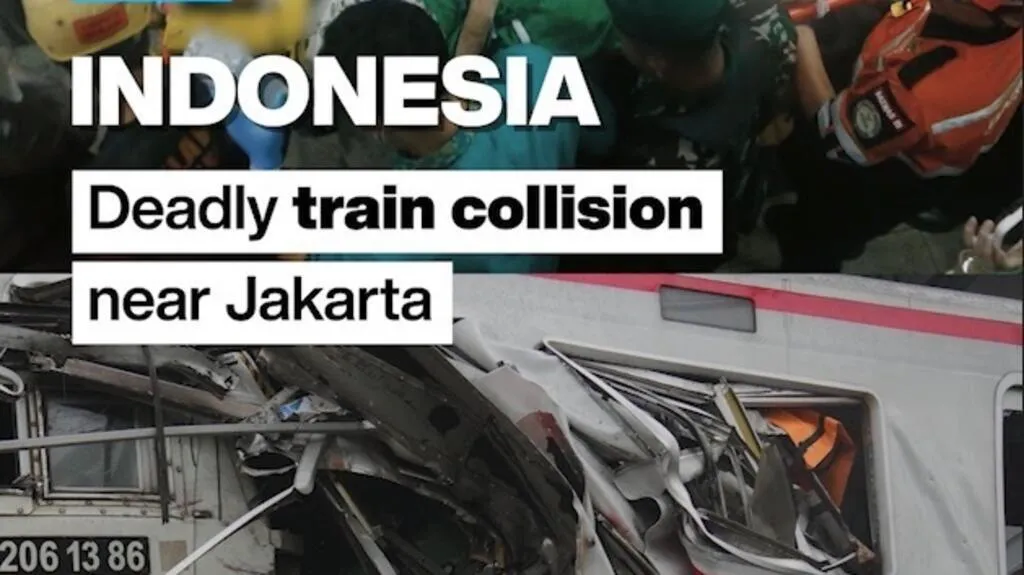
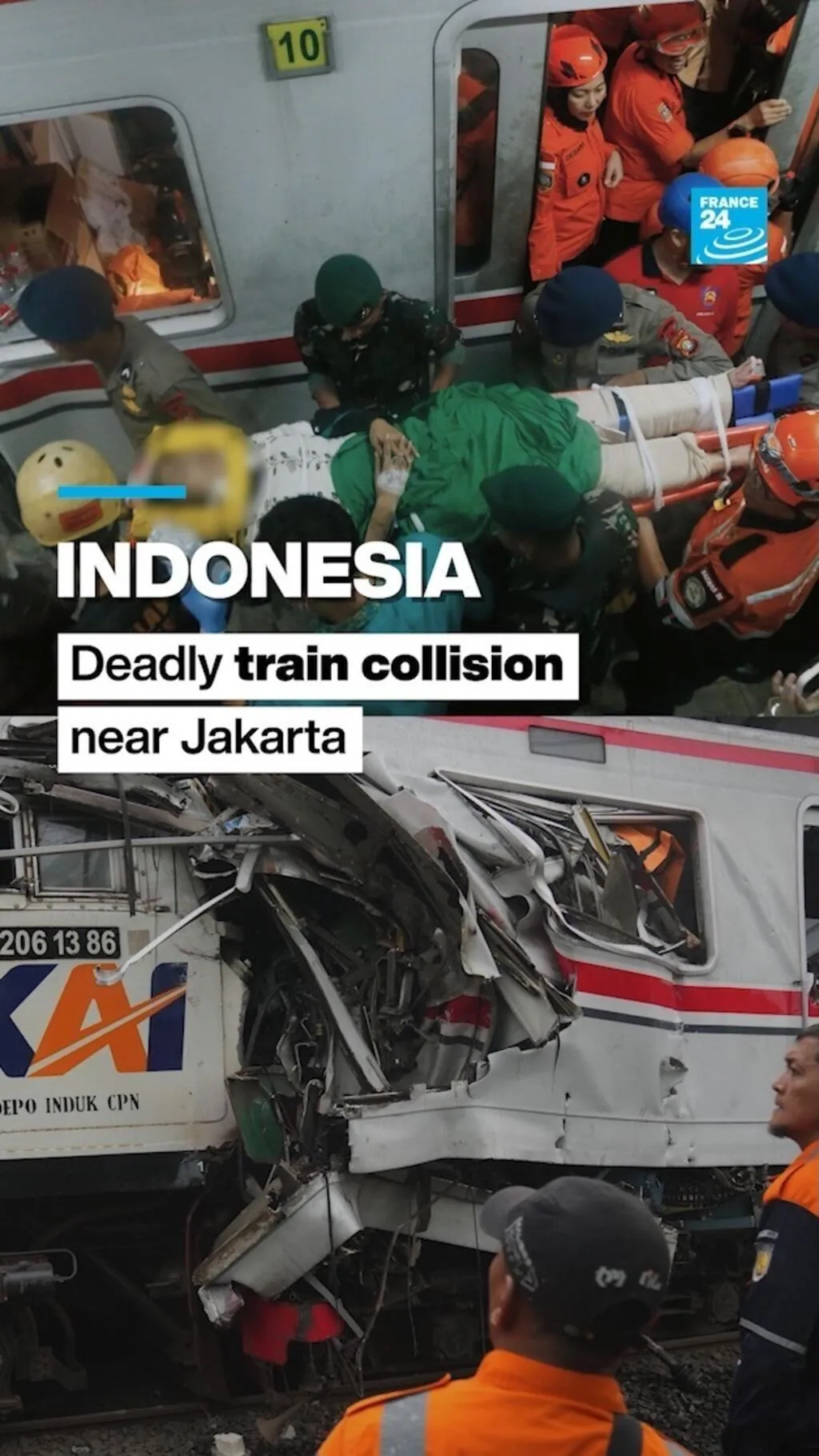
A catastrophic chain-reaction train collision near Jakarta on Monday evening has killed 15 people and injured 88 others, according to reporting by France 24. In a grim statistical footnote that investigators will likely need to reckon with, all 15 victims were women.
The sequence of events reads like a textbook case for why unmonitored level crossings are so dangerous. A commuter train struck a vehicle at one such crossing and was forced to stop on the tracks. Before passengers could fully process what had happened, a long-distance train barreled into the stationary commuter train from behind - with predictably devastating results.
Trapped in the wreckage
Survivor Sausan Sarifah described the harrowing experience to France 24: "I thought I was going to die. We were trapped, but thank God, I made it out. It feels like a dream." Her account captures what dozens of survivors faced - the terrifying reality of being pinned inside mangled train cars while rescue teams worked to reach them.
Political fallout and safety questions
Indonesia's president has responded by ordering a formal investigation into the incident and calling for tighter safety measures at level crossings across the country. That last part is doing a lot of heavy lifting, given that unmonitored crossings - where no barriers, signals, or staff exist to warn road users of approaching trains - remain widespread throughout Indonesia's rail network.
The Jakarta metropolitan area is one of the most densely populated urban regions on Earth, and its rail infrastructure has struggled to keep pace with demand. While the commuter rail system has seen significant investment in recent years, the interaction points between road and rail traffic remain a persistent weak link - as Monday's disaster has once again demonstrated at terrible cost.
A familiar tragedy
Level crossing accidents are not a uniquely Indonesian problem, but the country has seen repeated incidents that point to systemic gaps in rail safety enforcement. Whether the president's call for "tighter safety measures" translates into concrete infrastructure upgrades - or quietly fades into the background noise of bureaucracy - remains to be seen.
For the families of 15 women who boarded a commuter train on a Monday evening and never came home, the answer to that question matters enormously.