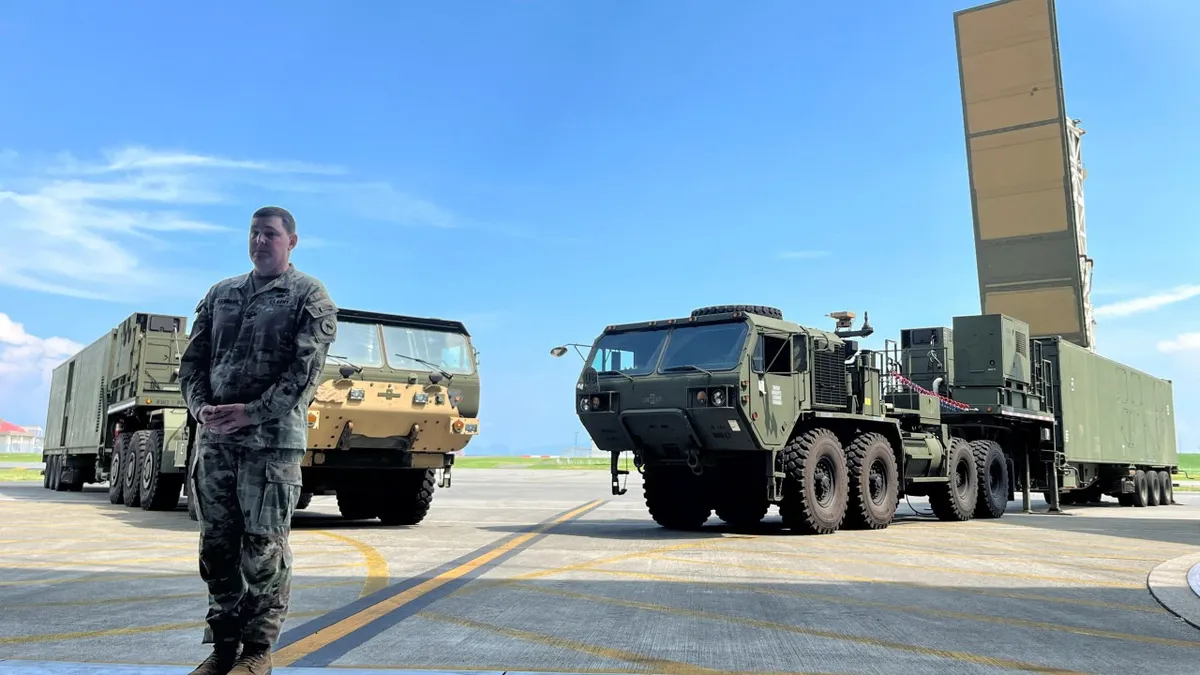
The United States military is planning to deploy two of its most talked-about missile systems to Japan as early as next month, in what sources are describing as a deterrence move so pointed it practically comes with a neon sign that reads 'this means you, Beijing.'
According to sources cited by the South China Morning Post, the US will send both its Typhon midrange missile launcher and its HIMARS rocket artillery system to the Maritime Self-Defence Force's Kanoya Airbase in Kagoshima prefecture, located in Japan's southwestern region. The deployment is set to take place during two joint exercises - Valiant Shield and Orient Shield - scheduled to run between June and September.
So what exactly is showing up?
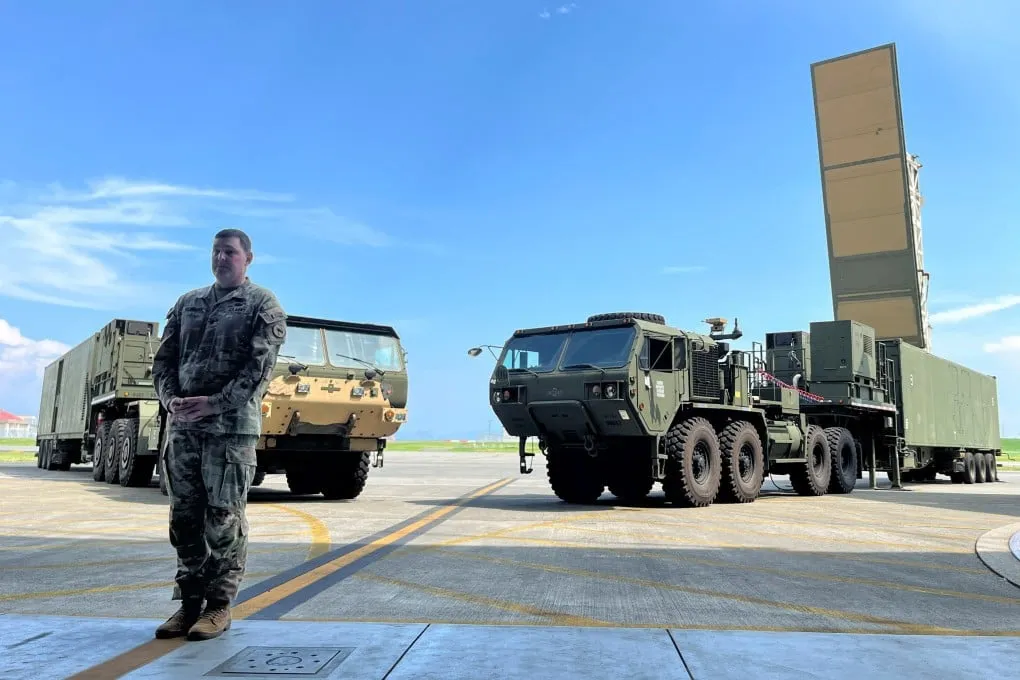
For the uninitiated, the Typhon launcher is essentially the US Army's answer to the question 'what if we put Tomahawk cruise missiles and SM-6 interceptors on a truck?' It is a ground-based midrange capability system that caused quite a stir when it was deployed to the Philippines in 2024 - a deployment that Beijing loudly protested at the time. The HIMARS, meanwhile, is the multiple-launch rocket system that became something of a celebrity weapon during the Ukraine conflict, known for its precision strike capabilities at ranges that make adversaries deeply uncomfortable.
Why Kagoshima?
The location is no accident. Kagoshima prefecture sits at the northern end of the Ryukyu island chain, which stretches southwest toward Taiwan. Positioning advanced strike systems there places them within range of potential flashpoints in the Taiwan Strait and the broader East China Sea - the very areas where US-China tensions have been running at a sustained simmer for years.
Japan's southwestern islands have increasingly become a strategic focus for both Tokyo and Washington as concerns about a potential Taiwan contingency have grown more concrete in military planning circles.
The bigger picture
This deployment fits into a broader pattern of the US military 'island-hopping' its most capable systems around the Indo-Pacific in a deliberate effort to complicate any potential adversary's military calculus. The Typhon system in particular appears to be doing a regional tour - after its controversial Philippines stint, landing it in Japan sends a message that Washington intends to normalize the presence of such capabilities across the first island chain.
China has consistently framed such moves as destabilizing and provocative, though US and Japanese officials would argue that is rather the point of deterrence - making the costs of aggression obvious and credible before anyone does anything rash.
The joint exercises themselves are routine in name, but with hardware like this showing up, the 'routine' framing is doing some very heavy lifting.