Jawad Younes was 11 years old and doing what 11-year-olds do: kicking a ball around with his cousins in the open lot between their houses in Lebanon. Minutes later, an Israeli airstrike hit. Jawad and at least one of his cousins did not survive.
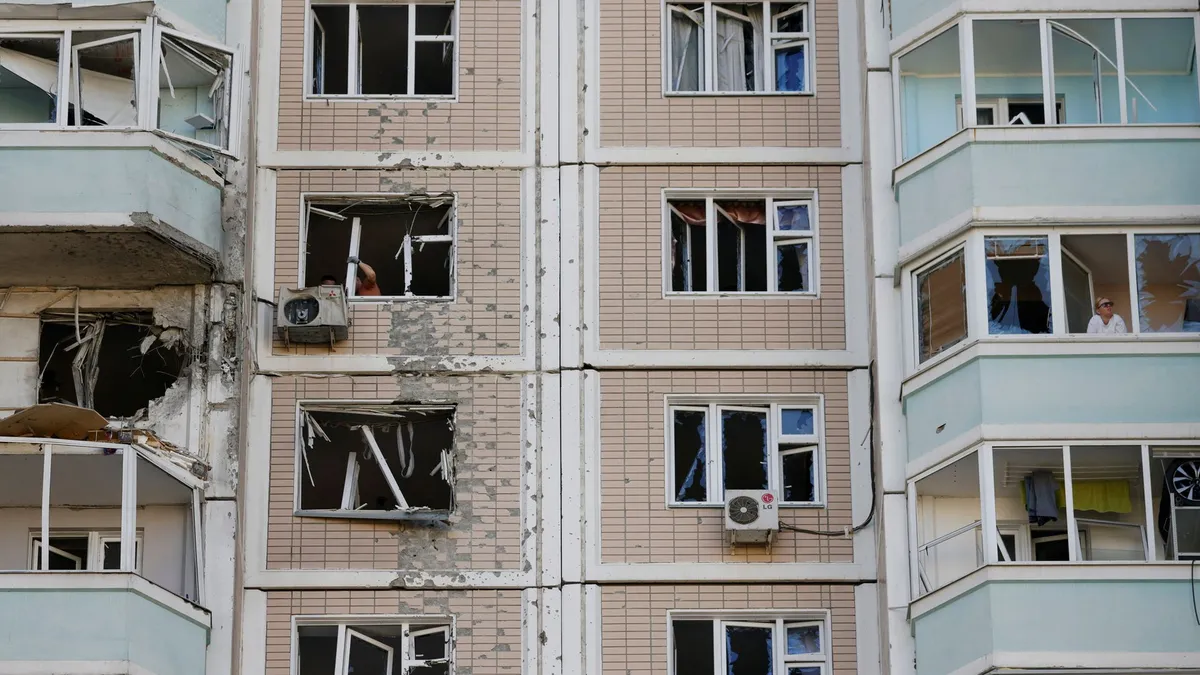
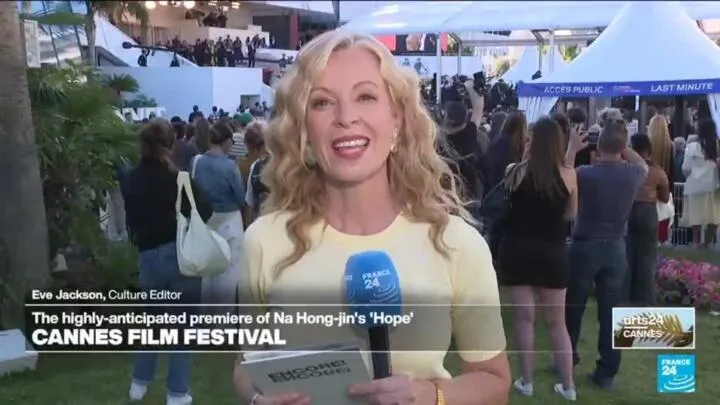
Their story, reported by France 24, is one of 168 such stories - 168 children killed in Lebanon over just six weeks of renewed fighting between Israel and Iran-backed Hezbollah. The total death toll across that period has surpassed 2,100 people, according to the same reporting.
Numbers that are hard to sit with
Six weeks. 168 children. That works out to roughly four children killed every single day. The figures come from France 24's coverage published in April 2026, drawing on casualty data from the ongoing conflict that reignited after an earlier period of fragile calm.
Israel has framed its military campaign as targeting Hezbollah infrastructure and personnel in Lebanon. Hezbollah, designated a terrorist organization by the United States and European Union, is backed by Iran and has been firing rockets into northern Israel throughout the conflict. Both sides have claimed the other bears responsibility for civilian casualties.
A war with no shortage of real victims
What makes the France 24 report particularly striking is its refusal to let the death toll remain a statistic. Jawad's story grounds a number that could otherwise blur into abstraction. A soccer game. A courtyard. Cousins. Then nothing.
Lebanon's civilian population has repeatedly found itself caught between Israeli military operations targeting Hezbollah and Hezbollah's own entanglement in civilian areas - a situation human rights organizations have documented and criticized for years. Neither dynamic makes the outcome for children like Jawad any less final.
What comes next
As of the France 24 report, no ceasefire was in place and the fighting showed no immediate signs of stopping. International calls for restraint have so far produced little measurable change on the ground. The death toll, including the count of children, continues to rise.
For Jawad's family, the geopolitical framing probably matters very little. A kid who was playing soccer is gone. That part is not complicated.