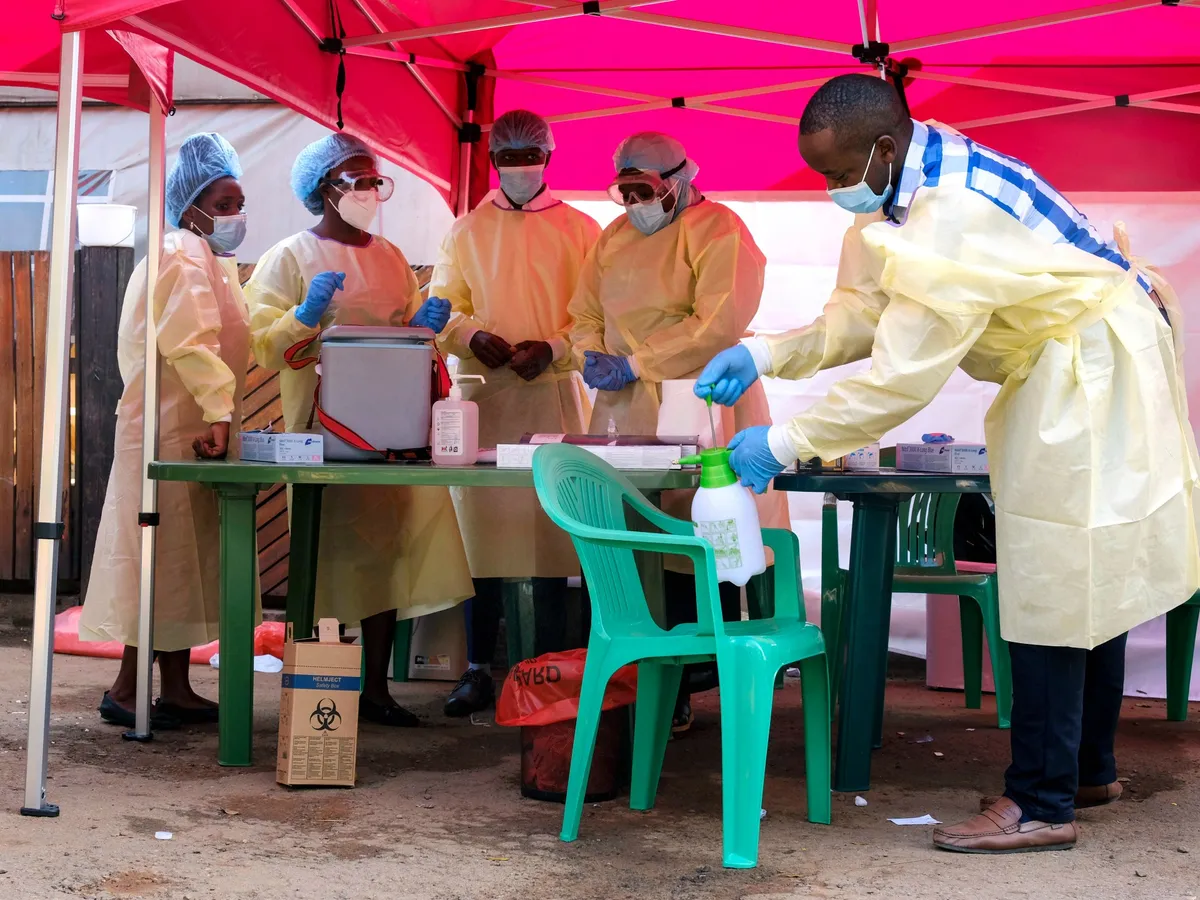
As if the Democratic Republic of Congo needed another catastrophe on its plate, a fresh Ebola outbreak has emerged in the northeastern part of the country, according to a report by Al Jazeera. Cases have been confirmed in the towns of Rwampara, Mongwalu, and Bunia - a region already buckling under the weight of armed conflict, displacement, and crumbling health infrastructure.
The worst possible timing (again)
Northeastern DRC is no stranger to Ebola. The 2018-2020 outbreak in the same general region was the second-largest in history, killing more than 2,200 people. Health workers fighting that outbreak faced not just the virus but active armed groups, community mistrust, and logistical nightmares that would make a military strategist sweat. The current resurgence lands in similarly difficult terrain - both literally and politically.
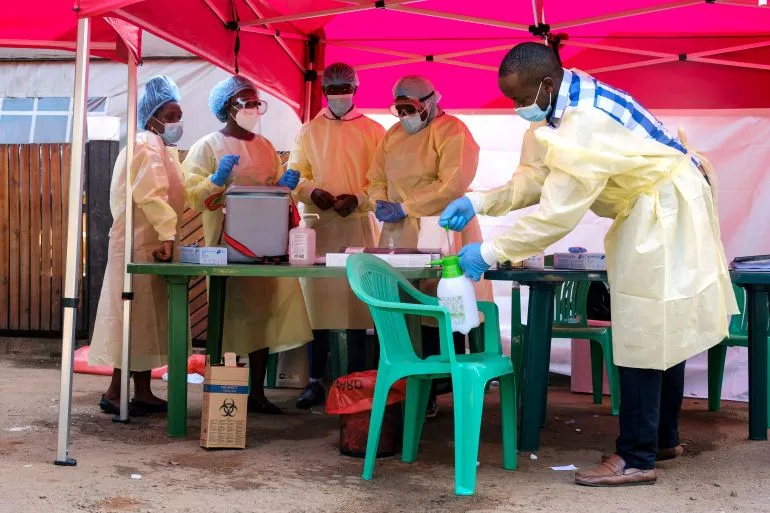
The broader humanitarian crisis in the DRC has been deteriorating sharply, with millions of people displaced by ongoing conflict in the east of the country. That means crowded displacement sites, overstretched medical teams, and supply chains that were already held together with duct tape and prayers. Ebola does not do well with any of those conditions. In fact, Ebola absolutely loves them.
What we know so far
Al Jazeera's reporting identifies three affected locations - Rwampara, Mongwalu, and Bunia - all situated in the Ituri province area of northeastern DRC. Bunia, the largest of the three, serves as a regional hub and has a somewhat more established health presence than the surrounding areas, though that is a relative term when you are talking about one of the most underserved regions on Earth.
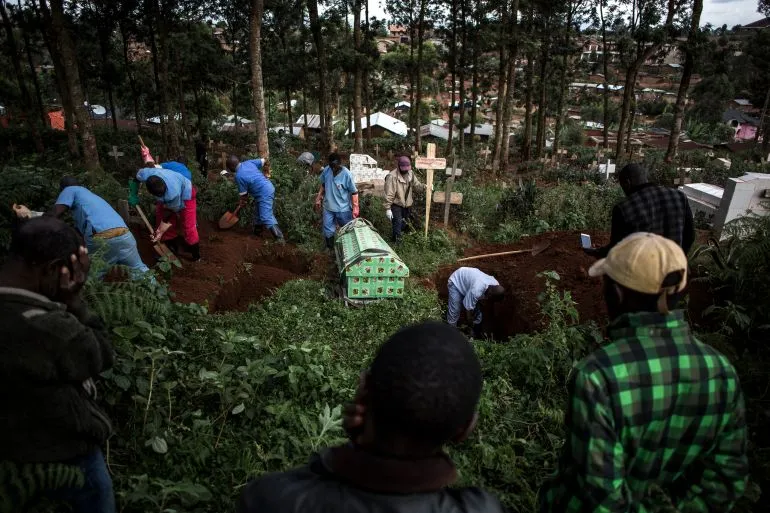
Ebola spreads through direct contact with bodily fluids of infected individuals, and is notorious for its high fatality rate when not treated promptly. The good news, such as it is, is that effective vaccines and treatments do exist - but getting them to the right people in a conflict zone is the kind of challenge that keeps epidemiologists up at night.
The bigger picture nobody wants to talk about
Global attention on the DRC has been inconsistent at best. Humanitarian funding gaps, geopolitical distractions elsewhere, and a sort of collective fatigue around Congo crises have left the region chronically under-resourced. An Ebola outbreak in this context is not just a health emergency - it is a flashing warning sign about what happens when the world repeatedly looks away from a slow-motion disaster.
Health organizations and aid agencies are expected to mobilize response efforts, though the scale and speed of that response remains to be seen. For the communities in Rwampara, Mongwalu, and Bunia, the wait is not abstract.