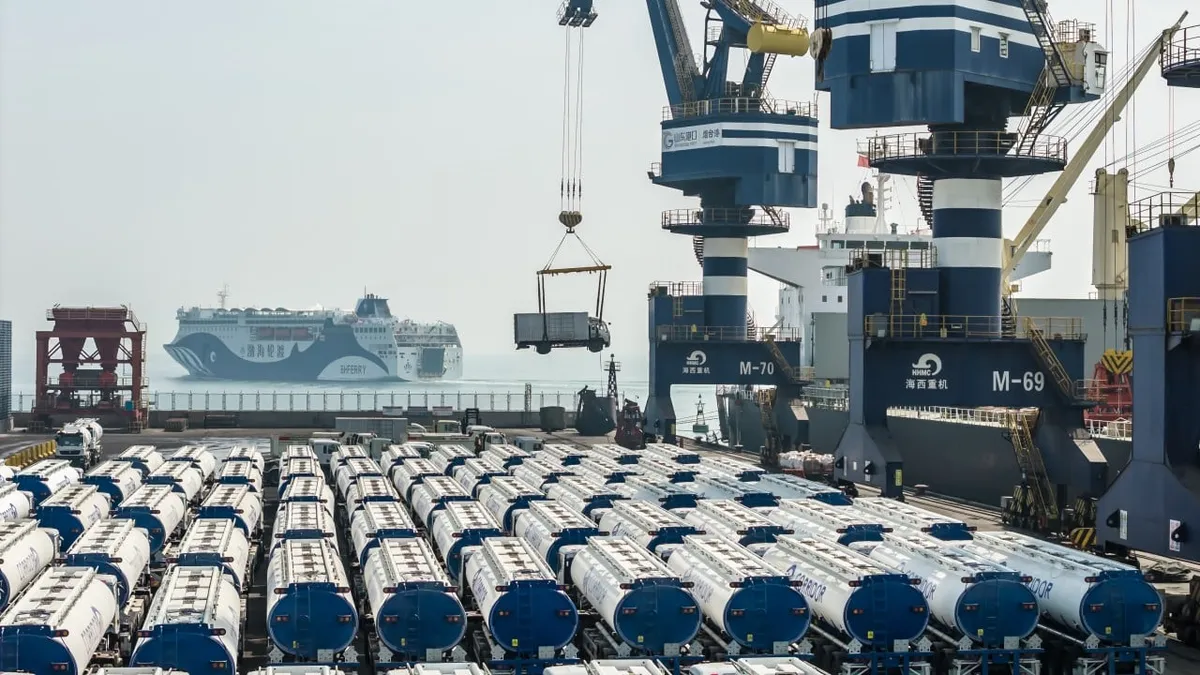
Africa emerged as China's fastest-growing export destination in the first quarter of 2026, with shipments rising 32.1 percent year on year to $60.66 billion, according to Chinese customs data cited by the South China Morning Post. The figure outpaced growth in every other major regional market.
The surge reflects a broader realignment of Chinese trade flows as manufacturers seek alternative markets amid ongoing tensions with the United States. Analysts have pointed to policy volatility in Washington under the Trump administration as a key factor accelerating the shift.
What is driving the growth
The increase was led by high-value categories including machinery, vehicles, and hi-tech equipment. Clean energy products - particularly solar panels and battery technology - featured prominently among the shipments, according to the Post's reporting on Chinese customs figures.
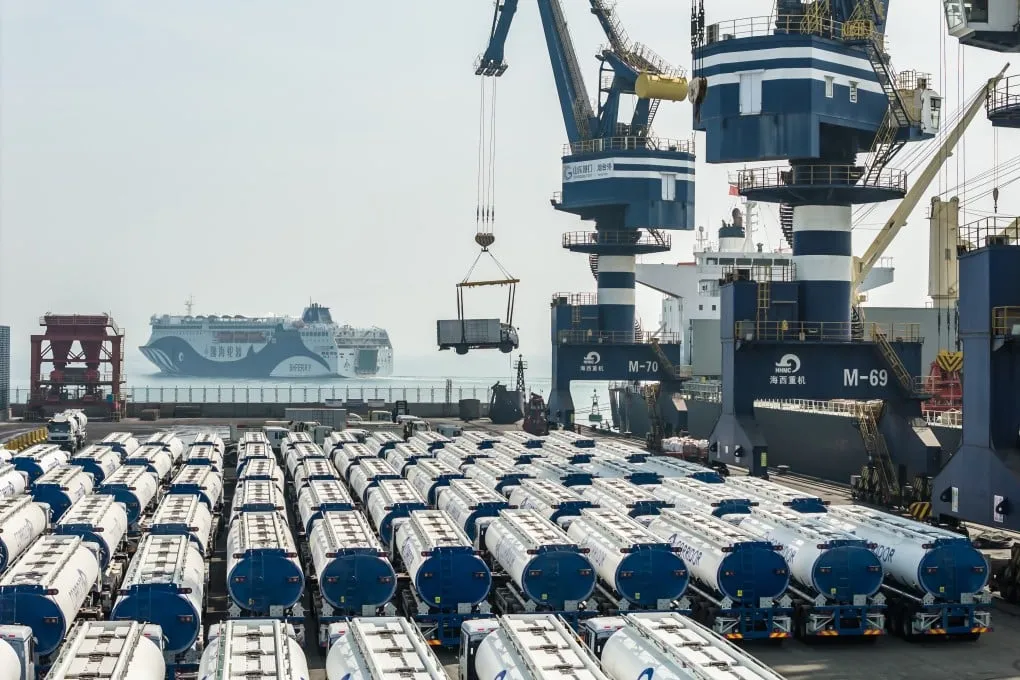
The data suggests Chinese manufacturers are using the African continent as an outlet for excess industrial capacity, continuing a trend that predates but has been amplified by current US-China trade friction.
Context: A shifting trade landscape
China has long been Africa's largest trading partner, but the pace of export growth in early 2026 marks a notable acceleration. The 32.1 percent quarterly increase represents a significant jump beyond what analysts had previously projected for the region.
The pattern aligns with a wider strategy by Chinese exporters to diversify away from markets vulnerable to American tariffs or trade restrictions. Southeast Asia, Latin America, and the Middle East have also recorded increased Chinese trade activity in recent quarters, though Africa's growth rate exceeded those regions in the period covered by the data.
Implications for African economies
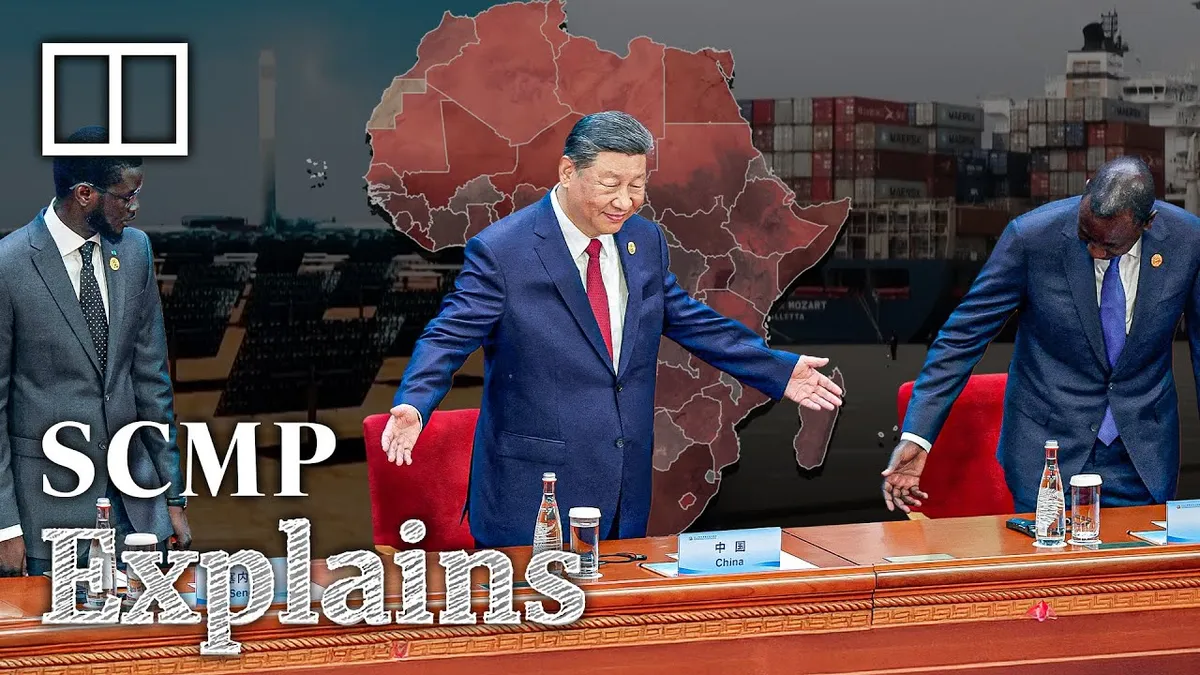
The influx of Chinese goods at scale carries both opportunities and risks for African nations. Increased access to affordable solar and battery technology could support infrastructure and energy development goals across the continent. At the same time, a flood of low-cost imported manufactured goods has historically raised concerns among local producers about competition and the long-term development of domestic industry.
The trend also positions Africa as an increasingly important variable in the broader US-China economic rivalry, as both powers compete for influence across the continent through trade, investment, and diplomatic engagement.
The South China Morning Post report did not include official comment from Chinese trade authorities or African government representatives on the figures.