Senior officials from the world's most powerful central banks and finance ministries are set to participate in a crisis simulation exercise in Washington, designed to test how regulators would respond to the collapse of a globally significant financial institution, according to reporting by The Guardian.
The exercise, scheduled for Saturday, will involve top figures from the US Federal Reserve, the European Central Bank and the Bank of England, alongside treasury officials from each respective jurisdiction. The scenario is modeled on the kind of systemic shock last seen during the 2008 financial crisis, when the collapse of Lehman Brothers triggered a global economic meltdown.
Why now?
The timing of the exercise reflects heightened concern among financial authorities about the resilience of the global banking system. Regulators have grown increasingly uneasy about potential vulnerabilities that could destabilize major institutions, prompting the need to stress-test not just banks themselves, but the decision-making frameworks of the officials responsible for managing any fallout.
War games of this nature are designed to expose gaps in coordination and communication between national authorities - factors that proved critically important during the 2008 crisis, when a lack of unified international response contributed to the severity of the downturn.
What the exercise involves
The simulation places participants in a scenario where a bank of systemic global importance faces imminent collapse. Officials must then work through the decisions and communications required to contain the damage, including potential bailouts, emergency liquidity measures and cross-border coordination.
Such exercises have become a standard tool among financial regulators since the 2008 crisis prompted a sweeping overhaul of the global banking regulatory architecture, including the creation of so-called resolution frameworks intended to allow failing banks to be wound down without triggering wider panic.
Broader context
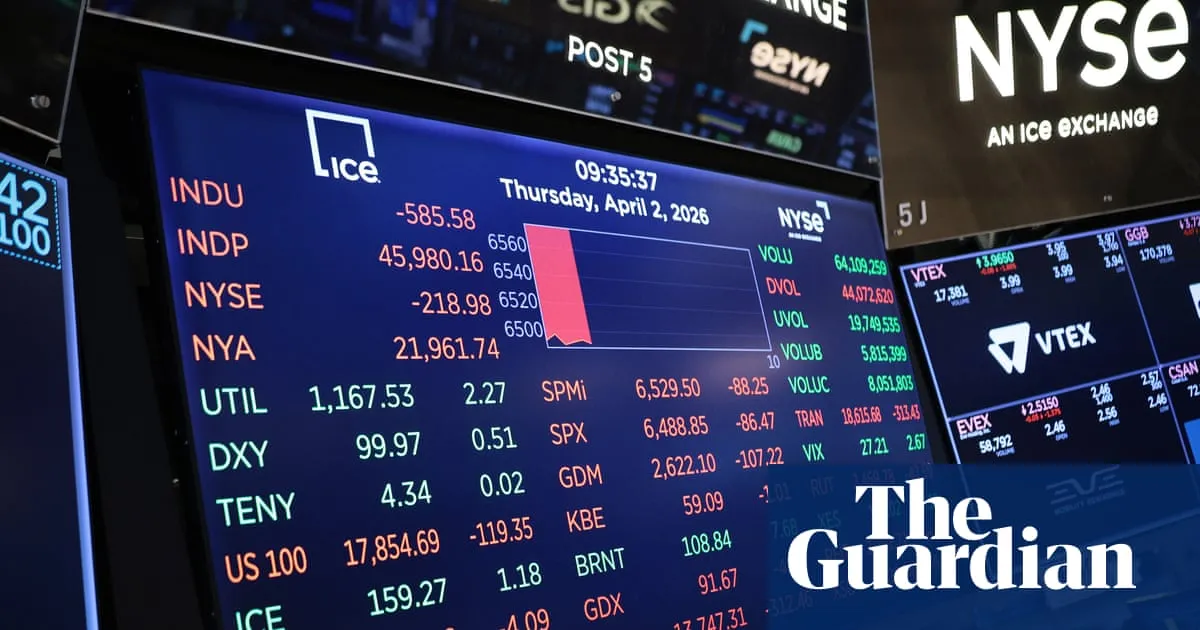
The exercise comes at a period of notable stress in global markets. Trade tensions, elevated interest rates in major economies and pockets of instability in regional banking sectors have all contributed to a more cautious outlook among financial policymakers.
The involvement of the most senior levels of central bank and treasury leadership - rather than mid-level staff - signals the seriousness with which officials are approaching the current risk environment. Previous iterations of similar exercises have typically involved lower-ranking officials.
No specific institution has been identified as a concern in connection with the exercise, and the simulation is described as a routine but high-level preparedness drill rather than a response to any immediate threat.