More than 30 people were killed in central Mali on Thursday following two separate attacks attributed to Al-Qaeda-linked militants, according to local, security, and administrative sources cited by France 24. The strikes were claimed by JNIM - the Group for the Support of Islam and Muslims - the regional franchise of Al-Qaeda that has been steadily tightening its grip on the Sahel.
Twin attacks, one very bad day
The two coordinated strikes hit central Mali in quick succession, painting a grim picture of a country struggling to contain an insurgency that refuses to quit. Local, security, and administrative sources confirmed the death toll, though the situation on the ground remains fluid and figures could rise.
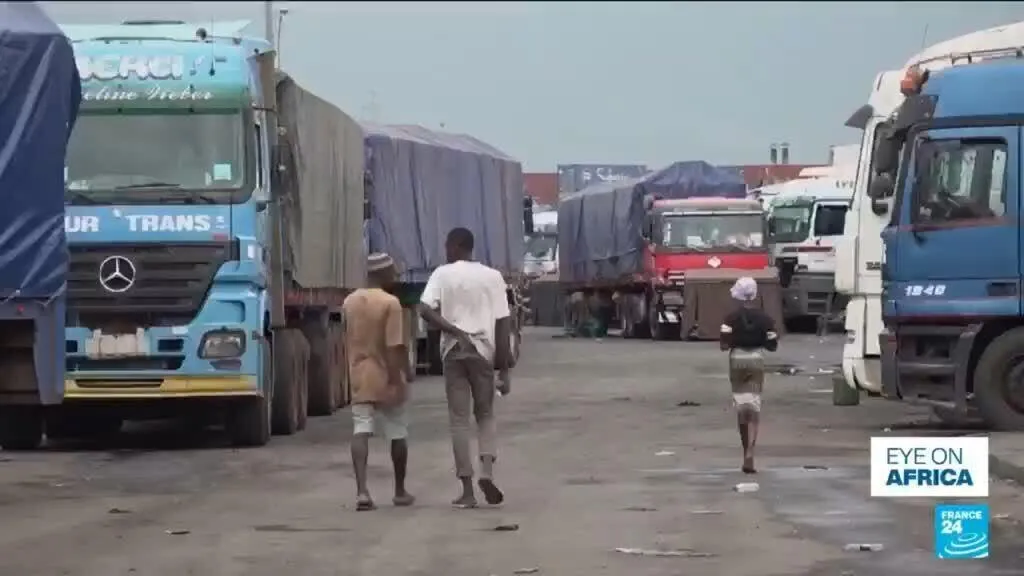
This latest bloodshed comes hot on the heels of recent coordinated assaults on military positions across the country, suggesting JNIM is not exactly phoning it in on the operational front. If anything, the group appears to be escalating - not a great sign for a nation that has already been through two military coups and counting.
Mali's security spiral
For context, Mali has been a front-row seat to the Sahel's slow-motion security catastrophe for well over a decade. After the French-led Barkhane operation packed up and left following a diplomatic fallout with Mali's military junta, the government pivoted to Russian mercenaries from the Wagner Group - now rebranded under various names following the death of its founder Yevgeny Prigozhin.
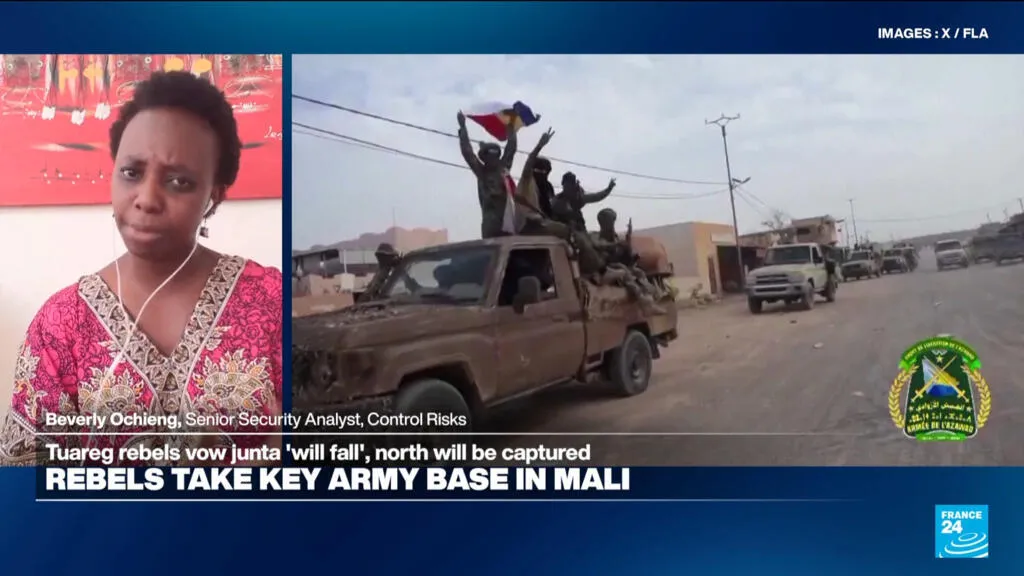
The results, to put it diplomatically, have been mixed. Critics argue the Wagner partnership has done little to stem the jihadist tide while simultaneously generating alarming reports of civilian abuses. The militants, meanwhile, have used the strategic shuffle to expand their reach across central and northern Mali.
JNIM's growing ambition
JNIM has been particularly active in recent months, targeting both military and civilian populations across Mali, Burkina Faso, and Niger - the three junta-led states that collectively withdrew from the Economic Community of West African States (ECOWAS) and formed their own alliance. Security analysts have warned that the group is growing more sophisticated in its targeting and coordination, and Thursday's twin strikes do little to challenge that assessment.
The international community, having largely been shown the door by the region's military governments, is watching from a frustrating distance as the humanitarian situation deteriorates. For the people of central Mali, though, geopolitical chess matches are cold comfort when your neighbors just became a statistic.