Iran has accused the United States of violating the terms of a fragile ceasefire agreement after President Donald Trump directed the US Navy to ensure safe passage for commercial vessels through the Strait of Hormuz, according to reporting by The Hill.
The accusation came from Iran's Parliament Speaker Mohammad Bagher, who warned that a new dynamic in the strategic waterway was taking shape. "The new equation of the Strait of Hormuz is in the process of being solidified," Bagher reportedly stated, signaling Tehran's intent to assert its position in the region.
A critical chokepoint
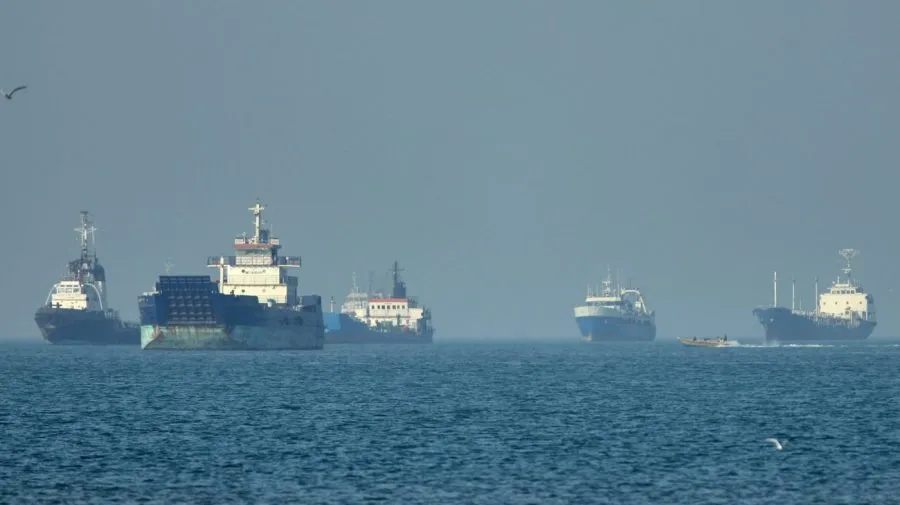
The Strait of Hormuz is one of the world's most strategically significant maritime corridors. Roughly 20 percent of global oil supplies pass through the narrow waterway, which separates Iran from the Arabian Peninsula. Control over - or disruption of - shipping in the strait has long been a point of leverage for Tehran in its dealings with the West.
Trump's directive to the Navy was framed by the administration as a measure to protect commercial shipping and uphold freedom of navigation, a longstanding US policy position in international waters. However, Iranian officials interpreted the move as an aggressive act incompatible with ceasefire commitments.
Fragile diplomatic ground
The accusation highlights how quickly the diplomatic situation between Washington and Tehran can deteriorate. The ceasefire between the two countries had already been described as fragile, and Iran's response to the naval directive suggests limited confidence in the agreement's durability on both sides.
The dispute centers on differing interpretations of what the ceasefire permits. The US position - that ensuring freedom of navigation is a routine and lawful military activity - contrasts sharply with Iran's framing of the naval presence as a provocation.
Regional implications
Any escalation around the Strait of Hormuz carries significant consequences beyond the two countries directly involved. A disruption to shipping through the waterway could affect global energy markets and supply chains, drawing in regional and international stakeholders.
Gulf states, European allies, and Asian economies that depend heavily on oil imports through the strait are closely monitoring the standoff. The situation also comes at a time of broader regional instability, adding pressure on diplomatic channels to prevent miscalculation.
Neither the White House nor the Pentagon had issued a formal public response to Iran's ceasefire violation claim at the time of reporting. The situation remains fluid, with both sides staking out firm positions over one of the world's most consequential stretches of water.