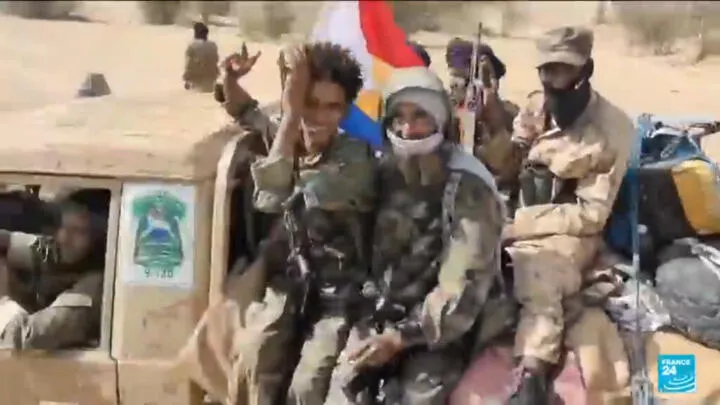
An Al-Qaeda-linked jihadist group claimed Saturday that its fighters had joined forces with Tuareg rebels to launch a series of coordinated attacks against the Malian military, according to reporting by France 24. The assault marked one of the most complex security incidents in years in the impoverished West African nation.
Military helicopters were deployed over the capital, Bamako, and circled near the city's international airport as fighting broke out at a nearby military base. The scale and coordination of the attacks across the country raised immediate concerns about the security situation under Mali's ruling junta.
A rare alliance of armed groups
The claimed partnership between an Al-Qaeda-affiliated organization and Tuareg rebel forces represents a notable convergence of two distinct armed movements that have long operated across Mali's vast territory. Tuareg groups have historically sought greater autonomy in northern Mali, while jihadist organizations have pursued a broader ideological campaign that has destabilized much of the Sahel region.
The combination of these two forces, if confirmed, would signal a potentially significant shift in the threat landscape facing the junta government, which seized power in a 2021 coup and has since expelled French and United Nations peacekeeping forces while turning to Russian private military contractors for security support.

Context: Mali's deepening instability
Mali has faced persistent armed conflict for over a decade, dating back to a 2012 Tuareg rebellion that opened the door for jihadist groups to seize large portions of the country's north. Despite various international military interventions and peace agreements over the years, violence has continued to spread into central and southern regions.
The ruling junta, led by Colonel Assimi Goita, has faced mounting pressure as insecurity has worsened since the withdrawal of foreign forces. Critics have argued that the government's security partnerships, including with the Wagner Group's successor organizations, have failed to contain the violence and have been accompanied by reports of human rights abuses.
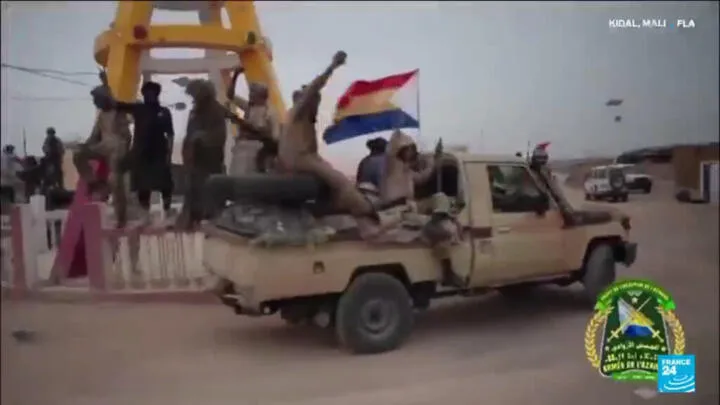
Saturday's attacks, which brought the conflict visibly into the capital region, underscored the challenges facing Malian authorities. Fighting near Bamako's international airport is particularly significant, as the capital has largely been shielded from the direct violence that has plagued the country's interior.
No immediate casualty figures were confirmed, and Malian government officials had not issued a detailed public statement at the time of reporting. France 24 reported the claims made by the armed groups, though independent verification of the full scope of the attacks remained ongoing.