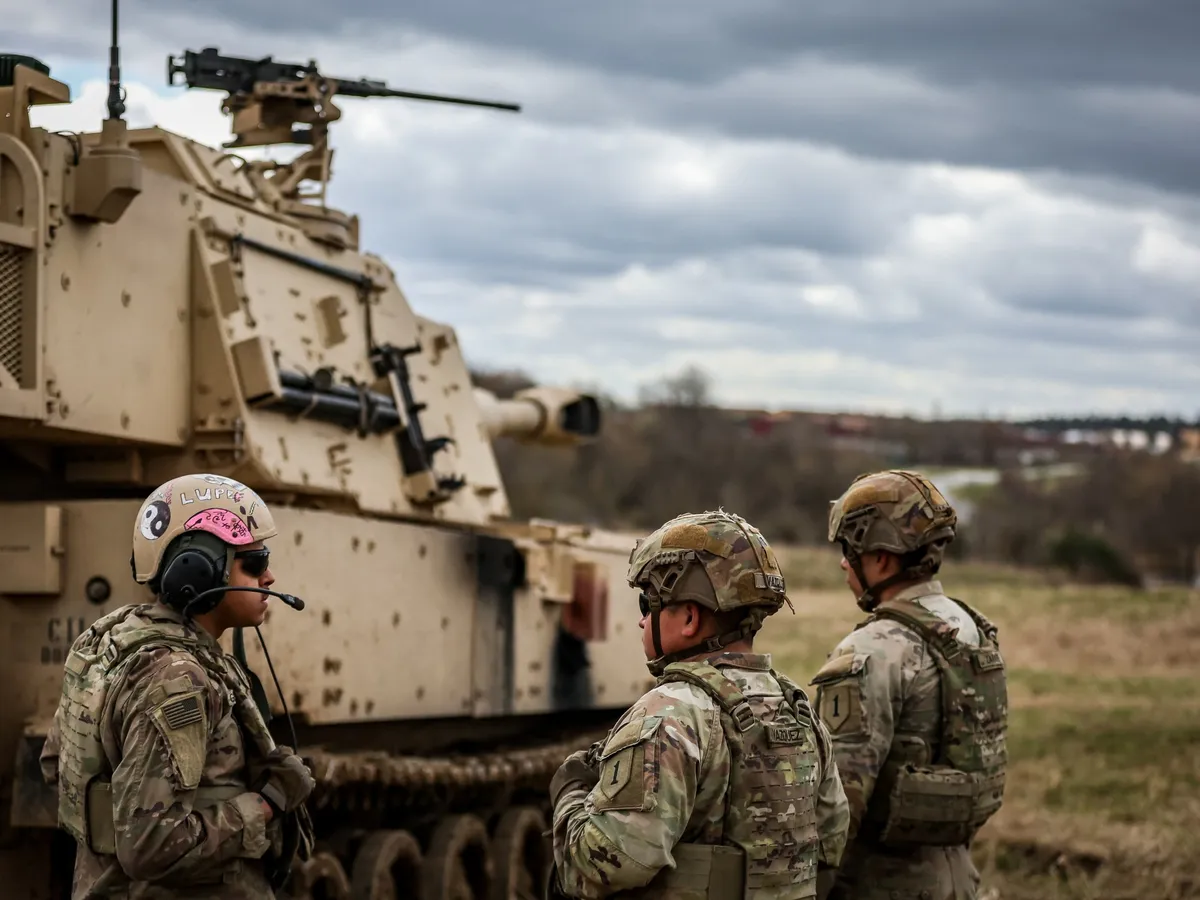
In what diplomatic historians might one day describe as the world's most expensive friend breakup, the United States has confirmed plans to withdraw approximately 5,000 troops from Germany within the next six to twelve months, according to reporting by Al Jazeera. NATO allies are now left doing what the rest of us do after unexpected news: frantically trying to assess the details.
So what exactly is happening?
The US announcement comes amid an ongoing and increasingly public feud between Washington and its European allies over defense spending, burden-sharing, and - frankly - a whole lot of accumulated frustration on both sides. The withdrawal is not a sudden overnight ghost move; the timeline stretches across six to twelve months, giving everyone involved a decent window to figure out logistics, renegotiate arrangements, and maybe - just maybe - patch things up.
NATO officials are reportedly in the process of assessing the operational details of the pullback, per Al Jazeera's coverage. That is a very diplomatic way of saying they are stress-testing exactly how big a hole this leaves in European defense posture.
Why Germany specifically?
Germany has historically been the beating heart of US military presence in Europe. Bases like Ramstein and the broader network of installations across the country represent decades of post-World War II security architecture. Pulling 5,000 troops out is not just a numbers game - it is a symbolic and strategic statement that reverberates far beyond the affected personnel.
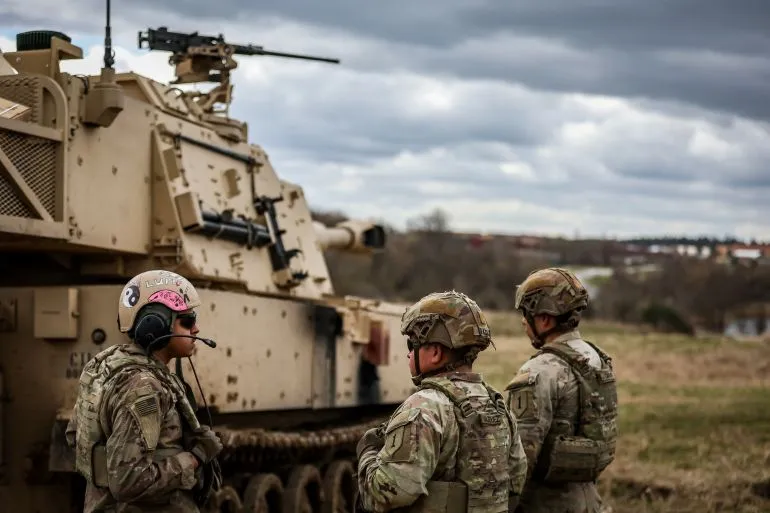
European leaders have spent years being nudged - and lately shoved - by Washington to spend more on their own defense. The message embedded in this withdrawal, intentional or not, is fairly hard to miss: the security blanket has a return date on it.
What comes next?
The short answer is: nobody is entirely sure. NATO is assessing. Germany is processing. European capitals are recalculating. The alliance that survived the Cold War, two Gulf Wars, and approximately one million rounds of tense summit photography is now navigating a stretch of road where the GPS is clearly recalculating.
Whether this withdrawal accelerates European defense investment, strains the alliance further, or somehow becomes a bargaining chip in broader US-Europe negotiations remains to be seen. What is confirmed, per Al Jazeera, is that the troops are leaving - and the clock has started.
Stay tuned. This one has sequels written all over it.