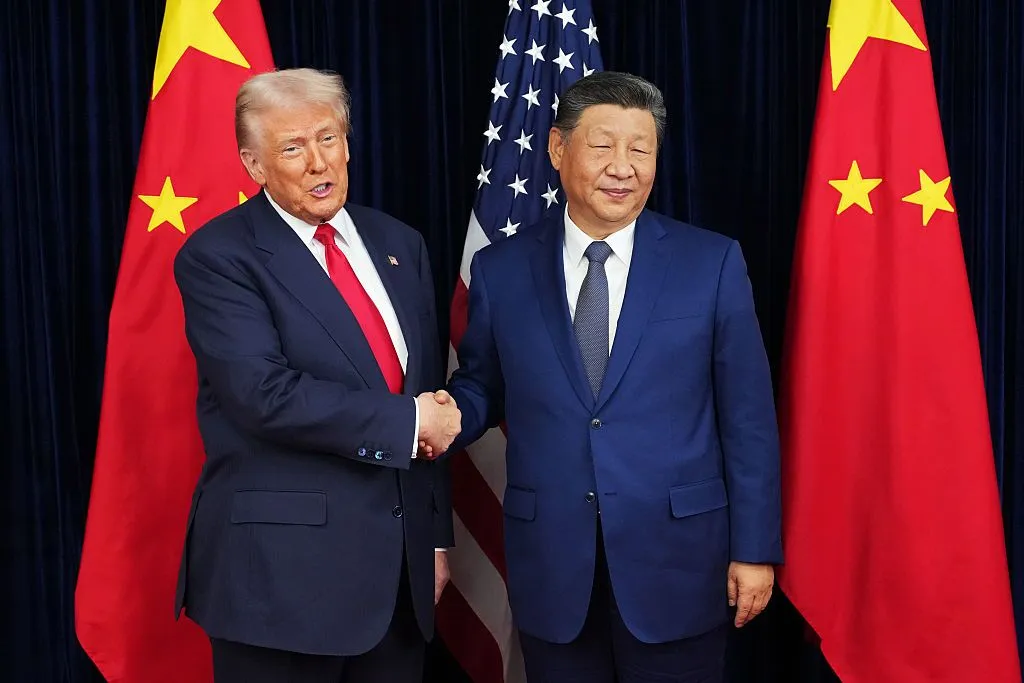
A majority of Americans view China as one of the United States' primary rivals or adversaries, but frame that concern largely in economic rather than military terms, according to a new poll released as President Donald Trump pursues high-stakes trade negotiations with Beijing.
The survey, conducted jointly by the Chicago Council on Global Affairs, NPR, and Ipsos, offers a snapshot of public opinion at a critical moment in U.S.-China relations, with tariff disputes and diplomatic tensions dominating the bilateral relationship.
Economic anxiety drives China concerns
While Americans broadly view China with skepticism, the poll's findings suggest the public's wariness centers on trade competition, manufacturing losses, and economic influence rather than direct military confrontation. This distinction carries significance for policymakers weighing how aggressively to pursue trade restrictions versus diplomatic engagement.
The findings come as the Trump administration has used sweeping tariff measures as a central tool in its approach to China, framing elevated import duties as a means of rebalancing trade and pressuring Beijing on a range of economic and strategic issues.
Tariff attitudes
Public views on tariffs reflect broader ambivalence about the costs and benefits of trade restrictions. While there is substantial concern about China's economic practices, many Americans also worry about the domestic impact of tariffs, including higher consumer prices and potential disruptions to supply chains.
Iran and global standing
The Chicago Council/NPR/Ipsos poll also touched on American attitudes toward Iran and the country's perceived standing in the world. Ongoing nuclear negotiations with Tehran and the United States' relationships with traditional allies remain areas of public concern, the survey indicated.
Questions about whether the U.S. maintains its historical influence and credibility on the world stage also featured in the poll's findings, reflecting anxieties about America's role in an increasingly multipolar global environment.
Context for negotiations
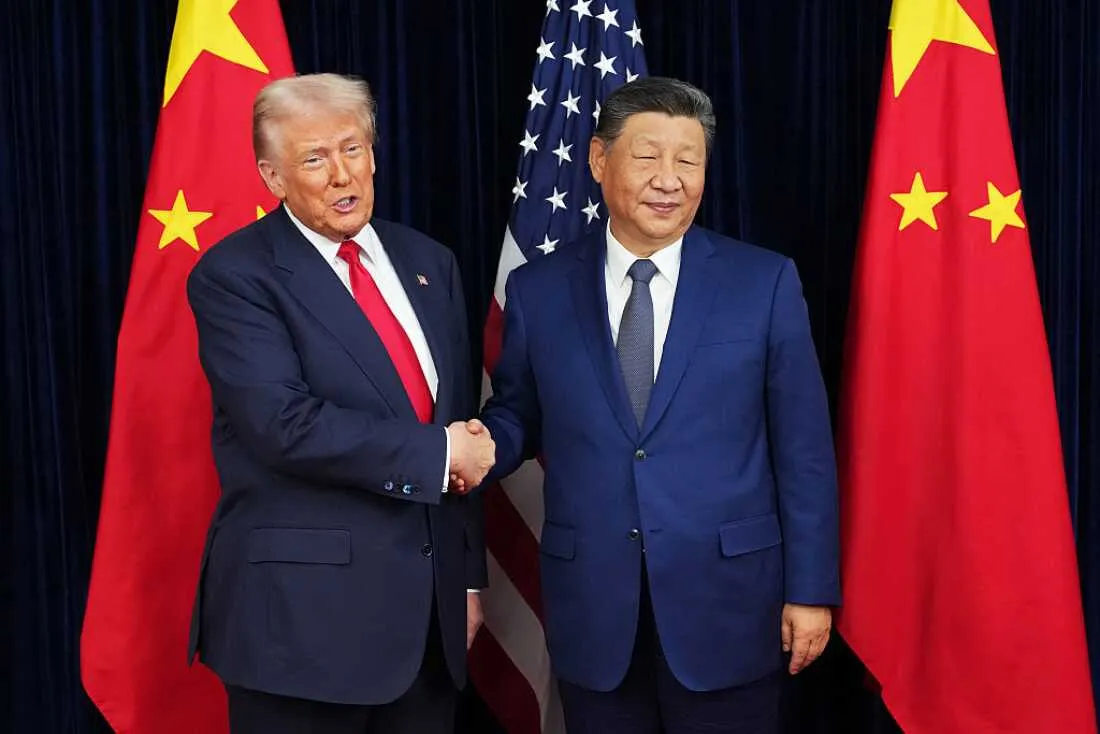
The release of the poll coincides with renewed diplomatic activity between Washington and Beijing. Trade negotiations have proceeded against a backdrop of elevated tariffs imposed during Trump's second term, with both sides signaling a willingness to reduce some economic tensions while broader strategic competition continues.
Public opinion data on foreign policy questions can provide context for how administrations communicate their strategies domestically, particularly when negotiations involve economic trade-offs that affect American consumers and businesses directly.
The full results of the Chicago Council/NPR/Ipsos survey, including methodology and margin of error details, are available through NPR and the Chicago Council on Global Affairs.