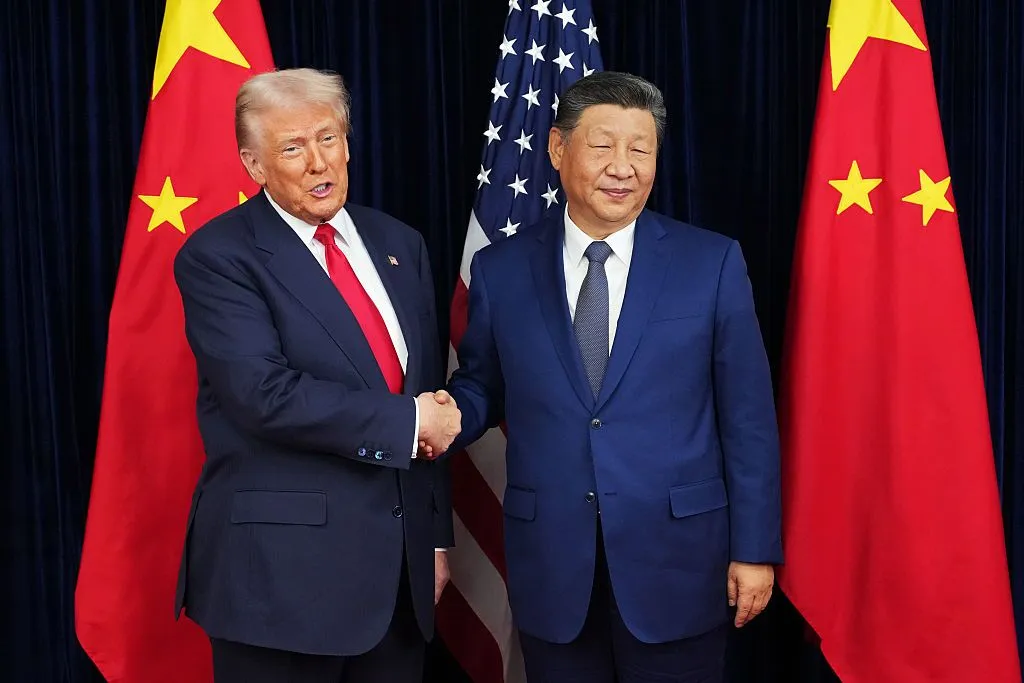
President Donald Trump sent a letter to congressional leaders on Friday declaring that hostilities with Iran have "terminated," appearing to argue that a legally significant 60-day deadline no longer applies to his administration's military actions against the country.
Friday marked exactly 60 days since Trump formally notified Congress that the United States had taken military action involving Iran, triggering a countdown under the War Powers Resolution - a law that requires presidents to seek legislative authorization for sustained military engagements within that timeframe.
By declaring hostilities over, Trump appeared to sidestep the requirement to obtain congressional approval, according to reporting by The Guardian. The move drew immediate pushback from Democratic lawmakers, who questioned whether the president has the authority to unilaterally declare an end to hostilities in order to avoid the legislative process.
War Powers Resolution at the center of the dispute
The War Powers Resolution, enacted in 1973, was designed to limit a president's ability to commit U.S. forces to armed conflict without congressional consent. Under the law, a president must notify Congress within 48 hours of deploying military force and must withdraw troops within 60 days unless Congress authorizes the action or declares war.

Presidents of both parties have historically contested the constitutionality of the resolution, and compliance has varied across administrations. Trump's letter on Friday follows a pattern of executive branch resistance to the law's constraints.
Democratic opposition
Democrats pushed back against Trump's characterization, signaling they do not accept the administration's framing that the conflict has concluded in a manner that satisfies the legal threshold. The precise nature of their objections and any planned legislative response were not immediately detailed in the available reporting from The Guardian.
The White House has not publicly elaborated on the specific military operations referenced in the original notification to Congress, nor on what benchmarks it used to determine that hostilities had ended.
The dispute adds another layer to the ongoing tension between the executive and legislative branches over war-making authority, a debate that has intensified in recent decades as U.S. military operations have expanded in scope and geographic reach without formal declarations of war.