
Malaysian Prime Minister Anwar Ibrahim is seeking to project a image of strength and cohesion within his ruling alliance this weekend, but dissent from former members of his own party risks undermining that message at a critical political moment.
Pakatan Harapan (PH), the reformist coalition led by Anwar, is holding its first convention in four years in the southern state of Johor on Sunday. The gathering was intended to demonstrate solidarity and political momentum ahead of future electoral contests.
However, according to reporting by the South China Morning Post, two former ministers from within Anwar's own party are set to draw attention back to the internal fractures that have long complicated the reformist camp's unity narrative.

Former economy minister Rafizi Ramli and former natural resources and environmental sustainability minister Nik are among those whose actions on the same day as the convention are expected to compete for public and media attention, potentially overshadowing the coalition's carefully managed messaging.
A coalition under scrutiny
The timing is significant. PH has not convened in this format since before it returned to federal power, and the convention was designed to signal organisational cohesion and policy direction. Internal dissent from recognisable figures carries particular weight in that context.
Anwar's political career has been defined by years of opposition activism and repeated attempts to reach the prime ministership. Since taking office, he has governed through a broad coalition that includes parties with differing priorities, making unity a constant challenge rather than a given.
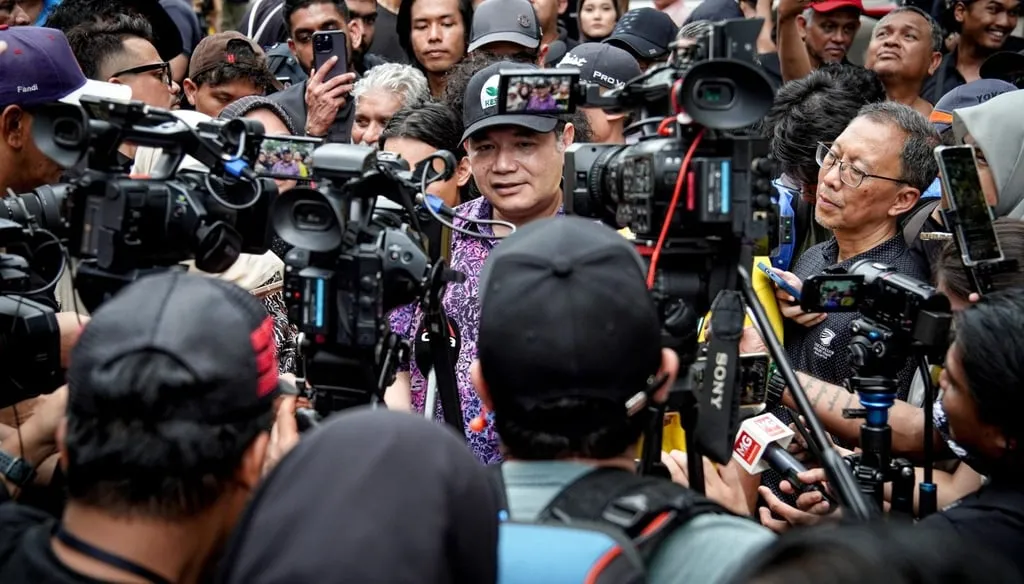
Public disagreements or parallel activities by former senior ministers risk reinforcing a perception that the reformist bloc remains fragmented, even as Anwar works to consolidate authority and build a coherent governing identity.
Broader implications
Malaysia's political landscape has been notably volatile over the past decade, with multiple changes of government and shifting coalition alignments. Anwar's administration has had to balance reform expectations from its core supporters against the practical demands of coalition governance.
The convention in Johor represents an opportunity to reset that narrative and present a forward-looking platform. Whether the actions of former ministers succeed in pulling focus away from that effort may offer an early indicator of how effectively Anwar can manage dissent from within his own political base.
The South China Morning Post reported the developments ahead of Sunday's proceedings.