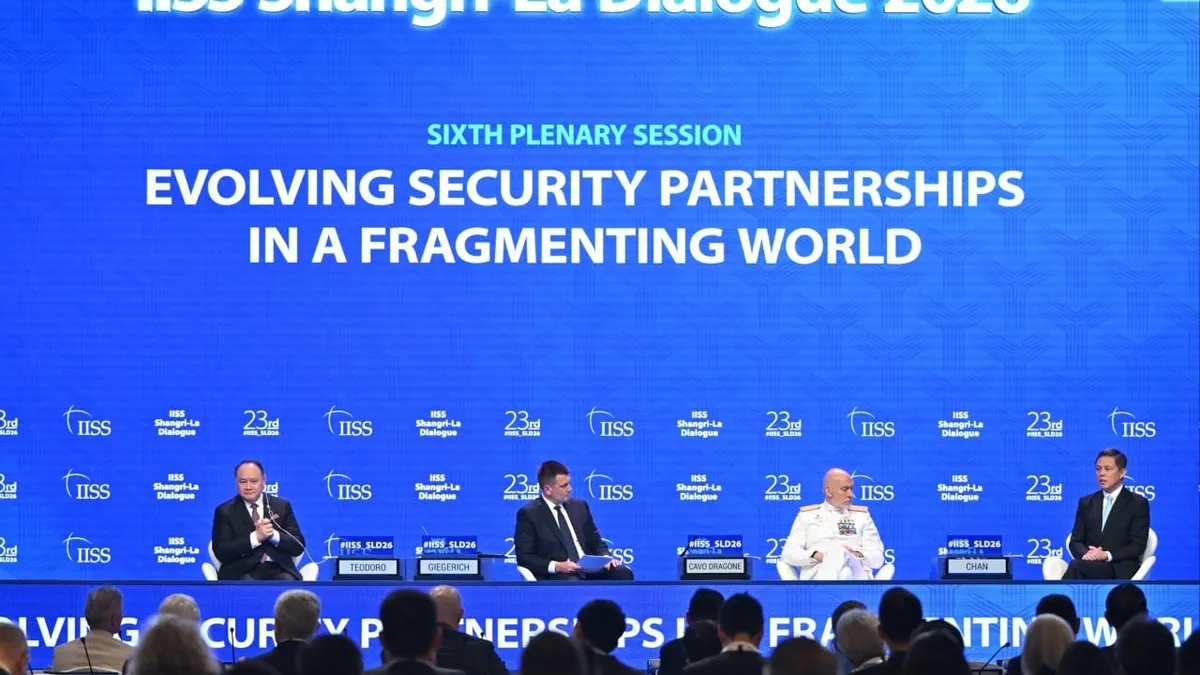
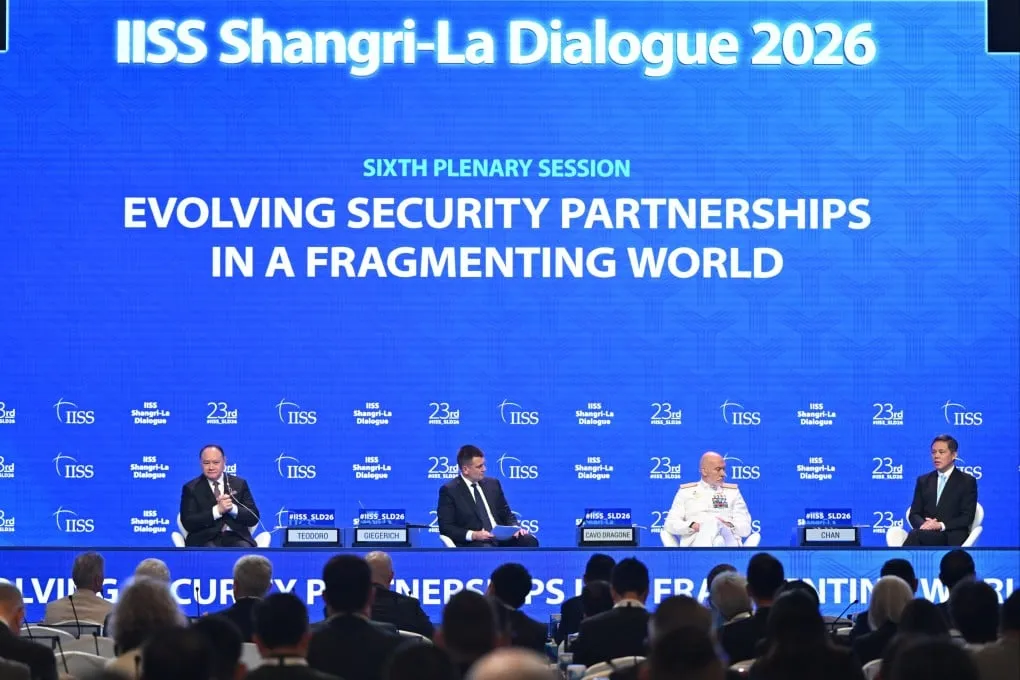
The Shangri-La Dialogue, Asia's premier annual security summit held in Singapore, closed on Sunday with two big questions hanging in the air like an awkward silence at a dinner party: how much should countries spend on defence, and who actually wants to do something about keeping the peace in the region?
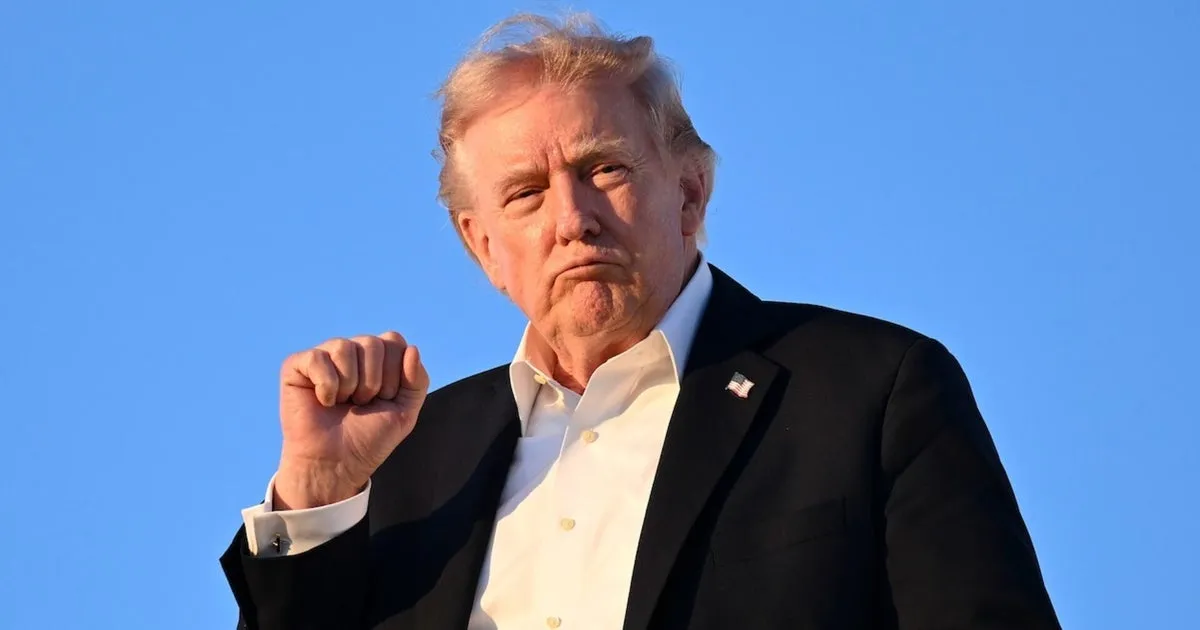
According to reporting by the South China Morning Post, US Defence Secretary Pete Hegseth used the occasion to push allies and regional partners toward a defence spending target of 3.5% of gross domestic product - a number that made most Southeast Asian finance ministers presumably spit out their morning coffee.
Nice number, Pete - but who's paying?
Analysts quoted by the SCMP were pretty blunt about the feasibility of that target. For most ASEAN member states, hitting 3.5% of GDP on military spending is roughly as realistic as finding a functioning printer on the first try. The one notable exception? Singapore, which already has a well-funded defence establishment and is essentially the overachieving student of the Southeast Asian classroom.
The gap between Washington's expectations and the fiscal reality facing most regional governments is not trivial. Countries across ASEAN are juggling development priorities, post-pandemic debt, and domestic pressures that make a massive military spending surge a very tough political sell back home.
Less dialogue, more deterrence?
The summit's title - Shangri-La Dialogue - suddenly felt a little ironic. The whole vibe of the meeting shifted from polite multilateral diplomacy toward a harder-edged conversation about ships, submarines, and who exactly is going to show up if things go sideways in the South China Sea or the Taiwan Strait.
Washington's message, as framed by Hegseth's presence and statements, was essentially: the era of America footing the bill for regional security while allies spend modestly is over. Allies need to pull their weight - or at least their wallets.
Whether that message lands is another story. Analysts noted that the varying levels of commitment among regional players reflect genuinely different strategic priorities, threat perceptions, and, frankly, different relationships with both Washington and Beijing. Not every country in ASEAN sees the security landscape through the same lens as the Pentagon.
Bottom line
The Shangri-La Dialogue ended with plenty of frank talk but limited concrete commitments on defence spending. The US wants more. Most of Asia is willing to nod politely. Singapore remains the teacher's pet. And somewhere, a fleet of submarines continues to be a very expensive way to make a point.
Source: South China Morning Post