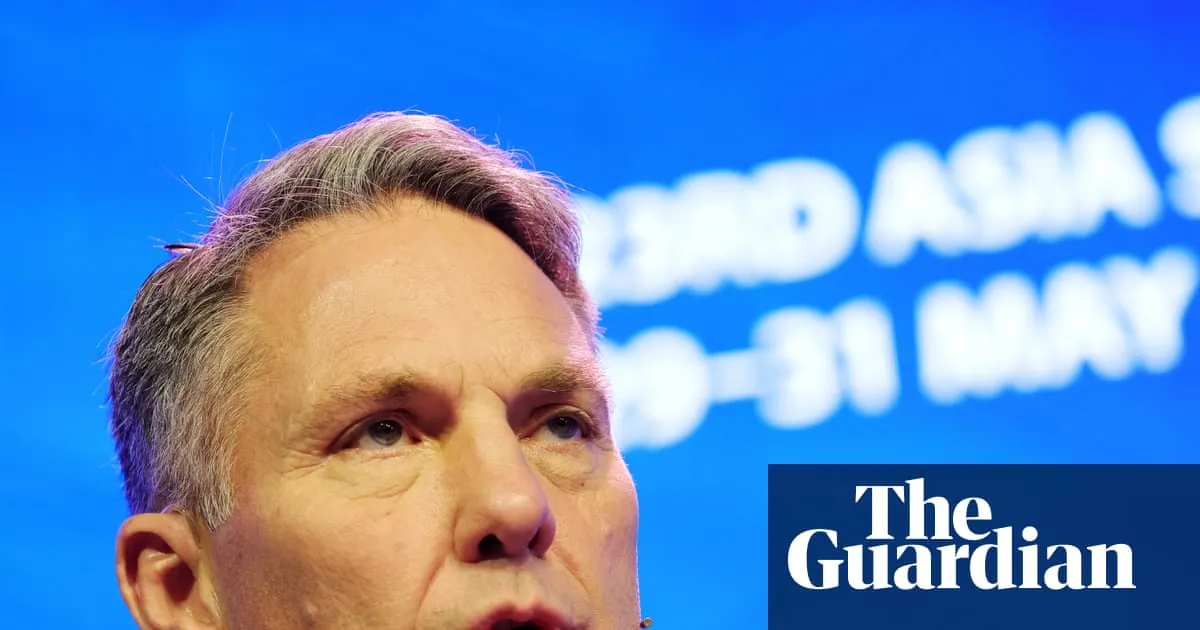
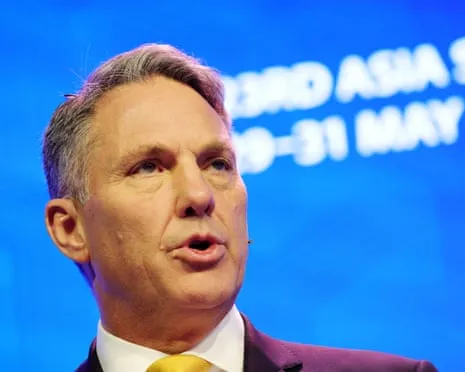
In a speech that sounded like the opening monologue of a Tom Clancy novel, Australian Defence Minister Richard Marles told a Singapore defence summit that the ocean floor has officially become a warzone - at least in geopolitical terms.
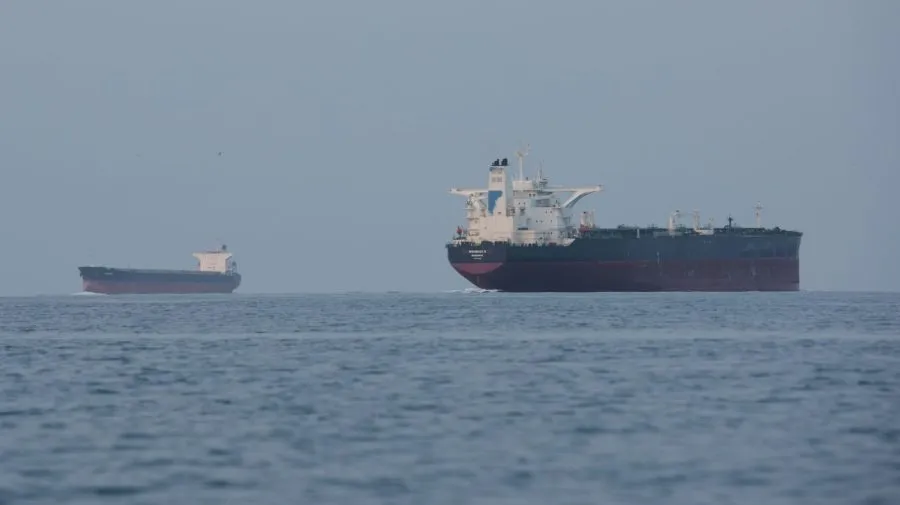
According to reporting by The Guardian, Marles declared that "the seabed is a battlefield," urging China to be more transparent about its maritime operations while also taking a swing at the lax international oversight of so-called "shadow fleet" vessels - those murky, often uninsured ships that operate in legal grey zones to dodge sanctions or hide their activities.
Drone subs: because regular submarines are so 2010
The headline-grabbing part of Marles' address was the revelation that Australia plans to deploy autonomous underwater drones specifically tasked with protecting critical undersea infrastructure - think the cables that carry the vast majority of the world's internet traffic and financial data. If someone cuts those cables (accidentally or otherwise), your ability to argue with strangers online goes with them.
Undersea cable sabotage has been a growing concern among Western nations, with several suspicious incidents in the Baltic Sea in recent years putting NATO members on edge. Australia, with its enormous coastline and strategic position in the Indo-Pacific, has obvious reasons to take the threat seriously.
About those submarines... slight catch
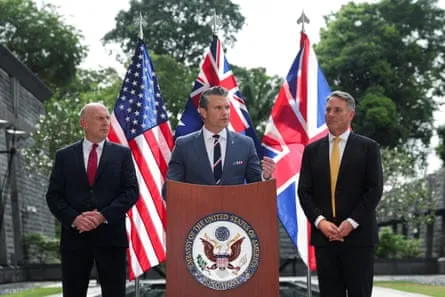
In what is either a savvy budget move or the geopolitical equivalent of buying a certified pre-owned car, Marles also confirmed that Australia will be purchasing secondhand AUKUS submarines from the United States - not shiny new ones.
To be fair, a used American nuclear-powered submarine is still an incredibly powerful piece of military hardware. This is less "buying someone's old Honda" and more "buying someone's gently used fighter jet." The AUKUS submarine deal, originally announced in 2023 as part of the trilateral security pact between Australia, the UK and the US, was always going to be a long and complicated process. Getting earlier access to US vessels, even older ones, keeps the timeline moving while Australia builds up the industrial and operational capacity to eventually field its own boats.
The bigger picture
Marles' speech in Singapore fits into a broader pattern of increasingly direct Australian language toward Beijing over maritime behaviour in the Indo-Pacific. The call for transparency, combined with the concrete announcements around drone submarines and cable protection, signals that Canberra is putting real money and hardware behind its warnings - not just words.
Whether Beijing takes note remains to be seen. But one thing is clear: the ocean floor just got a lot more interesting.
Source: The Guardian