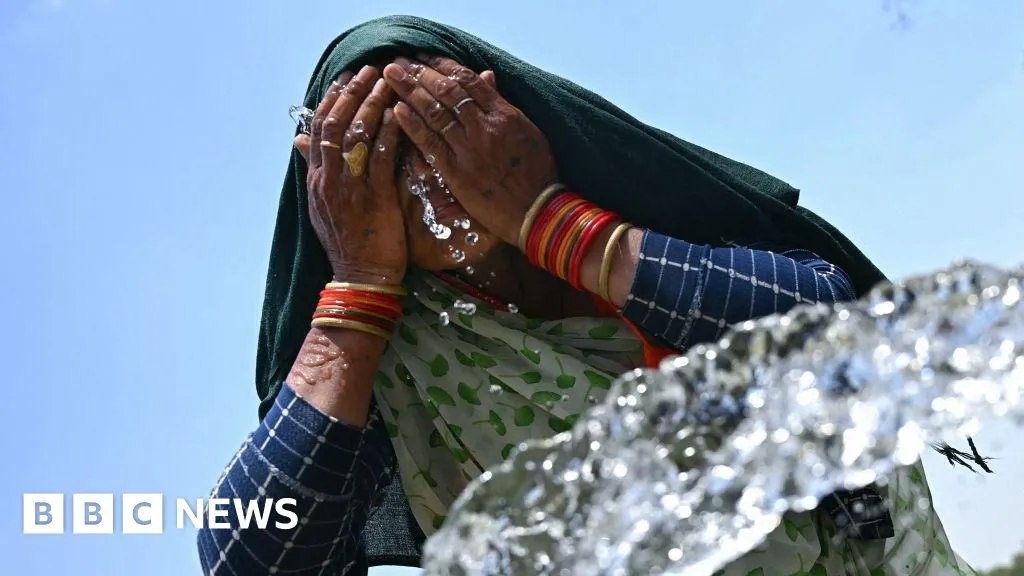
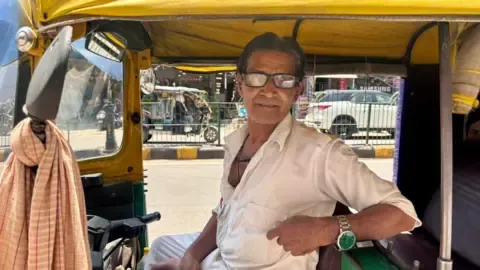
While the rest of us are arguing about whether 27C counts as 'too hot to function,' Delhi's informal workers are out there grinding in temperatures hitting a soul-melting 45 degrees Celsius. According to a BBC report, the city's poorest laborers - the rickshaw pullers, street vendors, construction workers - are not exactly in a position to 'work from home' or wait for a more climatically convenient moment to earn their daily wages.
The brutal math of poverty vs. heatstroke
Here's the grim equation these workers are dealing with: stay home and your family doesn't eat, or go out and risk heat exhaustion, heatstroke, and in the worst cases, death. Spoiler alert - most of them are choosing survival over safety, every single day. The BBC's reporting highlights that for Delhi's vast informal economy, there is simply no safety net to fall back on. No sick days, no paid leave, no HR department sending a concerned wellness email.
India's capital regularly ranks among the most polluted and now most lethally hot cities on Earth. This year's pre-monsoon heat surge has been particularly savage, with temperatures soaring well above seasonal averages and health authorities warning of serious risks for outdoor exposure.
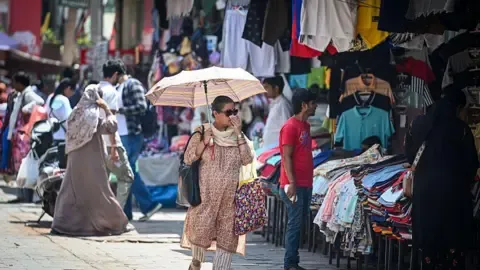
A tale of two Delhis
The contrast couldn't be more stark. Air-conditioned offices, malls, and metro cars exist in the same city where a cycle rickshaw driver sweats through a 10-hour shift with maybe a cloth and a water bottle for protection. Medical experts quoted in the BBC piece warn that sustained exposure to these temperatures without adequate hydration and rest can turn fatal surprisingly quickly - especially for those already weakened by poor nutrition or previous illness.
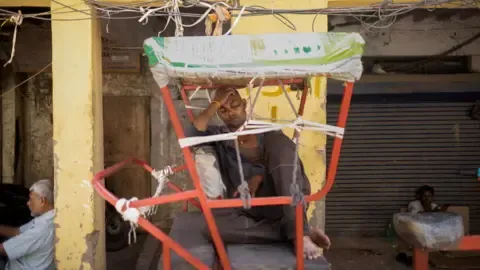
Heat action plans exist on paper. Cooling centers have been announced. But as the BBC report makes clear, the ground reality for workers who can't afford to stop working is considerably bleaker than any government advisory suggests.
Climate change is not an abstract future problem
For the record, scientists have been very clear that South Asia is one of the regions most acutely threatened by accelerating climate change - and events like Delhi's current heatwave are becoming more frequent and more intense. This isn't a once-in-a-generation anomaly anymore. It's basically the new summer.
The workers on Delhi's streets aren't making policy decisions or debating carbon budgets. They're just trying to make it to evening. That, perhaps more than any climate summit communique, is the real story of what a warming world looks like in practice.