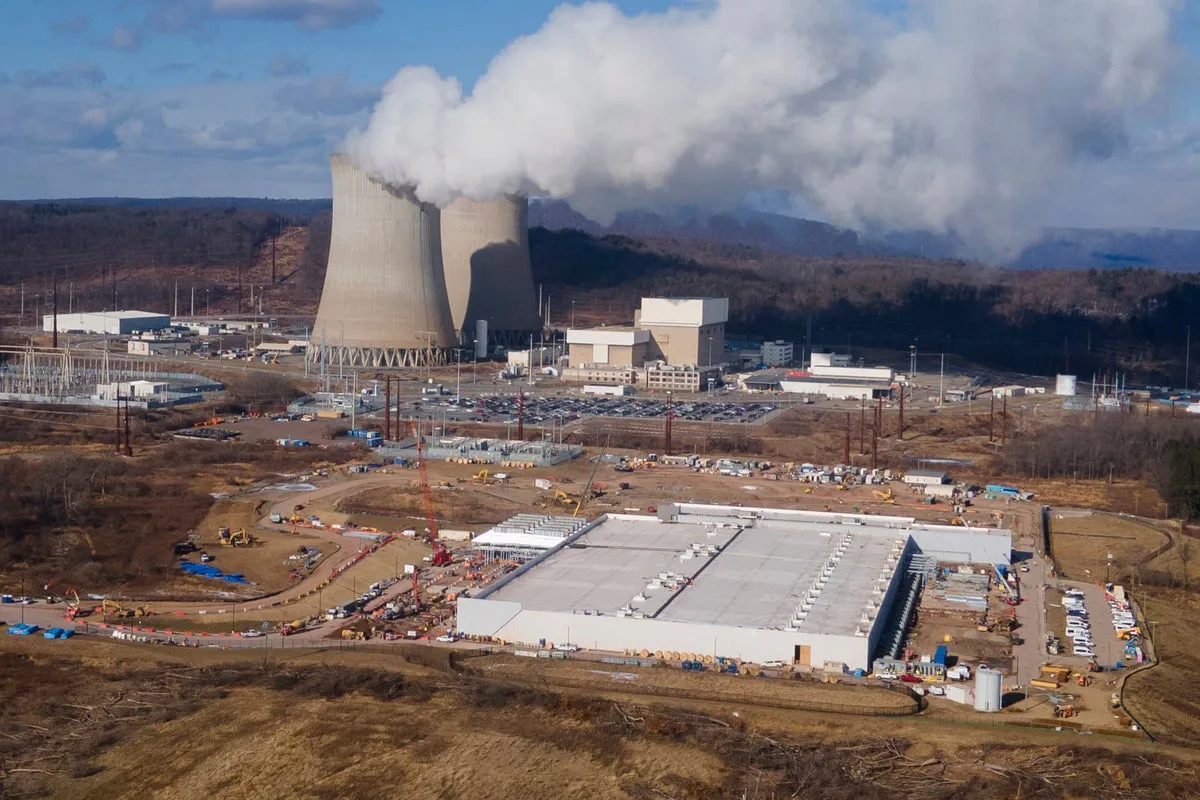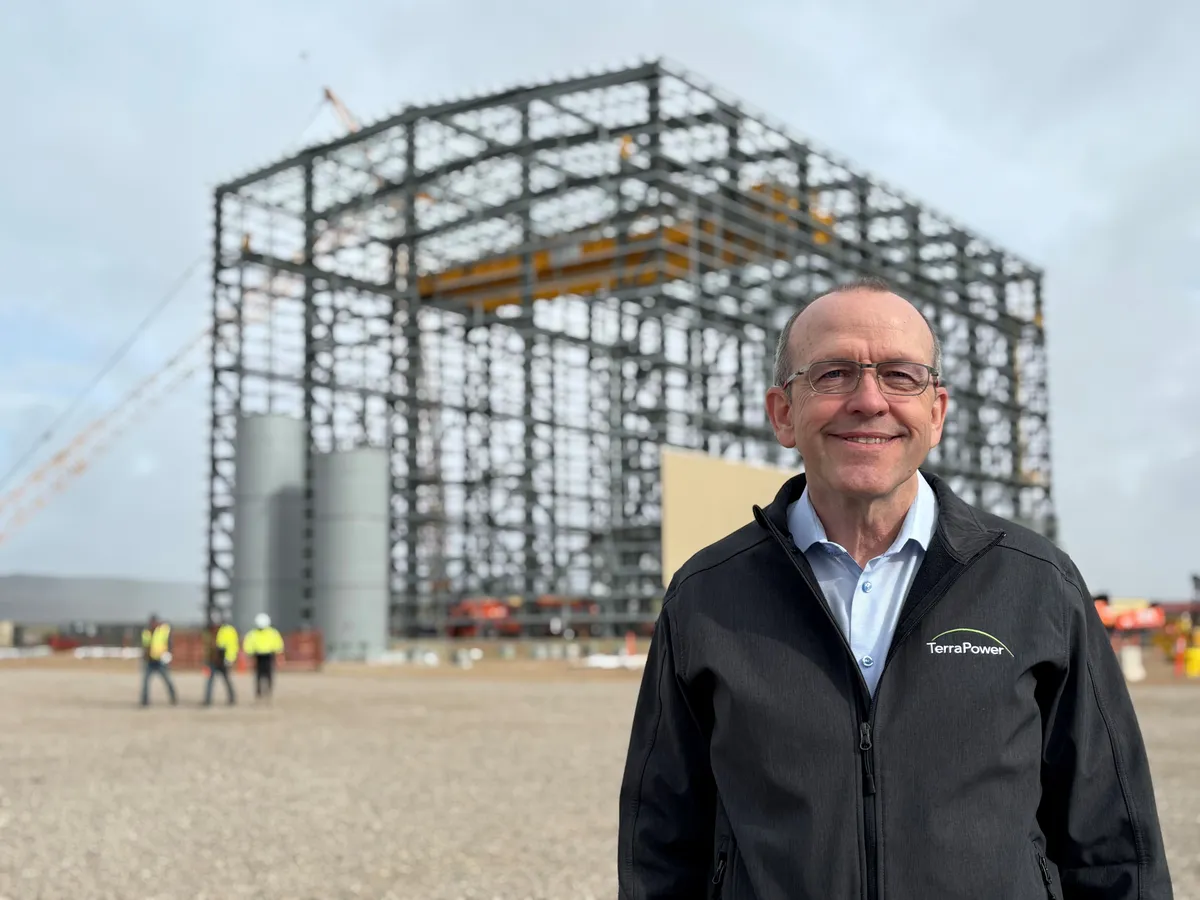
Wyoming - better known for cowboys, coal, and having fewer people than most Costco parking lots on a Saturday - is now ground zero for what enthusiasts are calling a "nuclear renaissance." Construction has officially begun on an advanced nuclear power plant near Kemmerer, Wyoming, after federal regulators approved the license, according to NPR.
The project is being developed by TerraPower, a company co-founded by one William Henry Gates III - yes, that Bill Gates, the same guy who used to be the world's most famous nerd and has since pivoted to saving civilization one ambitious megaproject at a time. The plant is billed as the first advanced nuclear reactor of its kind to begin construction in the United States this century, and it's receiving partial funding from the U.S. federal government, which is either reassuring or terrifying depending on your feelings about government infrastructure projects.
So what makes this thing "advanced," exactly?
TerraPower's Natrium reactor design uses liquid sodium as a coolant instead of water, which the company claims makes it safer and more efficient than traditional nuclear plants. The company says the technology is proven - though critics and industry watchers note that sodium-cooled reactors have had a rocky history globally, and there are still significant technical and regulatory hurdles ahead before this thing actually produces a single watt of electricity for anyone's toaster.
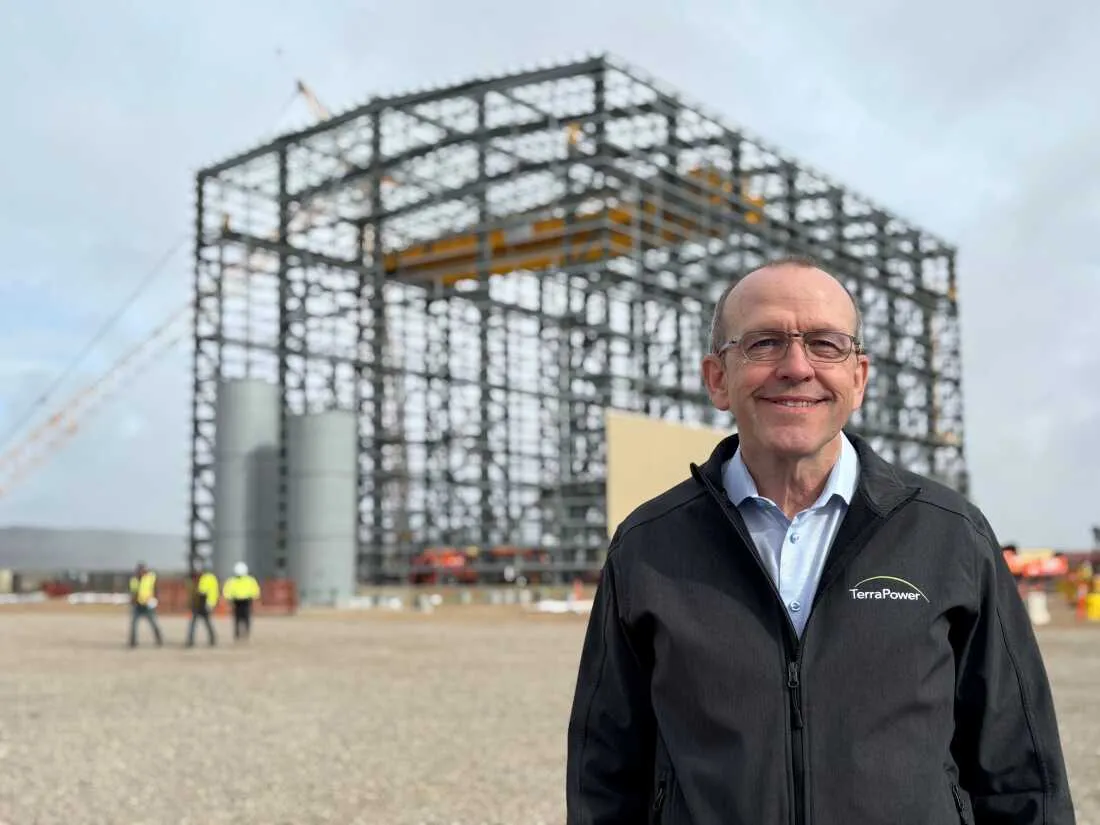
Wyoming officials have been enthusiastic, framing the project as a bold leap into the energy future for a state that has long depended on fossil fuel extraction. Given that coal country has been on a slow economic decline for years, the idea of a gleaming sci-fi reactor replacing some of those jobs has obvious political appeal.
Not everyone is popping the champagne (or the uranium rods)
NPR's reporting notes that while the license approval and groundbreaking are genuine milestones, nuclear power faces persistent challenges - cost overruns, construction delays, and public skepticism chief among them. The U.S. nuclear industry has a somewhat embarrassing track record of projects ballooning in price and timeline, so the "renaissance" label is being applied with at least some degree of hope-over-experience optimism.
Still, the combination of federal backing, a high-profile tech billionaire, a genuinely novel reactor design, and a state that desperately wants to believe in its energy future makes this one of the more fascinating infrastructure stories of the decade. Whether it becomes a model for clean energy or an expensive cautionary tale remains to be seen.
Either way, Wyoming is having a moment. Who saw that coming.