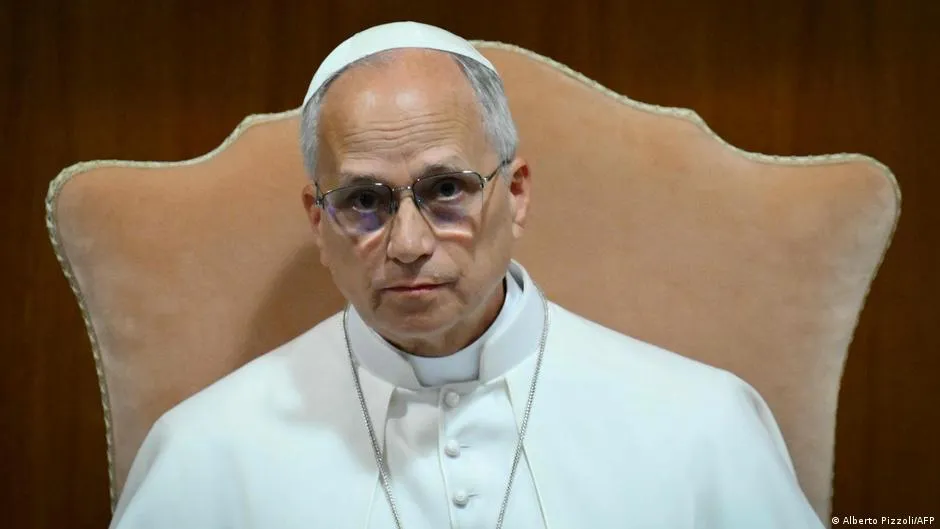
In what might be the most ambitious papal debut since someone figured out how to use a Twitter account at the Vatican, Pope Leo XIV has released a sweeping manifesto calling for artificial intelligence to be, in his words, "disarmed" - and yes, he means that both literally and metaphorically.
According to a report by DW, the newly installed pontiff issued a stark warning about the dangers of unregulated AI, arguing that the technology poses serious risks to society by enabling the spread of misinformation and - perhaps more alarmingly - helping to normalize war. That second point deserves a slow blink. The Pope is essentially saying that AI-generated content could make conflict feel so routine, so background-noise ordinary, that humanity gradually stops flinching at it. Which is, frankly, a concern that a lot of ethicists and researchers have been shouting into the void for years now.
The 'disarming AI' thing - what does it actually mean?
Leo XIV's call to "disarm" AI appears to be a call for stricter international regulation and oversight of artificial intelligence systems, particularly around their use in warfare and propaganda. It is not, to be clear, a request that your smartphone be physically defused by a bomb squad, tempting as that may sound on a Monday morning.
The manifesto positions the Catholic Church - an institution with roughly 1.4 billion members globally - as a voice in the increasingly chaotic global conversation about how AI should be governed. Whether world governments will listen is, of course, a entirely different question.
Oh, and there was also a historic apology
Tucked into this already headline-packed document was something that historians will likely be writing about for decades: an unprecedented apology from the Pope for the Catholic Church's historical role in the transatlantic slave trade and slavery more broadly, as reported by DW.
"Unprecedented" is not a word journalists are supposed to throw around lightly, but in this case it earns its place. Previous papal statements have acknowledged the Church's involvement in slavery, but a formal apology of this nature represents a significant shift in tone and accountability.
Why this matters beyond the Vatican walls
The combination of a tech-regulation push and a landmark historical reckoning in a single document is not accidental. Leo XIV appears to be signaling that his papacy intends to engage seriously with the defining moral crises of both the past and the present - from historical injustices that still shape global inequality today, to emerging technologies that could reshape warfare and public truth as we know it.
It is, by any measure, a bold opening move. Whether it translates into real-world policy influence remains to be seen.