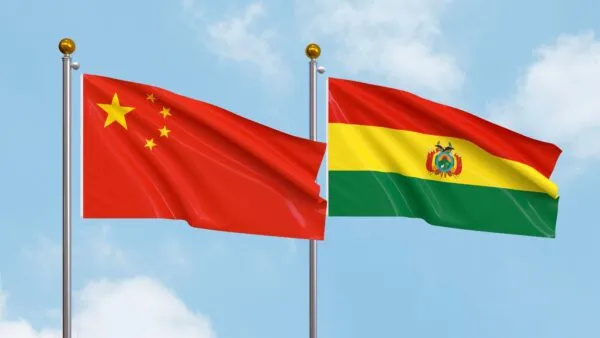
What happens when the honeymoon ends? Ask Bolivia. According to a new analysis published by The Diplomat, Chinese activities in Bolivia have deteriorated dramatically since the glory days of the country's populist leftist governments under Evo Morales and Luis Arce - and the fallout is not pretty.
From power couple to awkward exes
For years, Bolivia and China looked like the geopolitical love story nobody asked for but everyone watched. Under Morales and later Arce, Beijing poured money, influence, and grand infrastructure ambitions into one of South America's poorest nations. Bolivia had the lithium. China had the cash. It seemed like a match made in a multipolar heaven.
But as The Diplomat reports, that relationship has now soured considerably. The details of the breakdown point to a pattern that critics of Chinese overseas investment have flagged for years - deals that look transformative on paper but deliver far less on the ground.
Lithium dreams and hard realities
Bolivia sits on what is estimated to be the world's largest lithium reserves, the kind of geological jackpot that makes electric vehicle manufacturers weak at the knees. China, hungry for battery materials to fuel its clean energy dominance, was naturally very interested. Joint ventures were announced. Fanfare was had.
The reality, however, proved bumpier. Projects stalled, political winds shifted, and the grand vision of Bolivia becoming a lithium superpower with Chinese help has not quite materialized in the way either side once imagined.
A shifting political landscape
Part of the story is Bolivia's own turbulent domestic politics. The tight alliance between Beijing and La Paz was built on personal and ideological bonds with specific governments. As Bolivia's political landscape evolved and tensions within the left itself fractured - most notably the bitter falling-out between Morales and Arce - the Chinese-Bolivian axis lost some of the political scaffolding holding it up.
Without a stable, enthusiastic partner in government, Chinese investment and influence naturally faces more friction.
A warning for the region?
Bolivia is not an isolated case. Across Latin America, countries that once rolled out the red carpet for Chinese investment are now taking stock of what they actually got in return. The Diplomat's analysis of Bolivia fits into a broader reckoning happening from Ecuador to Venezuela about the true costs and benefits of deep economic entanglement with Beijing.
For China, Bolivia represents a lesson in how resource-rich allies can become complicated partners fast - especially when domestic politics implode and project delivery disappoints. For Bolivia, it is a reminder that courting a single powerful partner rarely goes as smoothly as the signing ceremony suggests.
The relationship is not dead, but it is definitely not what it used to be.