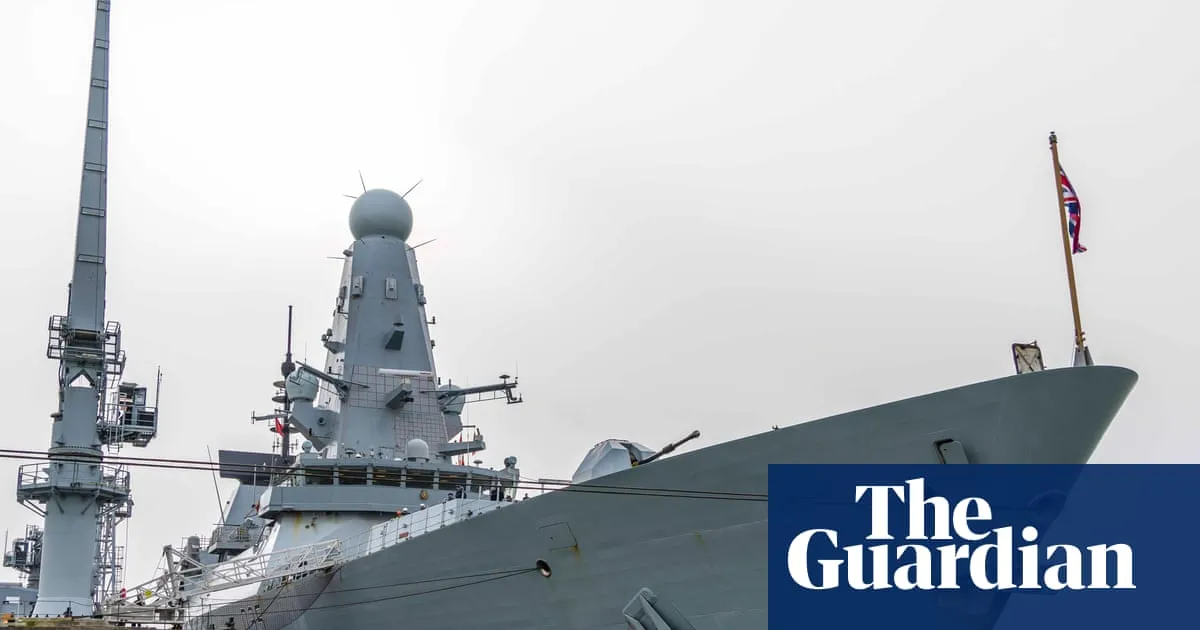
Britain has agreed to form a unified naval force with nine other European countries, with the stated aim of deterring Russian aggression along the northern maritime frontier, the head of the Royal Navy announced, according to reporting by The Guardian.
Admiral Sir Gwyn Jenkins, the Royal Navy chief, described the effort as a complement to existing Nato structures rather than a replacement for them. The force is designed to address what Jenkins characterised as an 'open sea border' to the north - a stretch of ocean viewed as vulnerable to future Russian military pressure.
Jenkins underscored that Russia remains what he called the gravest threat facing European security, even as Western military attention has been drawn toward the Middle East, where the strait of Hormuz remains closed following the US-Israeli conflict with Iran, according to The Guardian's account of his remarks.
A new layer of European maritime defence
The announcement reflects a broader trend of European nations building supplementary defence arrangements outside of Nato's formal command structure. By pooling naval assets across ten countries, the alliance aims to maintain a more persistent presence in northern waters without relying solely on the Atlantic alliance's existing frameworks.
The specific countries joining Britain in the force were not detailed in the source material, nor was a formal timeline for the force becoming operational.
Context: shifting security priorities
The move comes at a moment of considerable strain on Western defence resources. The ongoing crisis in the Middle East has stretched naval deployments, and European governments have faced growing pressure to demonstrate independent capacity to manage threats closer to home.
Russia's naval activity in the North Atlantic and Arctic regions has been a longstanding concern for Nato members, particularly the Nordic and Baltic states. The creation of a dedicated multinational force signals that several European governments view that threat as requiring a dedicated and sustained response.
Jenkins' framing of the initiative as complementary to Nato is notable, suggesting Britain is seeking to avoid any perception that the new force undermines the broader alliance - a sensitive point at a time when transatlantic cohesion is under scrutiny.
Further details about the force's command structure, rules of engagement, and participating nations are expected to be made public in the coming weeks, according to The Guardian's reporting.