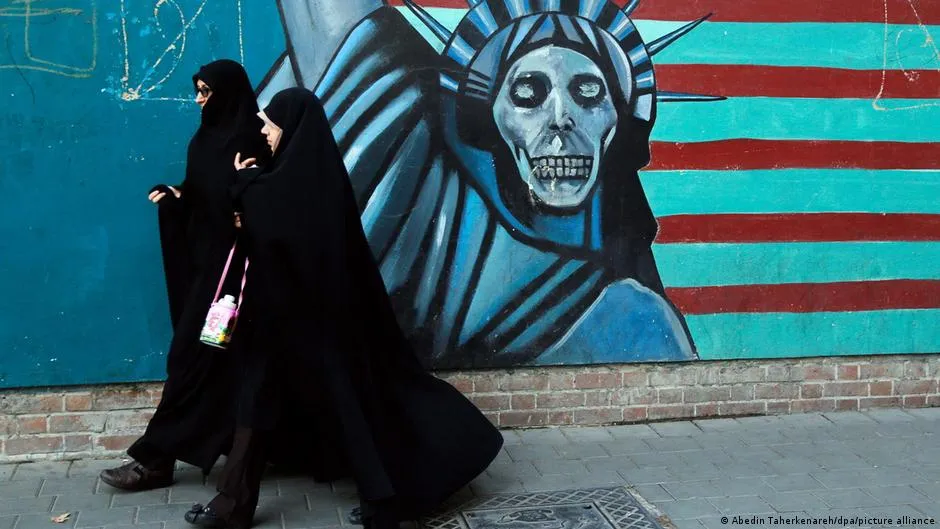
Diplomatic talks between the United States and Iran over Tehran's nuclear program have resumed, raising questions about whether the Trump administration can achieve what it has described as a stronger agreement than the one negotiated under former President Barack Obama, according to a report by Deutsche Welle.
The 2015 Joint Comprehensive Plan of Action, commonly known as the Iran deal, placed significant restrictions on Iran's nuclear activities in exchange for sanctions relief. The agreement held for several years before the United States withdrew from it during Trump's first term in office, setting off a prolonged period of diplomatic stagnation and escalating tensions.
A changed landscape
The current round of negotiations comes after what DW describes as 40 days of conflict and a series of failed diplomatic efforts. The breakdown in talks over the intervening years allowed Iran to significantly advance its nuclear capabilities, complicating any new agreement.
Trump has publicly stated his intention to secure a deal he considers superior to the Obama-era accord. Critics and analysts, however, have pointed to the difficulty of that goal given Iran's expanded nuclear program and the mistrust built up over years of diplomatic failure.
What a 'better' deal might mean
The core dispute centers on how far any new agreement would go in limiting Iran's nuclear infrastructure. The 2015 deal focused on restricting uranium enrichment levels and reducing stockpiles, while allowing Iran to maintain a civilian nuclear program. Trump and his allies have suggested a more comprehensive arrangement is necessary, potentially requiring Iran to dismantle more of its nuclear capacity.
Iran, for its part, has consistently insisted on its right to enrich uranium for peaceful purposes under the Nuclear Non-Proliferation Treaty, and has in the past resisted demands it views as an infringement on its sovereignty.
Regional and global stakes
The outcome of these negotiations carries implications well beyond the two countries directly involved. Israel, Gulf states, and European powers all have significant interests in how Iran's nuclear ambitions are ultimately addressed. Regional tensions have remained elevated, adding urgency to the diplomatic process while also making compromise more politically difficult on both sides.
Whether the current talks will produce a durable framework or collapse under the weight of competing demands remains uncertain. What is clear, according to the DW report, is that both sides have returned to the table after an extended period of hostility - a development that diplomats and analysts are watching closely.