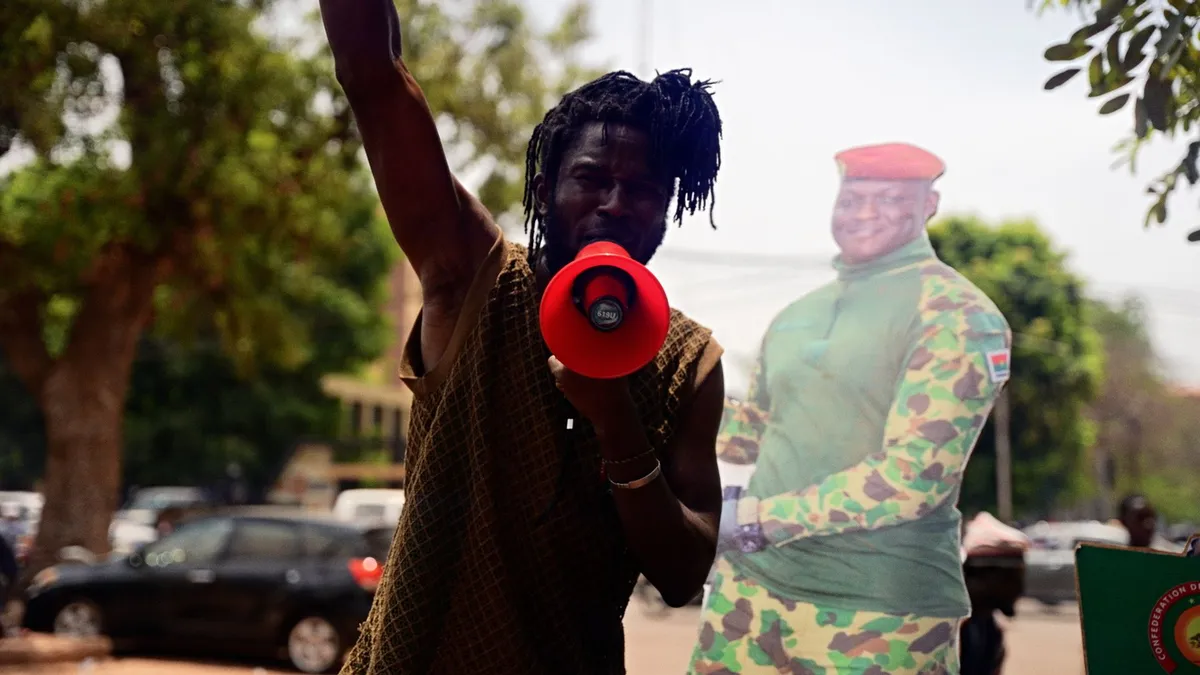
Ibrahim Traoré, the young military leader who seized power in Burkina Faso in 2022, has emerged as one of the most distinctive and closely watched figures in African politics, cultivating an unusual degree of personal loyalty while steering his landlocked nation away from Western alliances, according to a report by Sky News.
Traoré, who came to power through a coup at the age of 34, has built a following that observers describe as cult-like in its intensity. His anti-colonial messaging and self-styled image as a revolutionary leader have resonated with significant segments of the Burkinabe population, even as the country faces severe security challenges from jihadist insurgencies that have displaced millions of people.
A pivot away from the West
Under Traoré's leadership, Burkina Faso has made a pronounced strategic shift. The country expelled French military forces and formally ended long-standing defense agreements with France, which had maintained a military presence in the Sahel region for decades. Burkina Faso has also distanced itself from other traditional Western partners.
In their place, Traoré has pursued closer relationships with Russia and China. Russian private military contractors, widely reported to be affiliated with the Wagner Group and its successor entities, are believed to have established a presence in the country. The Burkinabe government has not publicly confirmed the full extent of these arrangements.
Information tightly controlled
Burkina Faso has become increasingly difficult to report on from the outside. Journalists and international observers have faced significant restrictions, and the government has moved to limit the flow of information about internal security operations and political developments. Sky News described the country as secretive in its characterization of the current administration.
The security situation remains dire. Armed groups linked to al-Qaeda and the Islamic State continue to operate across large portions of the country's territory. Humanitarian organizations have raised alarms about civilian casualties and access constraints that limit the delivery of aid to affected populations.
Regional implications
Burkina Faso's trajectory mirrors that of its neighbors Mali and Niger, which have also undergone military coups and subsequently reduced Western engagement while welcoming Russian influence. The three countries formed the Alliance of Sahel States, a new security and political bloc that represents a formal break from the Economic Community of West African States, the region's main multilateral body.
Traoré has positioned himself as a voice of Pan-African resistance at international forums, drawing comparisons from supporters to historical figures such as Thomas Sankara, the revolutionary leader who ruled Burkina Faso in the 1980s before being assassinated.
Critics, however, point to restrictions on civil liberties, the suspension of political activity, and the deteriorating humanitarian situation as evidence that the administration's nationalist rhetoric has not translated into tangible improvements for ordinary Burkinabe citizens.