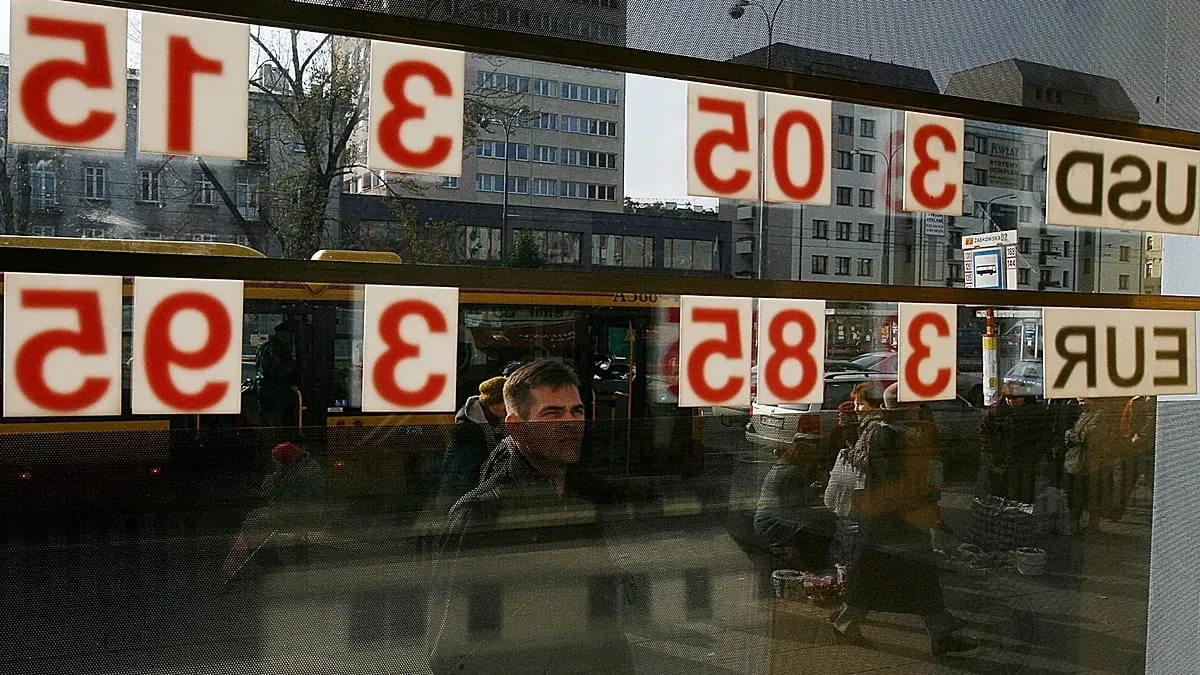
Poland and several other European countries are reconsidering the role of physical currency after years of rapid movement toward fully digital payment systems, according to a report by Euronews.
While cashless transactions had been gaining ground steadily across Europe, central banks and governments are now signaling that physical money could prove essential during emergencies, infrastructure failures, or other crisis scenarios where digital systems may be unavailable.
A shift in official thinking
The change in tone from financial authorities marks a notable reversal from the recent narrative that celebrated the convenience and efficiency of digital payments. Officials are now publicly acknowledging that an exclusively digital financial infrastructure carries vulnerabilities that physical cash does not.
Power outages, cyberattacks, and network disruptions are among the scenarios cited by authorities as situations in which access to cash could be critical for ordinary citizens trying to purchase essential goods and services.
Poland at the center of the debate
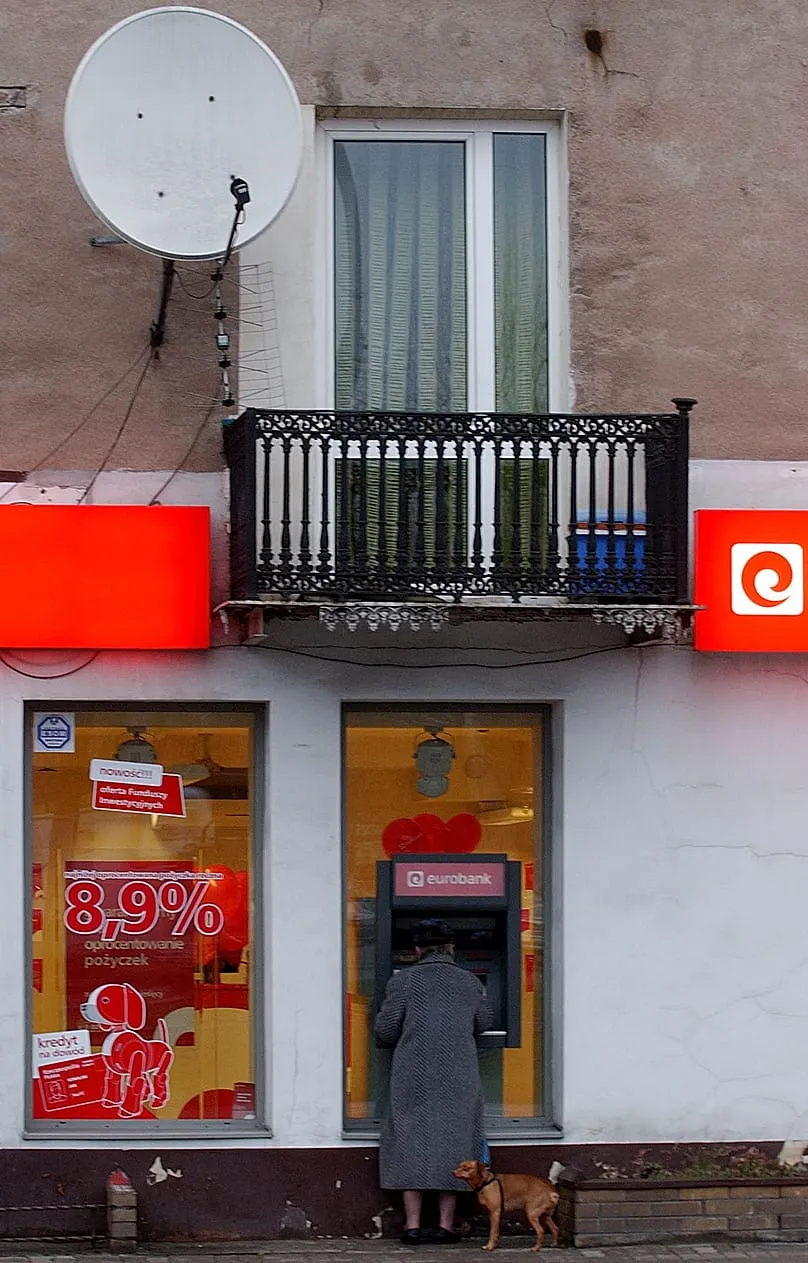
Poland has emerged as a focal point for this discussion, with the question of whether citizens should maintain a personal stockpile of physical currency gaining traction in public discourse. The country's proximity to the ongoing conflict in Ukraine has heightened awareness of how quickly normal conditions can deteriorate, making resilience planning a more pressing concern for both government and households.
The broader conversation reflects a tension that many European nations are navigating - how to embrace the efficiency of digital finance while maintaining a fallback system that functions independently of technology and connectivity.
What financial experts suggest
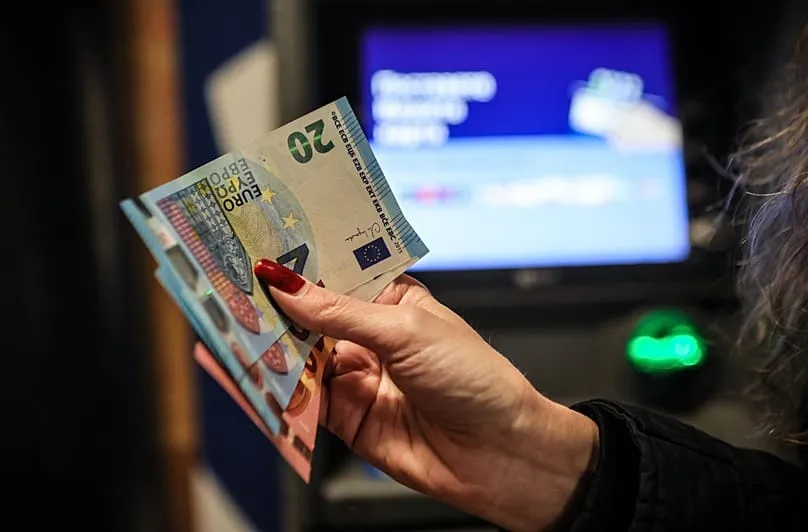
Financial authorities have generally stopped short of specifying exact amounts citizens should keep on hand, but the guidance points toward maintaining enough cash to cover essential expenses for a period of days or weeks. The emphasis is on preparedness rather than alarm.
The renewed focus on cash also raises practical questions about storage, security, and the gradual withdrawal of ATMs and bank branches in some regions, which could complicate access to physical currency precisely when it is needed most.
As European governments reassess their emergency preparedness frameworks, the role of cash is being repositioned - not as an outdated relic of a pre-digital era, but as a resilience tool with a legitimate place in household financial planning.