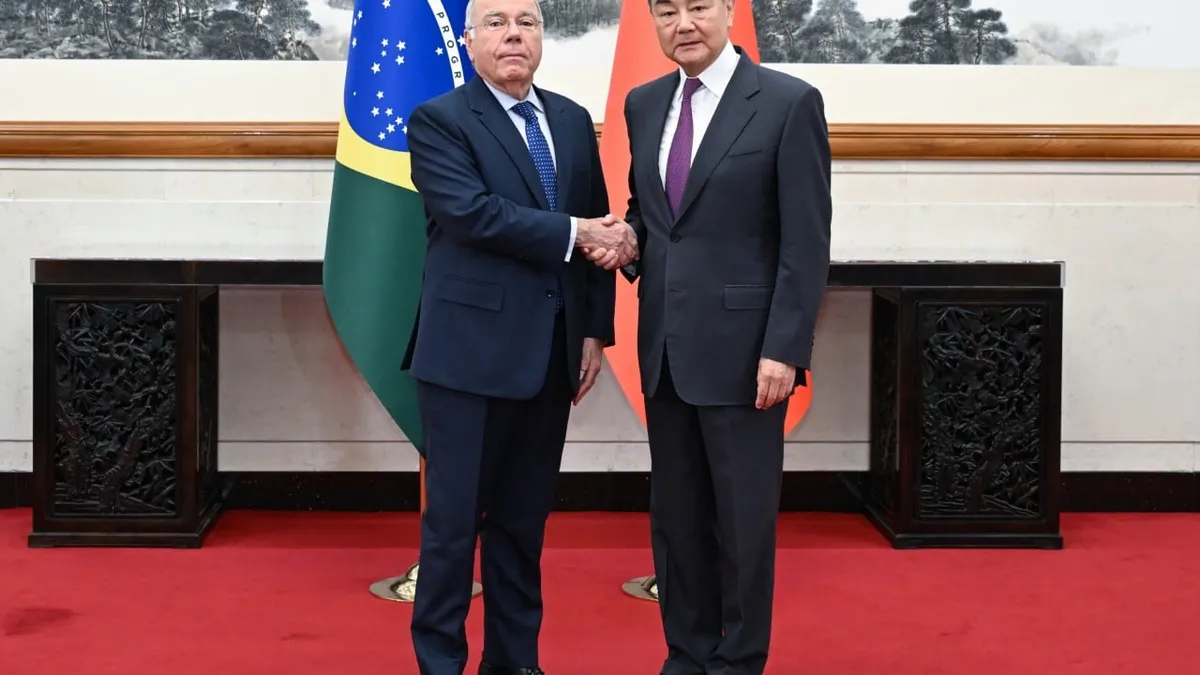
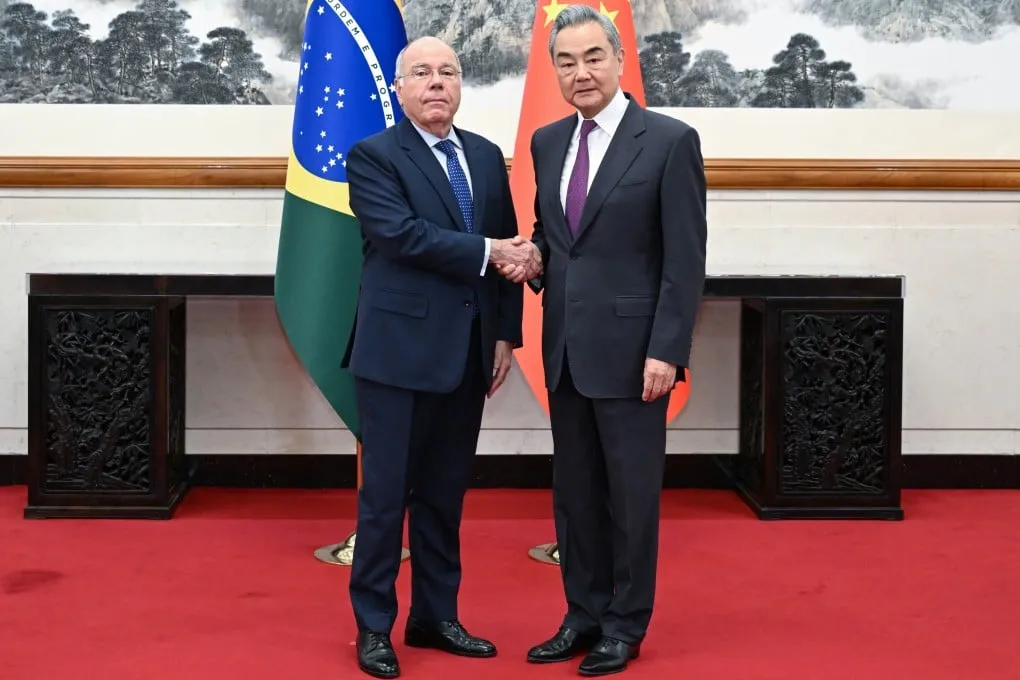
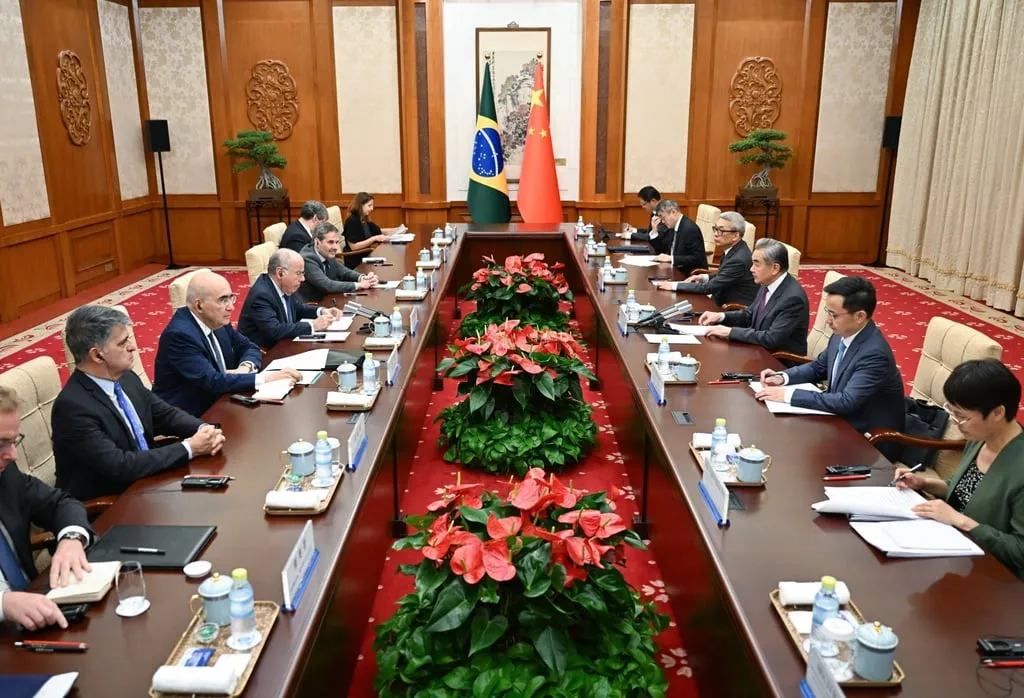
In a move that absolutely, definitely, has nothing to do with a certain superpower across the Pacific, China's top diplomat Wang Yi called on Brazil to stand shoulder-to-shoulder with Beijing to "jointly repel external challenges" - as the two countries kicked off their fifth Global Strategic Dialogue in Beijing this Monday.
Brazilian Foreign Minister Mauro Vieira made the trip to the Chinese capital over the weekend for what is shaping up to be a landmark deepening of ties between the world's second-largest economy and Latin America's biggest nation. Wang Yi, never one to undersell a diplomatic moment, declared that practical cooperation between the two countries has been "steadily enhanced" and that the two peoples have "never been so close" - according to reporting by the South China Morning Post.
What's actually going on here?
The timing is hardly subtle. With the United States ramping up tariff pressure and trade tensions rattling global markets, China has been on a charm offensive across the Global South, looking to shore up alliances and build economic resilience outside of Western-dominated frameworks. Brazil, a BRICS founding member and a commodity powerhouse, is a pretty big fish to have in your corner.
The phrase "external challenges" is doing a lot of diplomatic heavy lifting here. It is the kind of carefully calibrated language that says everything without technically saying anything - a classic Wang Yi special.
Why does this matter?
Brazil is one of China's largest trading partners, with agricultural exports like soybeans and beef forming the backbone of the relationship. A stronger strategic alignment between the two could have ripple effects on global trade flows, multilateral institutions, and the broader balancing act between East and West that developing nations are increasingly being pressured to choose sides on.
President Lula da Silva has consistently positioned Brazil as a neutral player that refuses to be boxed into a geopolitical corner - but attending a fifth round of high-level strategic dialogue in Beijing sends its own kind of message.
Whether Vieira returns home with concrete new agreements or just a very good Peking duck dinner remains to be seen, but one thing is clear: Beijing is investing seriously in the Brasilia relationship, and it wants the world to notice.