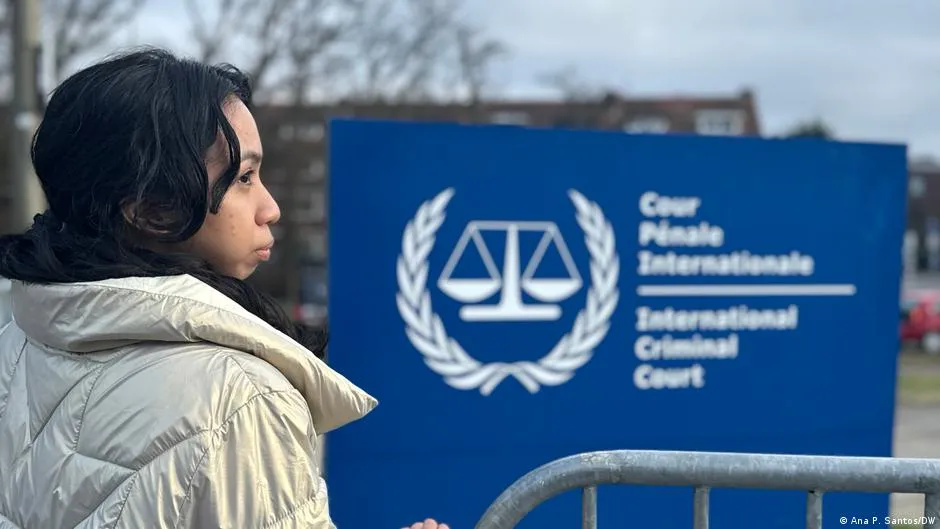
Rodrigo Duterte apparently missed the memo that you cannot just ragequit an international court and walk away clean. ICC judges have blocked the former Philippine president's release and confirmed the court has full authority to put him on trial - Manila's withdrawal from the ICC be damned.
According to a report by Deutsche Welle, the court's judges ruled that the Philippines' exit from the Rome Statute - the treaty that established the ICC - does not strip the court of its jurisdiction over crimes allegedly committed while the country was still a member. In legal terms, that means Duterte cannot use the country's 2019 withdrawal as a get-out-of-jail-free card.
So what is he actually accused of?
Duterte, who served as Philippine president from 2016 to 2022, faces charges related to his notoriously brutal war on drugs - a campaign that by various estimates resulted in thousands of killings. Human rights organizations had long been screaming into the void about extrajudicial executions carried out during that period. The ICC apparently decided to do more than just scream.
The former strongman was arrested earlier this year and transferred to ICC custody in The Hague - a twist that even his fiercest critics probably did not see coming quite so literally.
The legal logic here is actually kind of fascinating
The ICC's position is straightforward but significant: jurisdiction locks in at the moment the alleged crimes occurred, not at whatever point a country decides it no longer wants to play along with international law. Think of it like committing a traffic violation and then cancelling your driver's license - the ticket still stands.
The Philippines joined the ICC in 2011 and formally withdrew in 2019, after the court began its preliminary examination into the drug war killings. The timing of that exit was, let's say, conspicuous.
What comes next
With the release blocked and the court's jurisdiction now affirmed, the path forward leads toward a full trial. The proceedings will likely become one of the most watched cases in the ICC's history - a former head of state from a major Southeast Asian nation, tried for crimes against humanity, against the explicit wishes of his home country's current political establishment.
Duterte's legal team is expected to continue challenging the court's authority, though that particular argument just took a serious hit. Meanwhile, the families of those killed during the drug war will be watching closely from Manila.
As DW reports, the court's ruling is a significant moment not just for Duterte, but for the ICC's credibility as an institution that can hold powerful figures accountable even when their governments slam the door on their way out.