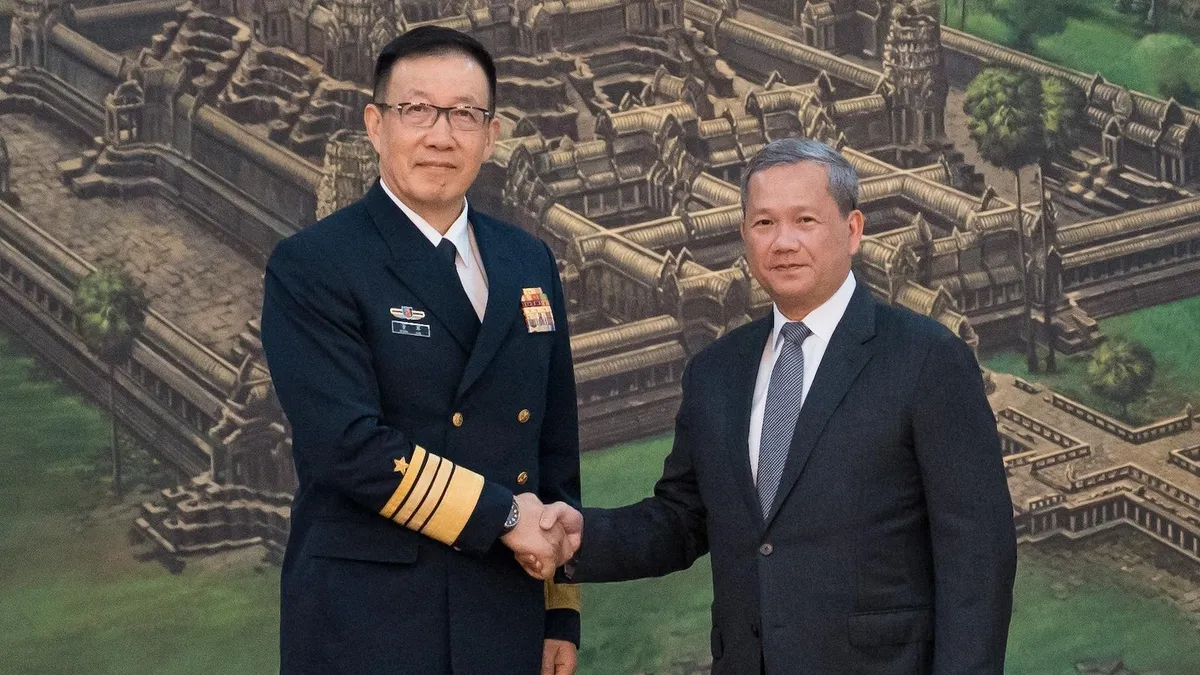
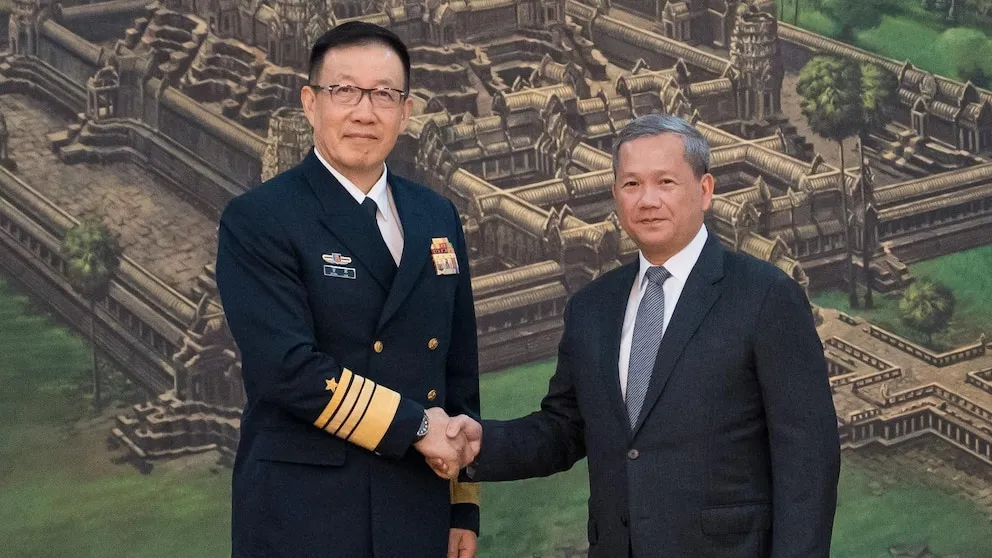
China and Cambodia convened their first-ever joint foreign and defense ministerial talks this week, establishing what officials are calling a '2+2' Strategic Dialogue Mechanism, according to reporting by ABC News.
The format, which brings together the top diplomats and defense chiefs from both countries simultaneously, is a structure more commonly associated with alliances between major powers. Its adoption by Beijing and Phnom Penh signals an effort to formalize and deepen ties across both the diplomatic and military spheres.
A framework for closer coordination
The '2+2' dialogue format allows foreign and defense ministries to coordinate policy in tandem, enabling discussions that bridge diplomatic and security concerns in a single setting. The mechanism is used by countries such as the United States and Japan, and its establishment between China and Cambodia reflects the growing strategic weight Beijing places on its relationships in Southeast Asia.
Cambodia has long been regarded as one of China's closest partners within the Association of Southeast Asian Nations (ASEAN). Critics and regional analysts have previously pointed to Cambodia's positions within ASEAN as frequently aligning with Chinese interests, particularly on issues related to the South China Sea.
Regional context
The dialogue comes at a time of heightened competition between major powers in the Indo-Pacific region. The United States and its allies have sought to strengthen security partnerships across Southeast Asia, while China has pursued deeper bilateral ties with individual ASEAN members.
Cambodia hosts the Ream Naval Base, which has been a subject of sustained attention from the United States and Western governments. Washington has raised concerns that the facility could potentially be used by the Chinese military, allegations that both Phnom Penh and Beijing have denied.
The establishment of a formalized '2+2' mechanism provides an institutional channel through which military and diplomatic cooperation can be managed at the highest levels, potentially accelerating coordination on defense matters between the two countries.
Significance for ASEAN dynamics
Analysts have noted that closer China-Cambodia security ties could have implications for ASEAN's ability to maintain consensus on sensitive regional issues. The bloc operates on a principle of unanimity, meaning individual member states hold significant influence over collective positions.
Details on specific agreements or outcomes from the inaugural dialogue were not immediately available in the source reporting. Both governments are expected to release further statements outlining the scope and future schedule of the mechanism.
The meeting underscores Beijing's continued investment in bilateral frameworks with smaller neighboring states as part of its broader regional strategy.