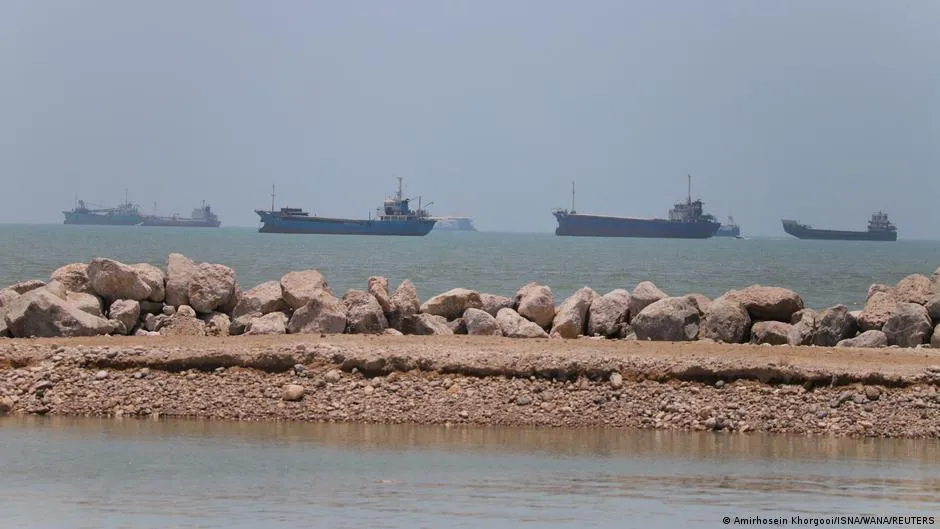
China has a plan for the Middle East: keep the oil flowing, keep the Strait of Hormuz open, and absolutely, positively do not get sucked into anyone's war. Simple, right? According to Professor Astrid Nordin, Lau Chair of Chinese International Relations at King's College London, that is essentially Beijing's entire regional playbook - and it is a trickier tightrope walk than it sounds.
Speaking on France 24, Professor Nordin described a Chinese leadership caught between two very real pressures. On one side, there is the unglamorous but existential need to secure energy supplies that keep the Chinese economy humming. On the other, there is Beijing's deep ideological resistance to what it characterises as "U.S. violent interference" in the region - a framing that shapes how China positions itself diplomatically without wanting to become the next superpower stuck in a Middle Eastern quagmire.

Influence without the invoice
The phrase "influence without entanglement" might as well be printed on Chinese foreign policy letterhead at this point. Beijing wants the diplomatic leverage that comes from being a major regional player - it brokered the surprise Saudi-Iran normalisation deal in 2023, after all - but it is deeply wary of the military and financial costs that come with being a true security guarantor.
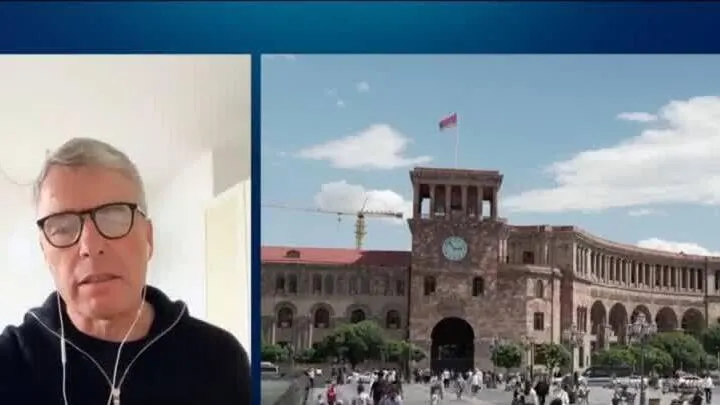
Professor Nordin argues this is a deliberate strategy rather than indecision. China is looking for stability as a product, not as a service it provides with boots on the ground. The Strait of Hormuz, through which roughly a fifth of the world's oil passes, is particularly central to Beijing's thinking. Any disruption there hits China harder than almost any other major economy.

The awkward bit
Here is where it gets complicated. Maintaining this posture of principled non-interference while also expecting regional actors to keep critical infrastructure safe is, to put it diplomatically, a stretch. The Middle East has a well-documented allergy to staying stable on anyone's schedule, and China's preferred tool - diplomacy backed by economic incentives - has obvious limits when missiles are flying.
Professor Nordin stops short of calling the strategy naive, but the implicit tension is clear: you cannot be a consequential power in a volatile region and also guarantee you will never get your hands dirty. Beijing is betting it can thread that needle indefinitely. History suggests that bet does not always pay off.
Whether China's "no drama, just crude oil" approach can survive the region's next crisis remains the central question. For now, Beijing appears content to keep talking to everyone, selling to everyone, and hoping the grown-ups in the room handle the explosions.