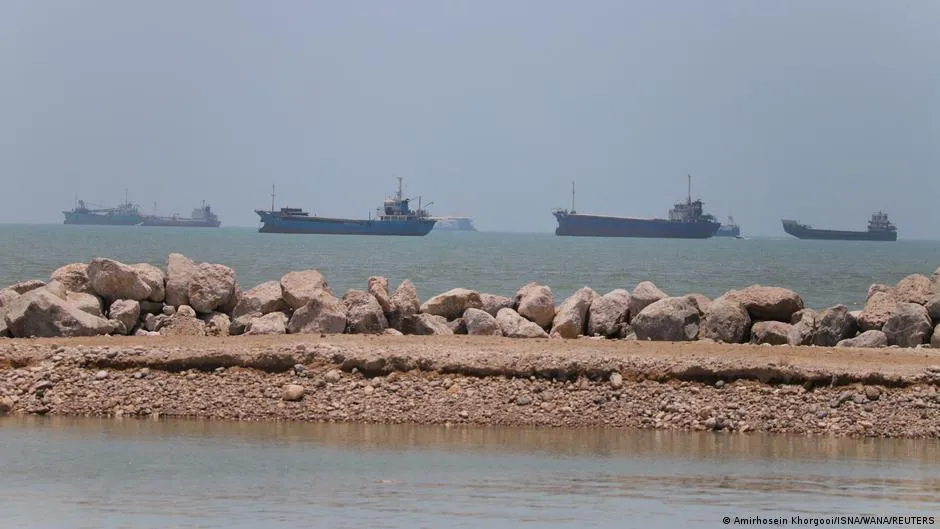
The Strait of Hormuz - the narrow chokepoint through which roughly 20% of the world's oil supply flows - has become the latest geopolitical flashpoint, with Washington and Tehran essentially disagreeing on who gets to be the bouncer at this extremely high-stakes door.
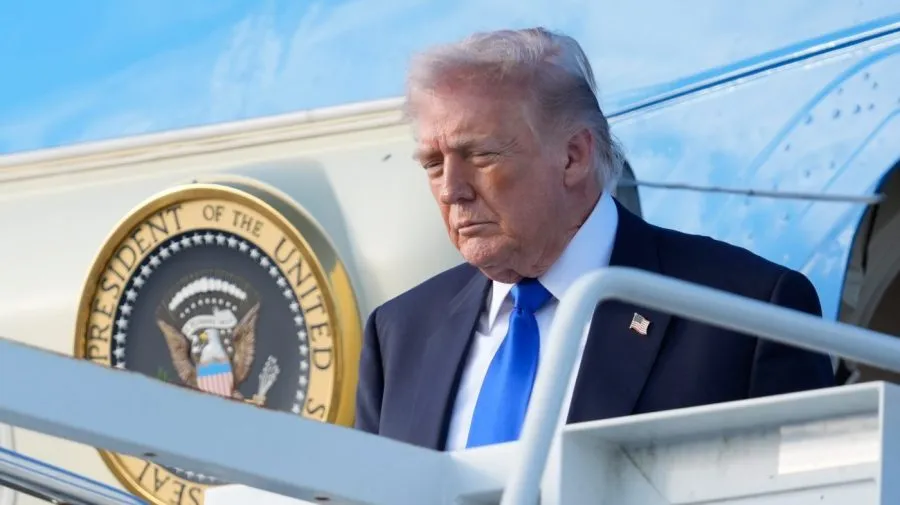
US Secretary of State Marco Rubio fired the first diplomatic shot, stating clearly that the United States will not accept any nation's claim of ownership or control over the Strait of Hormuz, according to reporting by DW. In plainer terms: nobody owns this stretch of water, full stop, and America intends to keep it that way.
Iran, apparently unbothered by this declaration, came back swinging through its Revolutionary Guard, which issued a warning that vessels should not cross the Strait without authorization. That is a pretty bold move when your neighbor just said the strait belongs to everyone - and that neighbor happens to have the world's largest naval fleet.
Why this tiny strip of water has huge geopolitical energy
To understand why both sides are squaring up over Hormuz, consider the numbers. The strait sits between Iran to the north and Oman and the UAE to the south, and is only about 33 kilometers wide at its narrowest point. Despite its modest dimensions, it is the jugular vein of global oil markets - a closure or serious disruption would send energy prices into absolute chaos almost immediately.
Iran has historically used the threat of closing Hormuz as leverage during periods of high tension with the West, particularly during sanctions disputes. The Revolutionary Guard's latest warning fits neatly into that long-running playbook.
Diplomatic temperature: extremely spicy
Rubio's statement signals that the current US administration is in no mood to entertain Iranian posturing over the waterway - a position that, while firm, is also nothing new from Washington across multiple administrations. What makes this moment particularly tense is the broader backdrop of ongoing nuclear negotiations and regional instability, which gives every statement from either side an outsized amount of weight.
For now, the world's oil tanker captains are presumably watching this exchange very closely, wondering whether their next transit through Hormuz will require a permission slip, a prayer, or both.
Sources: DW News live blog coverage of Iran-US developments regarding the Strait of Hormuz.