Russia may be exploiting China's enthusiasm for Arctic shipping routes to extract geopolitical leverage it has not actually earned, according to an analysis published by The Diplomat.
The piece centers on the Northern Sea Route (NSR), a shipping corridor along Russia's Arctic coastline that proponents argue could dramatically shorten transit times between Asia and Europe. China has shown significant interest in the route as part of its broader polar ambitions, which Beijing has framed under the concept of a "Polar Silk Road."
Questions about Moscow's intentions
The analysis argues that recent Russian legislation signals Moscow is not genuinely preparing the NSR for wide-scale international commercial use. Rather than investing in the infrastructure and legal frameworks needed to open the route to foreign shipping, Russia appears to be maintaining tight control over access and operations along the corridor.
This pattern, the analysis contends, suggests that Moscow may be benefiting from a gap between China's expectations and the route's actual development trajectory. Beijing's belief in the NSR's future potential gives Russia a source of leverage that is not grounded in concrete progress.
Strategic implications
The dynamic described has broader consequences for how observers assess the Russia-China relationship. If China is overestimating Russia's willingness or ability to deliver on Arctic cooperation, Moscow gains negotiating power in other areas of the bilateral relationship without having to make meaningful concessions on the NSR itself.
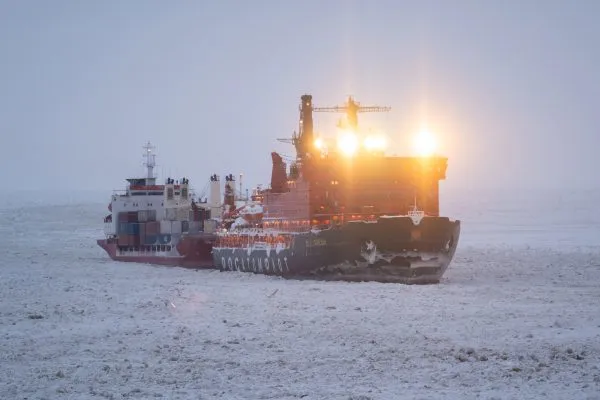
Russia has historically guarded the Northern Sea Route carefully, requiring foreign vessels to use Russian icebreaker escorts and to seek advance permission for transit. Critics have long noted that these conditions limit the route's appeal as a genuinely international shipping lane.
Arctic shipping has attracted global attention in part because of climate change. Melting sea ice is gradually making the route more navigable for longer portions of the year, raising its long-term commercial profile. However, infrastructure along the Russian Arctic coast remains underdeveloped, and the route still carries substantial operational risks compared to established alternatives such as the Suez Canal.
A leveraged expectation
The Diplomat's analysis frames the situation as one in which anticipation itself becomes a resource. By allowing China - and other interested parties - to maintain optimistic projections about the NSR's future, Russia preserves influence without bearing the cost of actually developing the corridor into a functional international route.
The piece does not suggest a deliberate Russian deception campaign, but rather that Moscow has little incentive to correct inflated assumptions when those assumptions serve its strategic interests.
The analysis adds nuance to a relationship that is frequently described in Western commentary as an unambiguous partnership, suggesting the two countries' Arctic interests may be less aligned than they publicly appear.