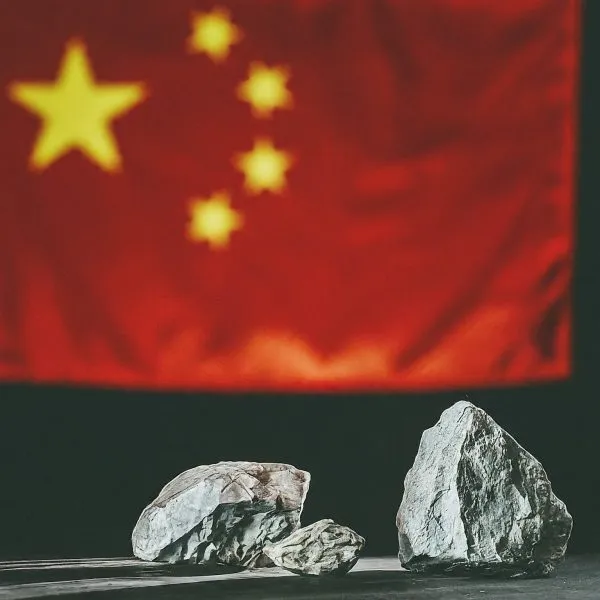
Every time trade tensions flare up between China and the West, Beijing pulls out what pundits dramatically call the "rare earth card" - a theoretical nuclear option where China chokes off the world's supply of the exotic minerals that make modern tech, electric vehicles, and military hardware actually work. Scary stuff, right? Well, maybe not so much, according to an analysis published by The Diplomat.
The card that loses value every time you play it
Here's the core problem with any country trying to weaponize a resource: the moment you threaten to cut off supply, you give every competitor and customer nation an extremely loud wake-up call to find alternatives. China currently dominates rare earth mining and processing by a wide margin, but that dominance is less a permanent geopolitical superpower and more a temporary head start that other nations are now sprinting to close.
The Diplomat's analysis argues that China's rare earth advantage does not translate into strategic supremacy - a distinction that sounds subtle but is actually enormous. Having a monopoly and being able to use that monopoly as a lasting lever are two very different things.
The diversification problem (for China, not us)
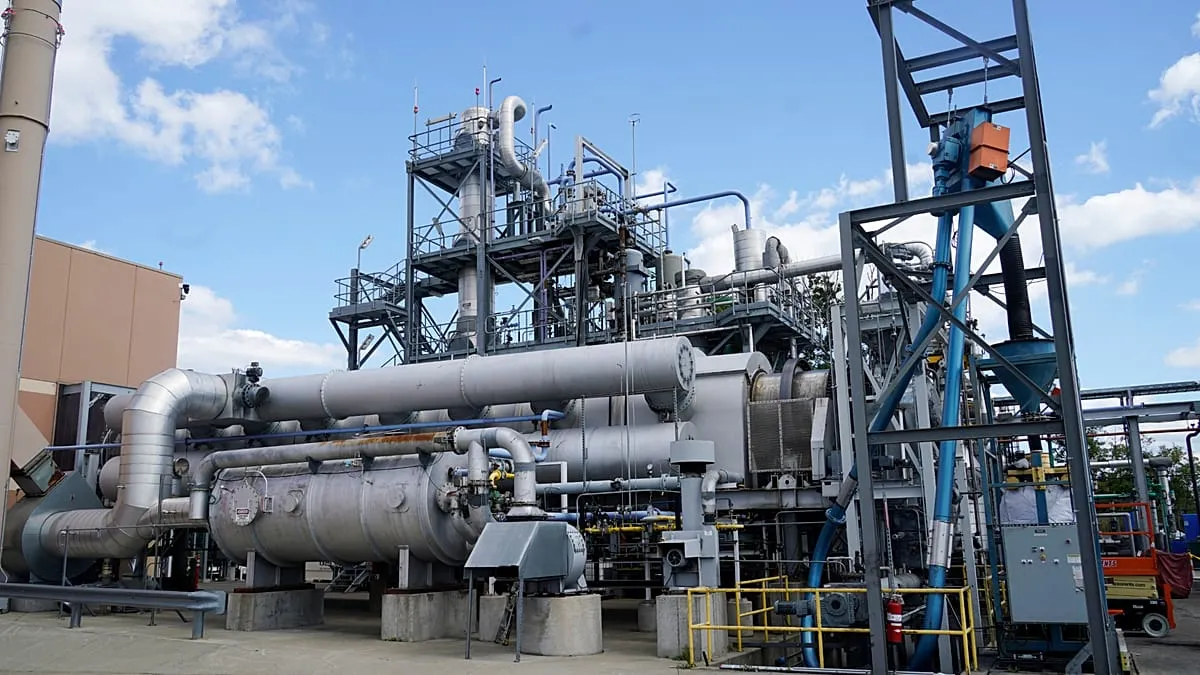
Since China made noise about restricting rare earth exports during previous trade spats, the response from the US, Europe, Australia, and others has been predictable and rapid: pour money into domestic mining operations, recycling programs, and processing facilities. Countries like Australia and Canada are sitting on substantial rare earth deposits that were simply not economical to develop when Chinese supply was cheap and plentiful. Threaten that supply? Suddenly those deposits look very attractive.
There's also the substitution angle. Materials science researchers are actively working on reducing or eliminating rare earth dependencies in key technologies. Every export restriction China imposes effectively funds its competitors' research budgets.
The boomerang effect
China's rare earth sector is not a charity - it's an industry that employs people and generates export revenue. Cutting off customers hurts the seller too, particularly when those customers are actively building the infrastructure to never need you again. The Diplomat's piece points out that this dynamic fundamentally limits how aggressively Beijing can wield the rare earth threat without inflicting serious self-damage.
None of this means rare earths are irrelevant to geopolitics - the supply chain vulnerabilities are real and the transition away from Chinese dominance will take years. But the idea that China holds some permanent, unchallengeable trump card overstates the situation considerably.
The rare earth card, it turns out, might be less a winning hand and more a card that announces to the entire table exactly what you're holding.