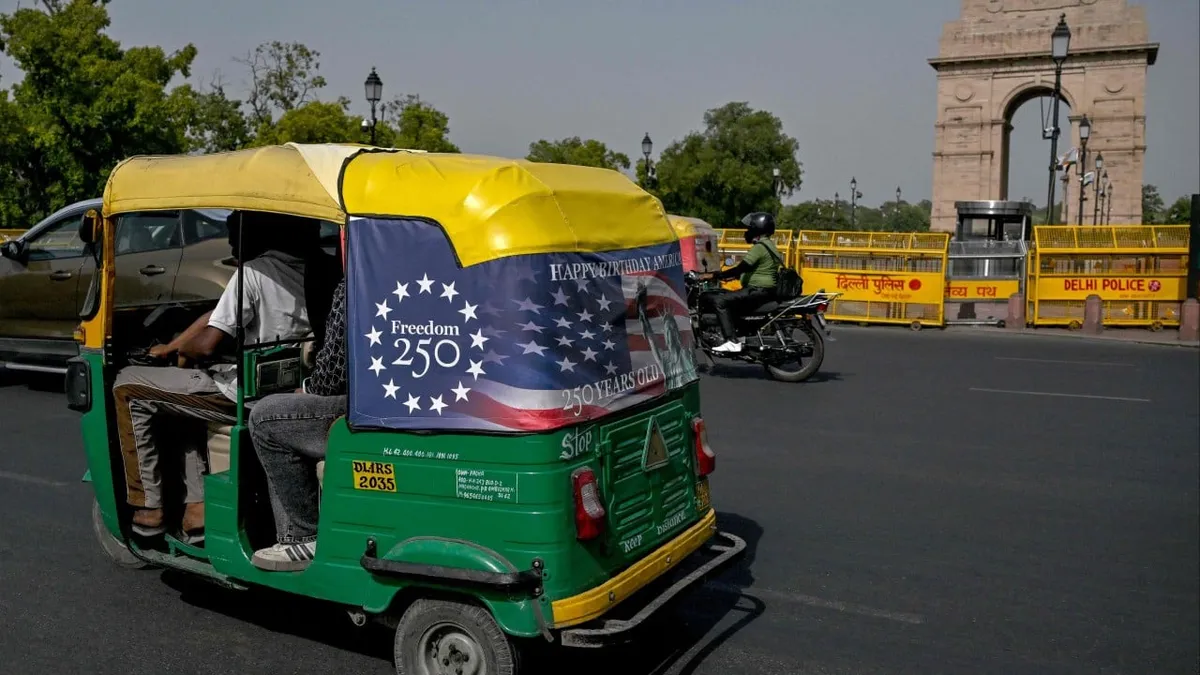
If you thought last week's fuel price hike in India was a one-time thing, well - surprise! India's state-run refiners have now raised petrol and diesel prices for the third time in just eight days, because the global energy market is apparently determined to ruin everyone's weekend.
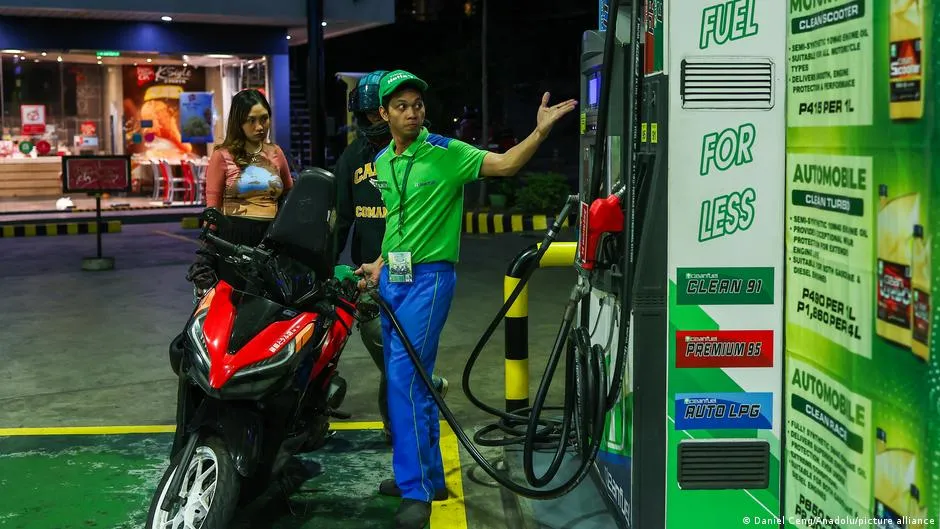
According to the South China Morning Post, petrol in New Delhi now sits at 99.51 rupees per litre (roughly US$1.04), while diesel clocks in at 92.49 rupees per litre. Each individual hike has been modest - less than one rupee, or under one percent - but three of them in under a fortnight starts to add up in ways that Indian commuters are very much noticing.
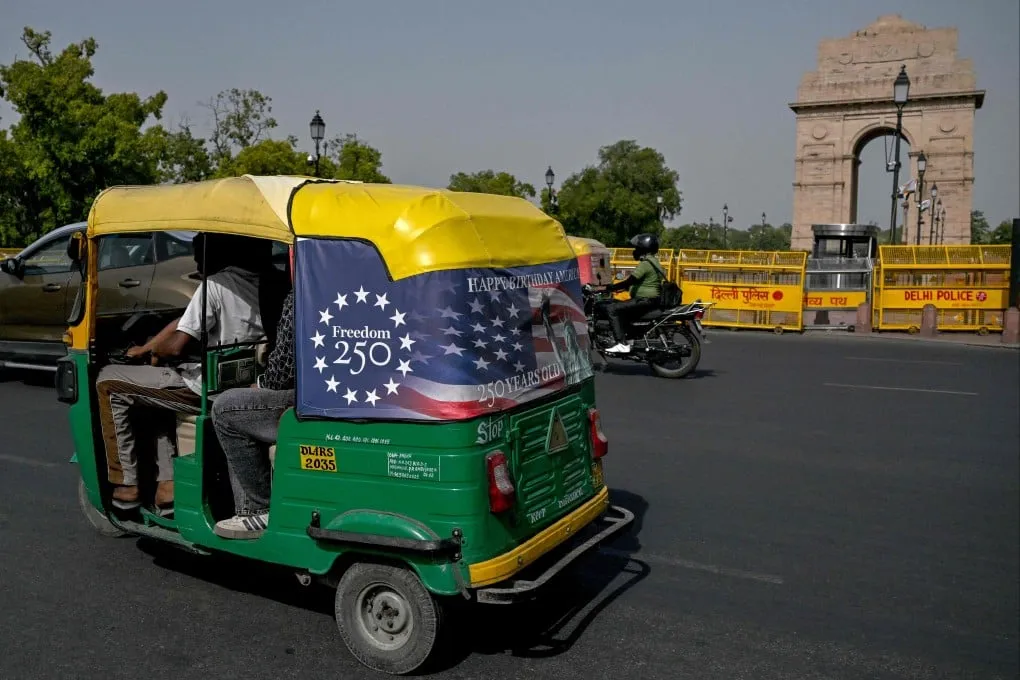
Why is this happening?
The short answer: state refiners are bleeding money. India's largest fuel retailer, Indian Oil Corporation, along with smaller peers Bharat Petroleum and Hindustan Petroleum, sell fuel at state-regulated prices that don't always keep pace with global crude costs. When global oil prices spike, the refiners absorb the losses - until they can't anymore, and then it's hike time.
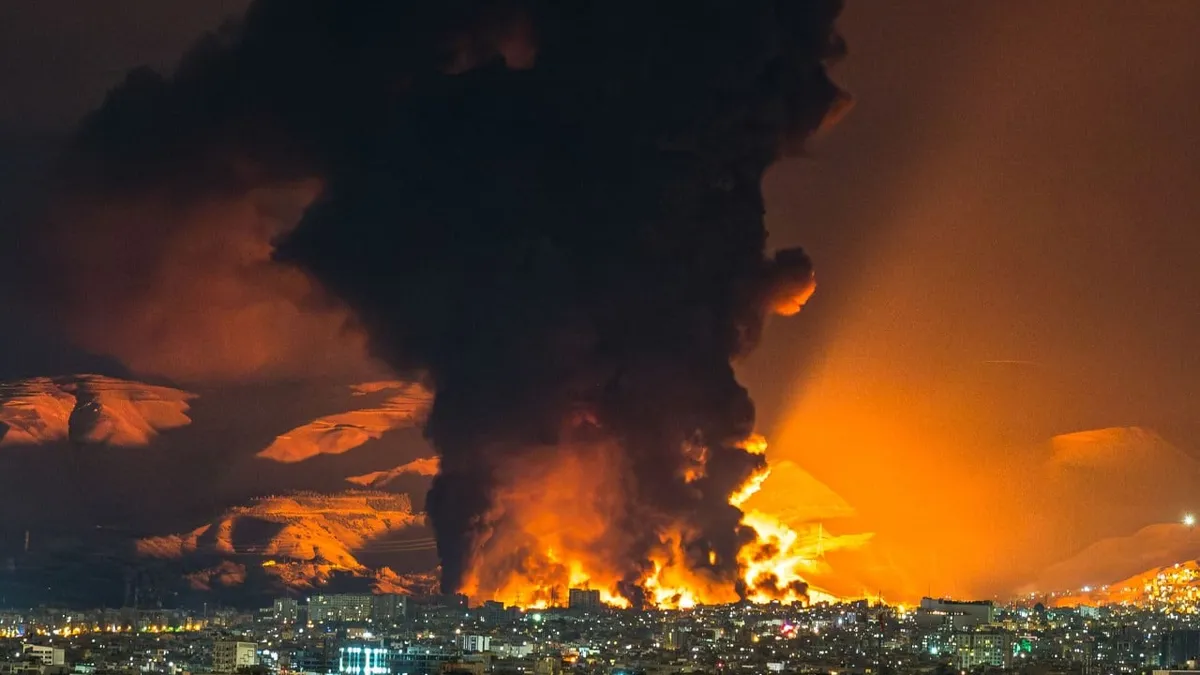
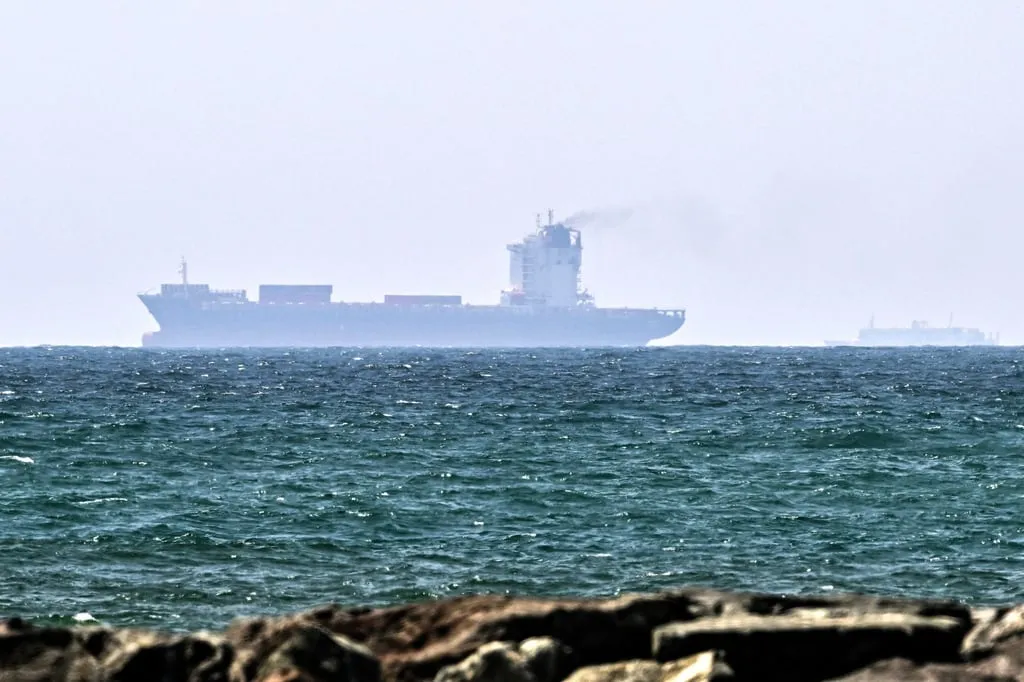
The backdrop here matters a lot. The ongoing tensions surrounding the US-Iran ceasefire negotiations have kept global oil markets jittery and volatile. Any hint that the Middle East is about to have another bad day sends crude prices lurching, and India - which imports the vast majority of its oil - feels that pain almost immediately at the pump.
The price hikes are also partly designed to cool a spike in demand. When fuel is cheap (or at least cheaper), people and businesses consume more of it. Raising prices, even marginally, is a classic demand-suppression tool that economists love and drivers hate.
A rupee here, a rupee there
It's worth noting that fuel prices across India are not uniform - local and state taxes mean your mileage will literally vary depending on where you fill up. So while New Delhi residents are staring down 99.51 rupees per litre for petrol, other states may be paying noticeably more or less.
Whether a fourth hike is coming within the next week is anyone's guess, and likely depends on whether the geopolitical situation around Iran decides to behave itself - which, historically speaking, is not a safe bet.
For now, Indian drivers are doing the only thing they can: grimacing, swiping their cards, and briefly reconsidering the economics of public transit.